Domina Conceptos Médicos

Estudia para la escuela de medicina y tus examenes con Lecturio.

Onfalocele

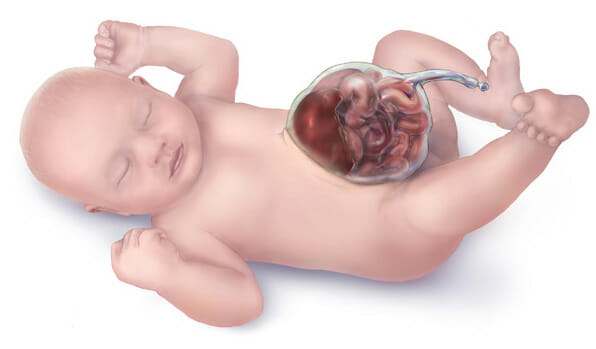
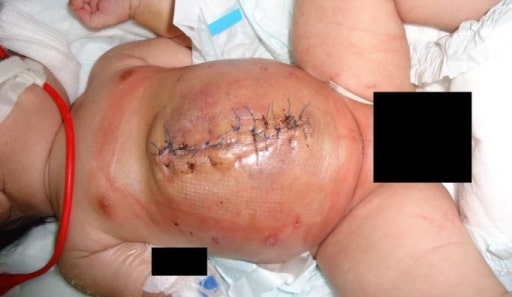
El onfalocele es un defecto congénito de la pared abdominal anterior en EN Erythema nodosum is an immune-mediated panniculitis (inflammation of the subcutaneous fat) caused by a type IV (delayed-type) hypersensitivity reaction. It commonly manifests in young women as tender, erythematous nodules on the shins. Erythema Nodosum el que los LOS Neisseria intestinos están cubiertos por el peritoneo y las membranas amnióticas. Esta enfermedad se debe a que el intestino medio no regresa a la cavidad abdominal antes de las 10 semanas de gestación. El onfalocele se asocia con frecuencia a síndromes genéticos y anomalías cromosómicas. El diagnóstico prenatal puede realizarse mediante ultrasonido prenatal, elevación de la ⍺ fetoproteína en EN Erythema nodosum is an immune-mediated panniculitis (inflammation of the subcutaneous fat) caused by a type IV (delayed-type) hypersensitivity reaction. It commonly manifests in young women as tender, erythematous nodules on the shins. Erythema Nodosum la sangre materna y análisis cromosómico fetal. El tratamiento incluye la estabilización hemodinámica inmediata seguida de una reparación quirúrgica primaria o por etapas.

Last updated: Jan 7, 2025
Editorial responsibility: Stanley Oiseth, Lindsay Jones, Evelin Maza

Descripción General

Definición

  • Defecto congénito de la pared abdominal anterior situado en EN Erythema nodosum is an immune-mediated panniculitis (inflammation of the subcutaneous fat) caused by a type IV (delayed-type) hypersensitivity reaction. It commonly manifests in young women as tender, erythematous nodules on the shins. Erythema Nodosum la base del ombligo en EN Erythema nodosum is an immune-mediated panniculitis (inflammation of the subcutaneous fat) caused by a type IV (delayed-type) hypersensitivity reaction. It commonly manifests in young women as tender, erythematous nodules on the shins. Erythema Nodosum el que el intestino y otras vísceras abdominales solo están cubiertos por el peritoneo y las membranas amnióticas.
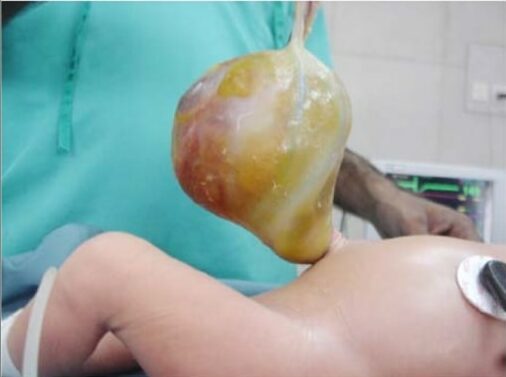
  • Los LOS Neisseria onfaloceles gigantes miden ≥ 4 cm, contienen el hígado y están asociados a cavidades abdominales y torácicas pequeñas no desarrolladas.
Onfalocele que contiene un quiste de conducto onfalomesentérico

Gran onfalocele que contiene un quiste del conducto onfalomesentérico

Imagen: “Large omphalocele containing OMD cyst” por Yousuf Aziz Khan, MBBS, FCPS (Paediatric Surgeon), Department of Paediatric Surgery, National Institute of Child Health, Rafiquee Shaheed Road, Karachi – 75510, Sind, Pakistan. Licencia: CC BY 3.0
Embriología

  • Desarrollo del sistema gastrointestinal a partir de 3 capas germinales:
    • Mesodermo: tejido conectivo (pared del tubo intestinal, vasos sanguíneos, músculo liso)
    • Endodermo: revestimiento epitelial
    • Ectodermo: epidermis Epidermis The external, nonvascular layer of the skin. It is made up, from within outward, of five layers of epithelium: (1) basal layer (stratum basale epidermidis); (2) spinous layer (stratum spinosum epidermidis); (3) granular layer (stratum granulosum epidermidis); (4) clear layer (stratum lucidum epidermidis); and (5) horny layer (stratum corneum epidermidis). Skin: Structure and Functions y cresta neural (neuronas del tracto gastrointestinal)
  • Divisiones del tracto gastrointestinal:
    • Intestino anterior: cavidad oral hasta la primera parte del duodeno
    • Intestino medio: de la mitad del duodeno a los LOS Neisseria 1ros ⅔ del colon Colon The large intestines constitute the last portion of the digestive system. The large intestine consists of the cecum, appendix, colon (with ascending, transverse, descending, and sigmoid segments), rectum, and anal canal. The primary function of the colon is to remove water and compact the stool prior to expulsion from the body via the rectum and anal canal. Colon, Cecum, and Appendix: Anatomy transverso
    • Intestino posterior: último ⅓ del colon Colon The large intestines constitute the last portion of the digestive system. The large intestine consists of the cecum, appendix, colon (with ascending, transverse, descending, and sigmoid segments), rectum, and anal canal. The primary function of the colon is to remove water and compact the stool prior to expulsion from the body via the rectum and anal canal. Colon, Cecum, and Appendix: Anatomy transverso hasta la parte superior del ano
  • 6ta semana de gestación:
    • Rápido crecimiento del tracto gastrointestinal
    • El intestino medio se hernia Hernia Protrusion of tissue, structure, or part of an organ through the bone, muscular tissue, or the membrane by which it is normally contained. Hernia may involve tissues such as the abdominal wall or the respiratory diaphragm. Hernias may be internal, external, congenital, or acquired. Abdominal Hernias a través del anillo umbilical, desarrollándose completamente fuera de la cavidad peritoneal.
  • 10ma semana de gestación:
    • La cavidad abdominal es lo suficientemente grande para el desarrollo del intestino medio.
    • El intestino medio completa la rotación y vuelve a la cavidad abdominal.
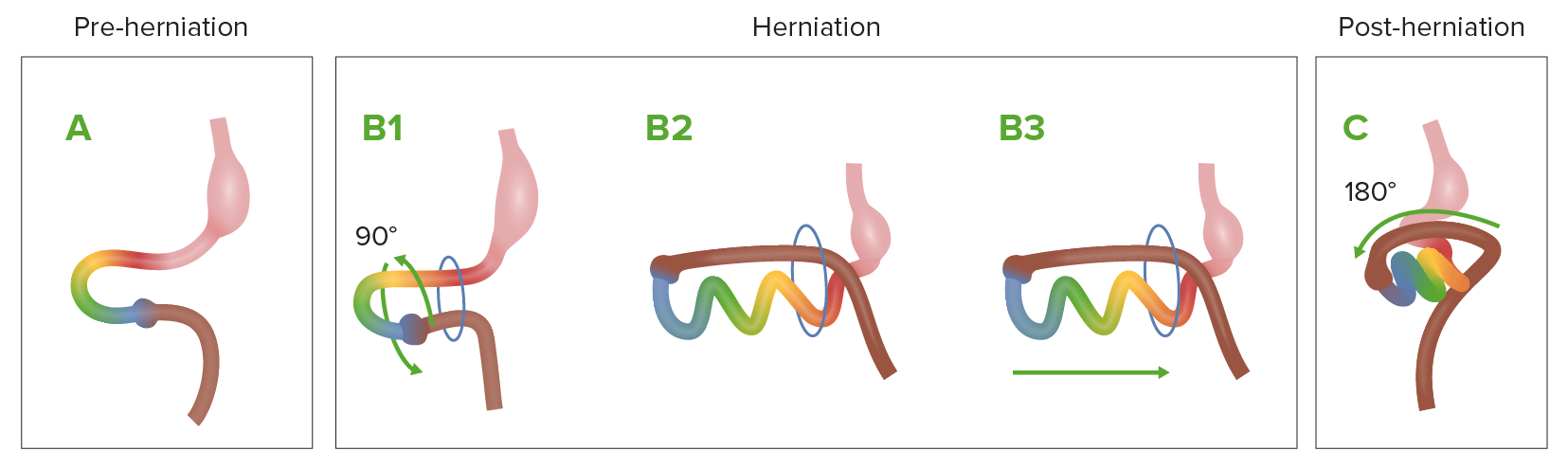
Proceso normal de herniación durante el desarrollo embriológico

Diagrama que muestra el proceso normal de rotación y herniación intestinal durante el desarrollo embriológico
A: El intestino medio (bucle multicolor) antes de la herniación
B1–B3: Al crecer rápidamente, el intestino medio se hernia a través del anillo umbilical y comienza a rotar.
C: El intestino medio vuelve a la cavidad abdominal.

Imagen por Lecturio.

Epidemiología

  • Prevalencia: 2.5 de cada 10 000 nacimientos
  • Niños > niñas
  • Se observa con más frecuencia en EN Erythema nodosum is an immune-mediated panniculitis (inflammation of the subcutaneous fat) caused by a type IV (delayed-type) hypersensitivity reaction. It commonly manifests in young women as tender, erythematous nodules on the shins. Erythema Nodosum madres jóvenes o mayores (<20 o >40 años)
  • Mayor prevalencia en EN Erythema nodosum is an immune-mediated panniculitis (inflammation of the subcutaneous fat) caused by a type IV (delayed-type) hypersensitivity reaction. It commonly manifests in young women as tender, erythematous nodules on the shins. Erythema Nodosum pacientes negros
  • Entre el 60%70% presentan anomalías asociadas, incluidas las cardíacas y cromosómicas.
  • Puede aparecer como parte de síndromes:
    • Grupo de anomalías de Beckwith-Weidemann (macroglosia, macrosomía, hipoglucemia, visceromegalia y onfalocele)
    • Pentalogía de Cantrell (esternón hendido, ectopia cordis, hernia Hernia Protrusion of tissue, structure, or part of an organ through the bone, muscular tissue, or the membrane by which it is normally contained. Hernia may involve tissues such as the abdominal wall or the respiratory diaphragm. Hernias may be internal, external, congenital, or acquired. Abdominal Hernias diafragmática de la línea media anterior, anomalías cardíacas, onfalocele epigástrico)
    • Trisomía 13, 18 o 21
    • Extrofia cloacal (fisura vesicointestinal)
  • Puede asociarse a la prematuridad, al AL Amyloidosis retraso del crecimiento intrauterino
  • A menudo se observa de manera familiar

Fisiopatología

La fisiopatología no se ha HA Hemolytic anemia (HA) is the term given to a large group of anemias that are caused by the premature destruction/hemolysis of circulating red blood cells (RBCs). Hemolysis can occur within (intravascular hemolysis) or outside the blood vessels (extravascular hemolysis). Hemolytic Anemia entendido completamente; hay dos teorías principales:
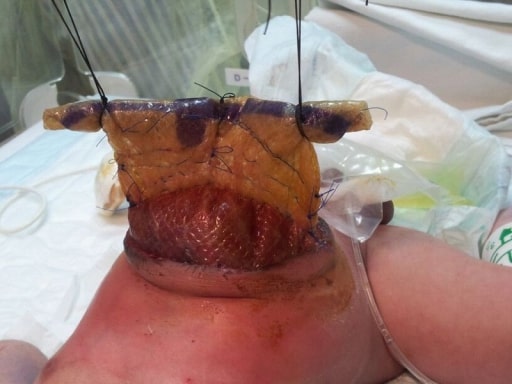
  • Si el intestino medio no regresa a la cavidad abdominal antes de las 10 semanas de gestación, se produce un onfalocele
  • Falta de sellado de los LOS Neisseria pliegues abdominales, dejando un defecto en EN Erythema nodosum is an immune-mediated panniculitis (inflammation of the subcutaneous fat) caused by a type IV (delayed-type) hypersensitivity reaction. It commonly manifests in young women as tender, erythematous nodules on the shins. Erythema Nodosum la línea media y órganos abdominales externalizados

Presentación Clínica

  • Hallazgos en EN Erythema nodosum is an immune-mediated panniculitis (inflammation of the subcutaneous fat) caused by a type IV (delayed-type) hypersensitivity reaction. It commonly manifests in young women as tender, erythematous nodules on the shins. Erythema Nodosum los LOS Neisseria recién nacidos:
    • Defecto que compromete todo el espesor de la pared ventral abdominal
    • Hernia Hernia Protrusion of tissue, structure, or part of an organ through the bone, muscular tissue, or the membrane by which it is normally contained. Hernia may involve tissues such as the abdominal wall or the respiratory diaphragm. Hernias may be internal, external, congenital, or acquired. Abdominal Hernias de los LOS Neisseria intestinos a través del anillo umbilical, también puede contener órganos abdominales
    • Cubierto por un saco transparente compuesto por membrana amniótica y peritoneo
    • El tamaño suele variar de 4–12 cm
    • Ocurren en EN Erythema nodosum is an immune-mediated panniculitis (inflammation of the subcutaneous fat) caused by a type IV (delayed-type) hypersensitivity reaction. It commonly manifests in young women as tender, erythematous nodules on the shins. Erythema Nodosum la línea media, en EN Erythema nodosum is an immune-mediated panniculitis (inflammation of the subcutaneous fat) caused by a type IV (delayed-type) hypersensitivity reaction. It commonly manifests in young women as tender, erythematous nodules on the shins. Erythema Nodosum el epigastrio o en EN Erythema nodosum is an immune-mediated panniculitis (inflammation of the subcutaneous fat) caused by a type IV (delayed-type) hypersensitivity reaction. It commonly manifests in young women as tender, erythematous nodules on the shins. Erythema Nodosum el hipogastrio
  • El parto puede ser un reto y requiere un especialista.
    • La ruptura del saco del onfalocele puede ocurrir en EN Erythema nodosum is an immune-mediated panniculitis (inflammation of the subcutaneous fat) caused by a type IV (delayed-type) hypersensitivity reaction. It commonly manifests in young women as tender, erythematous nodules on the shins. Erythema Nodosum ⅕ de los LOS Neisseria casos.
    • El pinzamiento del cordón umbilical debe hacerse con cuidado para evitar dañar las estructuras intestinales.

Diagnóstico

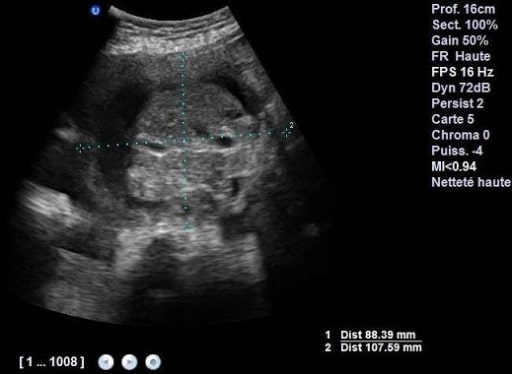
La mayoría de los LOS Neisseria casos de onfalocele (90%) se diagnostican de forma prenatal:
  • Ultrasonido:
    • Parte del tamizaje prenatal rutinario
    • Puede mostrar otras anomalías asociadas
  • Niveles de ⍺-fetoproteína en EN Erythema nodosum is an immune-mediated panniculitis (inflammation of the subcutaneous fat) caused by a type IV (delayed-type) hypersensitivity reaction. It commonly manifests in young women as tender, erythematous nodules on the shins. Erythema Nodosum el suero materno: Los LOS Neisseria niveles elevados son signos inespecíficos de onfalocele.
  • Si se detecta de forma prenatal, se debe ofrecer a los LOS Neisseria padres:
    • Pruebas de detección del síndrome de Beckwith-Wiedemann
    • Análisis por microarreglos cromosómicos para evaluar la presencia de aneuploidía y por trisomías
    • Ecocardiograma prenatal

Tratamiento

Tratamiento perinatal

  • Atención a los LOS Neisseria signos vitales y evaluar la dificultad respiratoria (debido a la hipoplasia pulmonar).
  • Evitar la presión y la reducción manual.
  • Cubrir el onfalocele con un apósito no húmedo.
  • Tamizaje de hipoglucemia, asociada al AL Amyloidosis síndrome de Beckwith-Weidemann.
  • Descompresión utilizando una sonda nasogástrica.
  • Administrar antibióticos profilácticos de amplio espectro en EN Erythema nodosum is an immune-mediated panniculitis (inflammation of the subcutaneous fat) caused by a type IV (delayed-type) hypersensitivity reaction. It commonly manifests in young women as tender, erythematous nodules on the shins. Erythema Nodosum caso de rotura.
  • Realizar un ecocardiograma antes de cualquier procedimiento quirúrgico.

Cirugía

  • Defectos de tamaño pequeño a mediano con pulmón normal: reparación primaria precoz (dentro de las 24 horas) (resección de la membrana y cierre del defecto)
  • Onfalocele gigante: procedimiento en EN Erythema nodosum is an immune-mediated panniculitis (inflammation of the subcutaneous fat) caused by a type IV (delayed-type) hypersensitivity reaction. It commonly manifests in young women as tender, erythematous nodules on the shins. Erythema Nodosum varias etapas para permitir la acomodación intraabdominal y la maduración pulmonar
  • La alimentación enteral puede establecerse muy pronto después del cierre.

Diagnóstico Diferencial

  • Gastrosquisis: defecto en EN Erythema nodosum is an immune-mediated panniculitis (inflammation of the subcutaneous fat) caused by a type IV (delayed-type) hypersensitivity reaction. It commonly manifests in young women as tender, erythematous nodules on the shins. Erythema Nodosum el espesor total de la pared abdominal anterior a través del cual el intestino y/o otras vísceras abdominales protruyen libremente. Ninguna membrana o saco cubre el intestino. El diagnóstico se realiza mediante ultrasonido prenatal y el tratamiento es quirúrgico después del nacimiento. La gastrosquisis no suele estar asociada a otras anomalías congénitas.
  • Pentalogía de Cantrell: un raro síndrome que consiste en EN Erythema nodosum is an immune-mediated panniculitis (inflammation of the subcutaneous fat) caused by a type IV (delayed-type) hypersensitivity reaction. It commonly manifests in young women as tender, erythematous nodules on the shins. Erythema Nodosum múltiples anomalías congénitas, incluyendo un defecto del esternón inferior, un defecto del diafragma anterior, un defecto del pericardio, un defecto de la pared abdominal y anomalías cardíacas congénitas. El diagnóstico se realiza de forma prenatal mediante ultrasonido. El tratamiento requiere una atención médica y quirúrgica compleja.
  • Complejo de extrofia vesical-epispadias: un espectro de defectos congénitos: epispadias Epispadias A birth defect due to malformation of the urethra in which the urethral opening is above its normal location. In the male, the malformed urethra generally opens on the top or the side of the penis, but the urethra can also be open the entire length of the penis. In the female, the malformed urethral opening is often between the clitoris and the labia, or in the abdomen. Penile Anomalies and Conditions (cierre fallido de la uretra), extrofia vesical y extrofia cloacal (el defecto más grave, que incluye atresia Atresia Hypoplastic Left Heart Syndrome (HLHS) anal y onfalocele). El tratamiento es quirúrgico, con los LOS Neisseria objetivos de cerrar el defecto de la pared abdominal, lograr la continencia urinaria y reconstruir el área genitourinaria.
  • Hernia Hernia Protrusion of tissue, structure, or part of an organ through the bone, muscular tissue, or the membrane by which it is normally contained. Hernia may involve tissues such as the abdominal wall or the respiratory diaphragm. Hernias may be internal, external, congenital, or acquired. Abdominal Hernias umbilical: se presenta como una protuberancia en EN Erythema nodosum is an immune-mediated panniculitis (inflammation of the subcutaneous fat) caused by a type IV (delayed-type) hypersensitivity reaction. It commonly manifests in young women as tender, erythematous nodules on the shins. Erythema Nodosum la zona umbilical del neonato. Hay un cierre incompleto de la fascia Fascia Layers of connective tissue of variable thickness. The superficial fascia is found immediately below the skin; the deep fascia invests muscles, nerves, and other organs. Cellulitis del anillo umbilical, pero con la piel intacta que cubre el anillo. Es importante determinar la reducibilidad, ya que la hernia Hernia Protrusion of tissue, structure, or part of an organ through the bone, muscular tissue, or the membrane by which it is normally contained. Hernia may involve tissues such as the abdominal wall or the respiratory diaphragm. Hernias may be internal, external, congenital, or acquired. Abdominal Hernias encarcelada es una complicación. La cirugía está indicada para los LOS Neisseria defectos > 1,5 cm en EN Erythema nodosum is an immune-mediated panniculitis (inflammation of the subcutaneous fat) caused by a type IV (delayed-type) hypersensitivity reaction. It commonly manifests in young women as tender, erythematous nodules on the shins. Erythema Nodosum aquellos > 2 años de edad y para las complicaciones como la estrangulación, la incarceración o la ruptura.

Referencias

  1. Stallings EB et al. (2019). Population-based birth defects data in the United States, 20122016: A focus on abdominal wall defects. Birth Defects Res. doi: 10.1002/bdr2.1607
  2. Marshall J et al. (2015). National Birth Defects Prevention Network. Prevalence, Correlates, and Outcomes of Omphalocele in the United States, 1995-2005. doi: 10.1097/AOG.0000000000000920
  3. Bhatia, A., Shatanof, R., Bordoni, B. (2023). Embryology, Gastrointestinal. StatPearls. Retrieved January 7, 2025, from https://www.ncbi.nlm.nih.gov/books/NBK537172/ 
  4. Roux N et al. (2018). Early surgical management for giant omphalocele: Results and prognostic factors. J Pediatr Surg. doi: 10.1016/j.jpedsurg.2018.04.036
  5. Glasser, J., Windle, M., Carter, B. (2024). Pediatric Omphalocele and Gastroschisis (Abdominal wall defects). Medscape. Retrieved January 7, 2025, from https://emedicine.medscape.com/article/975583-overview#a5
  6. Nembhard, W. N., Bergman, J. E. H., & Politis, M. D., et al. (2020). A multi-country study of prevalence and early childhood mortality among children with omphalocele. Birth Defects Research, 112(20), 1787–1801. https://doi.org/10.1002/bdr2.1822

¡Crea tu cuenta gratis o inicia una sesión para seguir leyendo!

Regístrate ahora y obtén acceso gratuito a Lecturio con páginas de concepto, videos médicos y cuestionarios para tu educación médica.

User Reviews

Que tengas una sesión de estudio alegre y navideña 🎁 Ahorra 50% en todos los planes >>

Details