Domina Conceptos Médicos

Estudia para la escuela de medicina y tus examenes con Lecturio.

Estreñimiento Pediátrico

El estreñimiento es un motivo de consulta común en EN Erythema nodosum is an immune-mediated panniculitis (inflammation of the subcutaneous fat) caused by a type IV (delayed-type) hypersensitivity reaction. It commonly manifests in young women as tender, erythematous nodules on the shins. Erythema Nodosum los LOS Neisseria niños, que está relativamente definido para cada grupo etario en EN Erythema nodosum is an immune-mediated panniculitis (inflammation of the subcutaneous fat) caused by a type IV (delayed-type) hypersensitivity reaction. It commonly manifests in young women as tender, erythematous nodules on the shins. Erythema Nodosum función de la frecuencia y la dificultad de la defecación y la consistencia de las heces. La mayoría de los LOS Neisseria casos de estreñimiento son funcionales o no orgánicos. La presentación clínica puede variar, desde una evacuación insuficiente observada por los LOS Neisseria padres, pasando por quejas de dolor Dolor Inflammation abdominal, hasta la incontinencia secundaria. A menudo, se necesita una combinación de tratamiento no farmacológico y farmacológico para evacuar el contenido intestinal, eliminar el dolor Dolor Inflammation al AL Amyloidosis defecar y mejorar los LOS Neisseria hábitos intestinales.

Last updated: Dec 15, 2025

Editorial responsibility: Stanley Oiseth, Lindsay Jones, Evelin Maza

Descripción General

Definición

  • El estreñimiento es un término relativo y depende de una serie de factores, como la frecuencia, la consistencia y la dificultad para evacuar las heces:
    • Unas heces duras (consistencia) que se evacúan cada 3 días (frecuencia) con “dificultad” requieren un tratamiento.
    • Unas heces blandas que se evacúan sin dificultad cada 2–3 días no son estreñimiento.
  • Los LOS Neisseria criterios de Roma IV para el estreñimiento funcional pediátrico reemplazaron al AL Amyloidosis PACCT en EN Erythema nodosum is an immune-mediated panniculitis (inflammation of the subcutaneous fat) caused by a type IV (delayed-type) hypersensitivity reaction. It commonly manifests in young women as tender, erythematous nodules on the shins. Erythema Nodosum su uso rutinario.
Tabla: Criterios de estreñimiento funcional pediátrico de Roma IV
Lactantes y niños pequeños (≤4 años de edad de desarrollo) Niños (>4 años de edad de desarrollo)
Al AL Amyloidosis menos 2 de los LOS Neisseria siguientes hallazgos durante más de 1 mes: Al AL Amyloidosis menos 2 de los LOS Neisseria siguientes hallazgos durante más de 1 mes, que se presenten al AL Amyloidosis menos 1 vez por semana:
  • 2 o menos evacuaciones por semana
  • Antecedentes de retención fecal
  • Antecedentes de evacuaciones dolorosas o difíciles
  • Masa fecal grande palpable en EN Erythema nodosum is an immune-mediated panniculitis (inflammation of the subcutaneous fat) caused by a type IV (delayed-type) hypersensitivity reaction. It commonly manifests in young women as tender, erythematous nodules on the shins. Erythema Nodosum el recto
  • 2 o menos evacuaciones en EN Erythema nodosum is an immune-mediated panniculitis (inflammation of the subcutaneous fat) caused by a type IV (delayed-type) hypersensitivity reaction. It commonly manifests in young women as tender, erythematous nodules on the shins. Erythema Nodosum el inodoro por semana
  • Evidencia de retención fecal o postura retentiva
  • Evacuaciones dolorosas o difíciles
  • Evacuaciones de heces muy grandes que pueden obstruir el inodoro
  • Masa fecal grande palpable en EN Erythema nodosum is an immune-mediated panniculitis (inflammation of the subcutaneous fat) caused by a type IV (delayed-type) hypersensitivity reaction. It commonly manifests in young women as tender, erythematous nodules on the shins. Erythema Nodosum el recto
  • 1 o más episodios de incontinencia fecal por semana
Criterios adicionales para niños que ya van al AL Amyloidosis baño:
  • 1 o más episodios de incontinencia fecal por semana
  • Evacuaciones de heces muy grandes que pueden obstruir el inodoro

Epidemiología

  • Estreñimiento de todas las etiologías:
    • Afecta al AL Amyloidosis ~3% de los LOS Neisseria niños
    • Constituye aproximadamente el 4% de las consultas al AL Amyloidosis pediatra
    • Más común en EN Erythema nodosum is an immune-mediated panniculitis (inflammation of the subcutaneous fat) caused by a type IV (delayed-type) hypersensitivity reaction. It commonly manifests in young women as tender, erythematous nodules on the shins. Erythema Nodosum niños de 2–4 años
  • Estreñimiento funcional:
    • Constituye el 95% de los LOS Neisseria casos de estreñimiento
    • Más común en EN Erythema nodosum is an immune-mediated panniculitis (inflammation of the subcutaneous fat) caused by a type IV (delayed-type) hypersensitivity reaction. It commonly manifests in young women as tender, erythematous nodules on the shins. Erythema Nodosum niños de edad preescolar

Etiología

  • Estreñimiento funcional:
    • Cumple los LOS Neisseria criterios clínicos del PACCT para el estreñimiento sin causas patológicas subyacentes
  • Una minoría (alrededor del 5%) puede tener estreñimiento por causas orgánicas.
Tabla: Causas de estreñimiento en EN Erythema nodosum is an immune-mediated panniculitis (inflammation of the subcutaneous fat) caused by a type IV (delayed-type) hypersensitivity reaction. It commonly manifests in young women as tender, erythematous nodules on the shins. Erythema Nodosum los LOS Neisseria niños
No orgánicas (funcionales o retentivas) No hay causas patológicas subyacentes
Anatómicas
Musculatura anormal
  • Síndrome del abdomen en EN Erythema nodosum is an immune-mediated panniculitis (inflammation of the subcutaneous fat) caused by a type IV (delayed-type) hypersensitivity reaction. It commonly manifests in young women as tender, erythematous nodules on the shins. Erythema Nodosum ciruela pasa
  • Gastrosquisis
  • Síndrome de Down
  • Distrofia muscular
Anomalías intestinales nerviosas o musculares
  • Enfermedad de Hirschsprung
  • Displasia neuronal intestinal
  • Lesiones de la médula espinal
  • Médula anclada
  • Neuropatía autonómica
  • Traumatismo medular
  • Espina bífida
  • Enfermedad de Chagas
Trastornos metabólicos
  • Hipopotasemia
  • Hipercalcemia
  • Hipotiroidismo
  • Diabetes Diabetes Diabetes mellitus (DM) is a metabolic disease characterized by hyperglycemia and dysfunction of the regulation of glucose metabolism by insulin. Type 1 DM is diagnosed mostly in children and young adults as the result of autoimmune destruction of β cells in the pancreas and the resulting lack of insulin. Type 2 DM has a significant association with obesity and is characterized by insulin resistance. Diabetes Mellitus mellitus, diabetes Diabetes Diabetes mellitus (DM) is a metabolic disease characterized by hyperglycemia and dysfunction of the regulation of glucose metabolism by insulin. Type 1 DM is diagnosed mostly in children and young adults as the result of autoimmune destruction of β cells in the pancreas and the resulting lack of insulin. Type 2 DM has a significant association with obesity and is characterized by insulin resistance. Diabetes Mellitus insípida
  • Porfiria
Trastornos intestinales
  • Enfermedad celíaca
  • Intolerancia a las proteínas de la leche de vaca
  • Fibrosis Fibrosis Any pathological condition where fibrous connective tissue invades any organ, usually as a consequence of inflammation or other injury. Bronchiolitis Obliterans quística (equivalente al AL Amyloidosis íleo meconial)
  • Enfermedad intestinal inflamatoria (estenosis)
  • Tumor Tumor Inflammation
  • Trastornos del tejido conectivo
  • Lupus eritematoso sistémico
  • Esclerodermia
Medicamentos
  • Anticolinérgicos
  • Narcóticos
  • Metilfenidato
  • Antidepresivos
  • Fenitoína
  • Plomo
  • Intoxicación por vitamina D
  • Agentes quimioterapéuticos
Psiquiátrica Anorexia Anorexia The lack or loss of appetite accompanied by an aversion to food and the inability to eat. It is the defining characteristic of the disorder anorexia nervosa. Anorexia Nervosa nerviosa

Fisiopatología

El estreñimiento funcional es la causa más común de estreñimiento:

  • Ciclo vicioso psicológico causal
  • Los LOS Neisseria factores dietéticos o ambientales provocan un endurecimiento de las heces → más dolorosas de evacuar.
  • Movimientos intestinales asociados al AL Amyloidosis dolor Dolor Inflammation → retener la defecación
  • Retención crónica de las heces → acomodación por el recto y mayor endurecimiento de las heces
  • Menor sensibilización al AL Amyloidosis reflejo de defecación y peristaltismo menos eficaz
  • Incontinencia fecal (incapacidad para retener las heces):
    • Paso del contenido acuoso proximal alrededor de las heces compactadas
    • Puede confundirse con la diarrea
  • Raramente puede causar estasis urinaria
  • El estreñimiento crónico severo puede tener un impacto emocional en EN Erythema nodosum is an immune-mediated panniculitis (inflammation of the subcutaneous fat) caused by a type IV (delayed-type) hypersensitivity reaction. It commonly manifests in young women as tender, erythematous nodules on the shins. Erythema Nodosum el paciente y su familia.

Presentación Clínica y Diagnóstico

Los LOS Neisseria antecedentes y el examen físico se realizan para descartar cualquier causa orgánica y asegurar al AL Amyloidosis profesional que los LOS Neisseria síntomas en EN Erythema nodosum is an immune-mediated panniculitis (inflammation of the subcutaneous fat) caused by a type IV (delayed-type) hypersensitivity reaction. It commonly manifests in young women as tender, erythematous nodules on the shins. Erythema Nodosum cuestión se deben al AL Amyloidosis estreñimiento funcional.

Antecedentes

Hábitos evacuatorios:

  • La frecuencia, consistencia, tamaño de las heces, dolor Dolor Inflammation y asociación con hemorragia son importantes pistas definitorias y etiológicas.
  • La incontinencia fecal o la diarrea pueden indicar incontinencia fecal por rebosamiento.
  • Los LOS Neisseria antecedentes de infecciones urinarias frecuentes pueden indicar estasis urinaria inducida por el estreñimiento o reflujo vesicoureteral.

Momento de aparición de los LOS Neisseria síntomas:

Estresores psicosociales:

  • Iniciar en EN Erythema nodosum is an immune-mediated panniculitis (inflammation of the subcutaneous fat) caused by a type IV (delayed-type) hypersensitivity reaction. It commonly manifests in young women as tender, erythematous nodules on the shins. Erythema Nodosum una nueva escuela
  • Cambios familiares (mudanza, nacimiento de un nuevo hermano o divorcio)
  • Entrenamiento para ir al AL Amyloidosis baño

Pistas conductuales:

  • Posición en EN Erythema nodosum is an immune-mediated panniculitis (inflammation of the subcutaneous fat) caused by a type IV (delayed-type) hypersensitivity reaction. It commonly manifests in young women as tender, erythematous nodules on the shins. Erythema Nodosum cuclillas
  • Cruzar los LOS Neisseria tobillos
  • Rigidez del cuerpo
  • Agarrarse a los LOS Neisseria muebles

Pistas que apuntan a etiologías orgánicas:

  • Enfermedad de Hirschsprung:
    • Retraso en EN Erythema nodosum is an immune-mediated panniculitis (inflammation of the subcutaneous fat) caused by a type IV (delayed-type) hypersensitivity reaction. It commonly manifests in young women as tender, erythematous nodules on the shins. Erythema Nodosum la expulsión del meconio (1ra defecación) por más de 24 horas
    • Estreñimiento durante los LOS Neisseria primeros meses después del nacimiento
  • Intoxicación por plomo:
    • Pica Pica Pica is an eating disorder characterized by a desire or recurrent compulsion to eat substances that are nonnutritive and not food. These compulsions and ingested substances are inappropriate for age or culture. Pica
    • Retraso en EN Erythema nodosum is an immune-mediated panniculitis (inflammation of the subcutaneous fat) caused by a type IV (delayed-type) hypersensitivity reaction. It commonly manifests in young women as tender, erythematous nodules on the shins. Erythema Nodosum el desarrollo
    • Vivir en EN Erythema nodosum is an immune-mediated panniculitis (inflammation of the subcutaneous fat) caused by a type IV (delayed-type) hypersensitivity reaction. It commonly manifests in young women as tender, erythematous nodules on the shins. Erythema Nodosum una casa antigua o con pintura a base de plomo
  • Intolerancias alimentarias (e.g., intolerancia a las proteínas de la leche, enfermedad celíaca):
    • Transición reciente de la lactancia materna a la alimentación sólida
    • Transición de la leche materna a la leche de vaca
    • Se observa sangre intermitente en EN Erythema nodosum is an immune-mediated panniculitis (inflammation of the subcutaneous fat) caused by a type IV (delayed-type) hypersensitivity reaction. It commonly manifests in young women as tender, erythematous nodules on the shins. Erythema Nodosum las heces

Examen físico

General:

  • Deben revisarse las tablas de crecimiento para determinar el crecimiento adecuado: la falta de crecimiento sugiere causas orgánicas de estreñimiento.
  • Hay que tener en EN Erythema nodosum is an immune-mediated panniculitis (inflammation of the subcutaneous fat) caused by a type IV (delayed-type) hypersensitivity reaction. It commonly manifests in young women as tender, erythematous nodules on the shins. Erythema Nodosum cuenta las dismorfias y otras indicios de síndromes:
    • Síndrome de Down
    • Síndrome del abdomen en EN Erythema nodosum is an immune-mediated panniculitis (inflammation of the subcutaneous fat) caused by a type IV (delayed-type) hypersensitivity reaction. It commonly manifests in young women as tender, erythematous nodules on the shins. Erythema Nodosum ciruela pasa
  • Deben revisarse los LOS Neisseria antecedentes prenatales que sugieran una enfermedad de Hirschsprung.

Examen abdominal:

  • La palpación del cuadrante inferior izquierdo puede revelar una masa fecal.
  • La auscultación puede revelar sonidos intestinales hiperactivos.

Examen rectal:

  • Las anomalías anales pueden sugerir una patología subyacente:
    • La posición anormal del ano sugiere una atresia Atresia Hypoplastic Left Heart Syndrome (HLHS) anal.
    • La presencia de hoyuelos perineales o sacros o mechones de pelo sugieren espina bífida o médula anclada.
    • Fisuras o fístulas anales
    • A la inspección se deben observar hemorroides.
  • La imposibilidad de provocar una contracción anal (contracción transitoria) al AL Amyloidosis acariciar la piel perianal puede indicar anomalías nerviosas sensoriales o motoras:
    • Lesiones de la médula espinal
    • Médula anclada
    • Neuropatía autonómica
    • Traumatismo medular
    • Espina bífida
    • Enfermedad de Chagas
  • Tacto rectal:
    • Masa fecal grande y firme en EN Erythema nodosum is an immune-mediated panniculitis (inflammation of the subcutaneous fat) caused by a type IV (delayed-type) hypersensitivity reaction. It commonly manifests in young women as tender, erythematous nodules on the shins. Erythema Nodosum el recto en EN Erythema nodosum is an immune-mediated panniculitis (inflammation of the subcutaneous fat) caused by a type IV (delayed-type) hypersensitivity reaction. It commonly manifests in young women as tender, erythematous nodules on the shins. Erythema Nodosum muchos pacientes con estreñimiento funcional
    • Recto pequeño y vacío en EN Erythema nodosum is an immune-mediated panniculitis (inflammation of the subcutaneous fat) caused by a type IV (delayed-type) hypersensitivity reaction. It commonly manifests in young women as tender, erythematous nodules on the shins. Erythema Nodosum la enfermedad de Hirschsprung
    • Puede producirse un chorro de heces líquidas tras un tacto rectal en EN Erythema nodosum is an immune-mediated panniculitis (inflammation of the subcutaneous fat) caused by a type IV (delayed-type) hypersensitivity reaction. It commonly manifests in young women as tender, erythematous nodules on the shins. Erythema Nodosum pacientes con la enfermedad de Hirschsprung.

Examen neurológico:

  • Ausencia de reflejo cremastérico (retracción del testículo ipsilateral mientras se acaricia el muslo en EN Erythema nodosum is an immune-mediated panniculitis (inflammation of the subcutaneous fat) caused by a type IV (delayed-type) hypersensitivity reaction. It commonly manifests in young women as tender, erythematous nodules on the shins. Erythema Nodosum los LOS Neisseria niños)
  • Tono anormal de la extremidad inferior: distrofia muscular
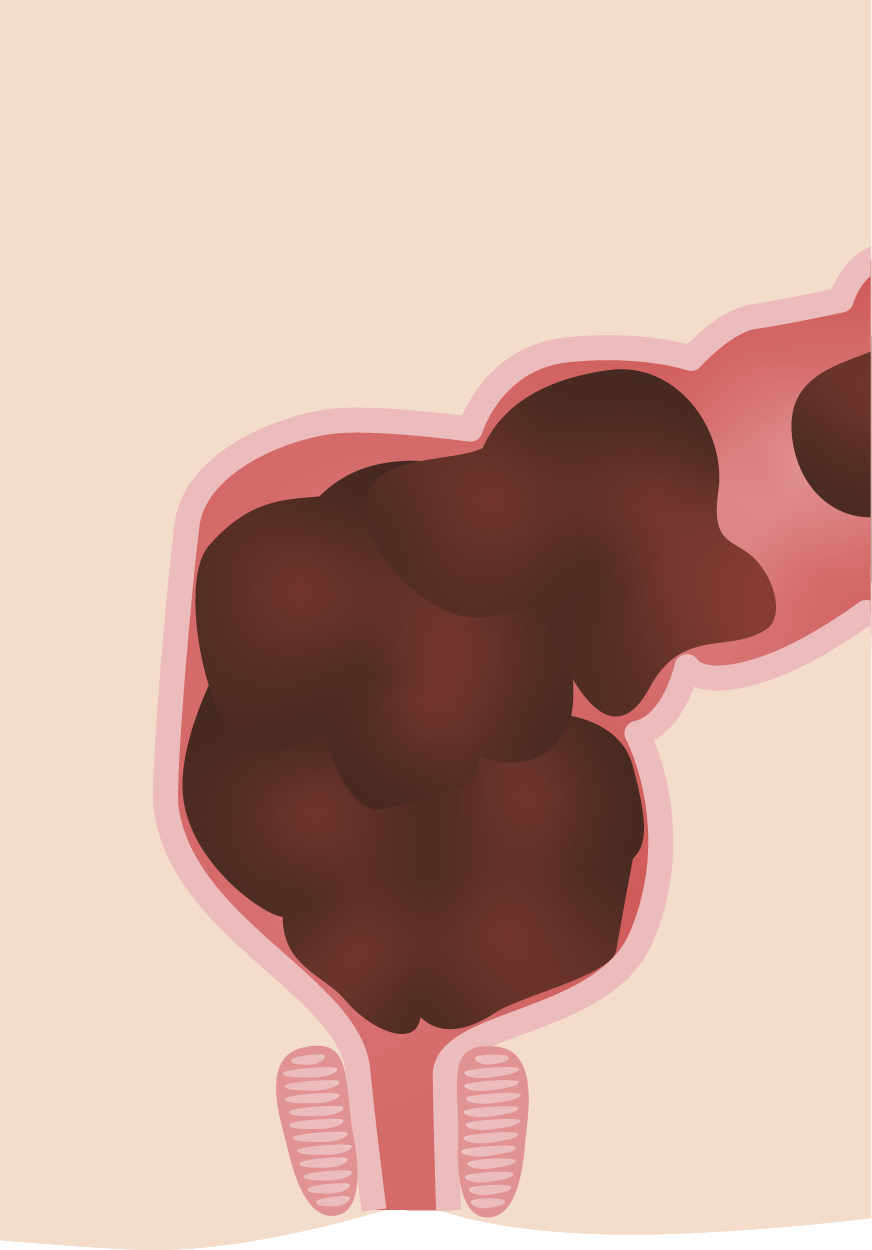
Estreñimiento intestinal

Representación de la sección transversal de la bóveda rectal en el estreñimiento con gran carga fecal que se observa a menudo en el estreñimiento funcional en niños

Imagen por Lecturio.

Diagnóstico

En EN Erythema nodosum is an immune-mediated panniculitis (inflammation of the subcutaneous fat) caused by a type IV (delayed-type) hypersensitivity reaction. It commonly manifests in young women as tender, erythematous nodules on the shins. Erythema Nodosum un niño por lo demás sano, el estreñimiento funcional se diagnostica clínicamente. El examen de laboratorio debe estar dirigido por indicios que sugieran otras causas patológicas:
  • Pruebas de laboratorio: no están indicadas a menos que se sospeche una causa orgánica
  • Radiografías abdominales:
    • No se realiza de forma rutinaria
    • En EN Erythema nodosum is an immune-mediated panniculitis (inflammation of the subcutaneous fat) caused by a type IV (delayed-type) hypersensitivity reaction. It commonly manifests in young women as tender, erythematous nodules on the shins. Erythema Nodosum circunstancias especiales, las radiografías pueden mostrar una carga de una masa fecal, especialmente cuando se sospecha una diarrea por desbordamiento o rechazo al AL Amyloidosis examen físico.
  • Enema de contraste simple (no enema de contraste de aire) con radiografías abdominales:
    • Puede ayudar a diagnosticar la enfermedad de Hirschsprung
    • La zona de transición de un segmento distal estrecho (agangliónico) a un segmento proximal distendido (gangliónico) es coherente con el diagnóstico.
  • Manometría anorrectal:
    • Se introduce un globo rectal y se infla para medir la presión rectal.
    • Puede ser útil para diagnosticar las causas neurológicas del estreñimiento
  • Biopsia rectal: la ausencia de células ganglionares en EN Erythema nodosum is an immune-mediated panniculitis (inflammation of the subcutaneous fat) caused by a type IV (delayed-type) hypersensitivity reaction. It commonly manifests in young women as tender, erythematous nodules on the shins. Erythema Nodosum el colon Colon The large intestines constitute the last portion of the digestive system. The large intestine consists of the cecum, appendix, colon (with ascending, transverse, descending, and sigmoid segments), rectum, and anal canal. The primary function of the colon is to remove water and compact the stool prior to expulsion from the body via the rectum and anal canal. Colon, Cecum, and Appendix: Anatomy afectado confirma el diagnóstico de la enfermedad de Hirschsprung.
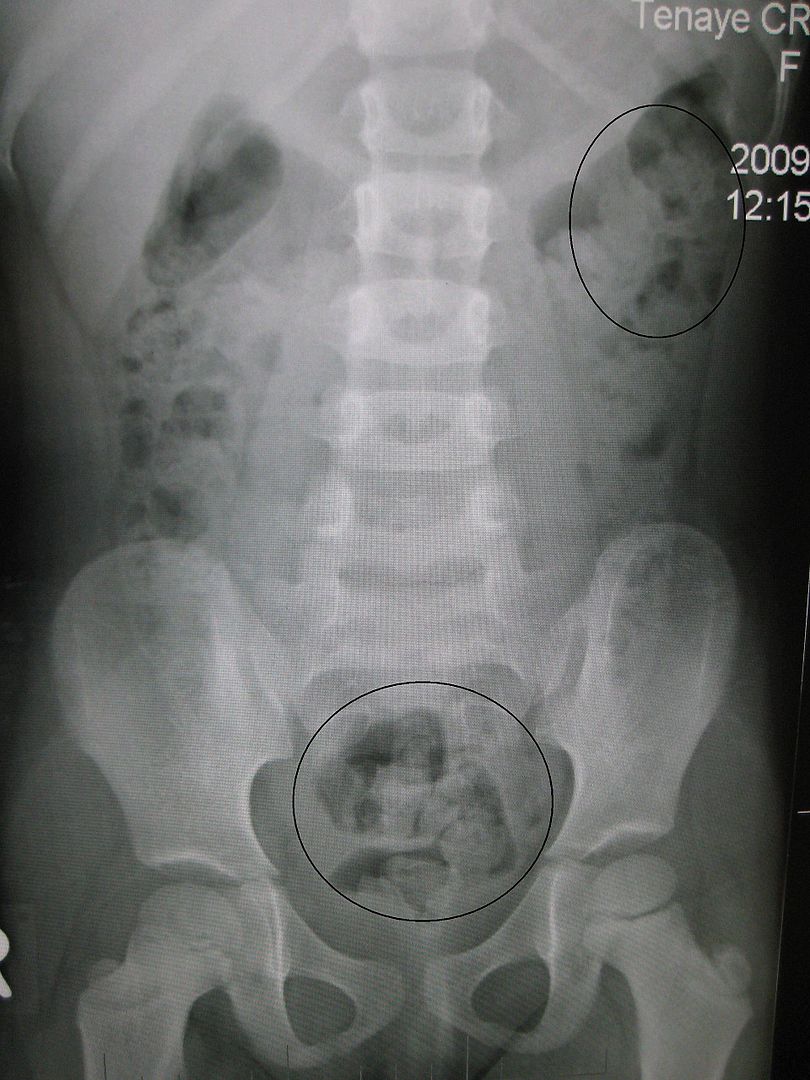
Estreñimiento

Vista anterior de una radiografía de un joven que muestra una importante carga fecal en el recto que sugiere estreñimiento

Imagen: “Constipation in a young child as seen on X-ray” por James Heilman, MD. Licencia: CC BY 3.0.

Tratamiento

  • Si se identifica una causa orgánica, el tratamiento se adapta a la etiología específica.
  • En EN Erythema nodosum is an immune-mediated panniculitis (inflammation of the subcutaneous fat) caused by a type IV (delayed-type) hypersensitivity reaction. It commonly manifests in young women as tender, erythematous nodules on the shins. Erythema Nodosum los LOS Neisseria pacientes con estreñimiento funcional, el tratamiento se centra en EN Erythema nodosum is an immune-mediated panniculitis (inflammation of the subcutaneous fat) caused by a type IV (delayed-type) hypersensitivity reaction. It commonly manifests in young women as tender, erythematous nodules on the shins. Erythema Nodosum 3 componentes:
    • Evacuación del colon Colon The large intestines constitute the last portion of the digestive system. The large intestine consists of the cecum, appendix, colon (with ascending, transverse, descending, and sigmoid segments), rectum, and anal canal. The primary function of the colon is to remove water and compact the stool prior to expulsion from the body via the rectum and anal canal. Colon, Cecum, and Appendix: Anatomy:
      • Catárticos orales (lactulosa, hidróxido de magnesio)
      • Enemas (solución salina ± glicerina)
    • Eliminación del dolor Dolor Inflammation al AL Amyloidosis defecar:
      • La terapia laxante crónica suficiente es segura y eficaz.
      • Modificaciones en EN Erythema nodosum is an immune-mediated panniculitis (inflammation of the subcutaneous fat) caused by a type IV (delayed-type) hypersensitivity reaction. It commonly manifests in young women as tender, erythematous nodules on the shins. Erythema Nodosum la dieta, como el aumento de la ingesta de líquidos, carbohidratos complejos (jugo de frutas) y verduras con la eliminación de la leche de vaca en EN Erythema nodosum is an immune-mediated panniculitis (inflammation of the subcutaneous fat) caused by a type IV (delayed-type) hypersensitivity reaction. It commonly manifests in young women as tender, erythematous nodules on the shins. Erythema Nodosum los LOS Neisseria niños muy pequeños
    • Mejorar los LOS Neisseria hábitos intestinales: deben fomentarse las visitas regulares al AL Amyloidosis baño de 5–10 minutos, preferiblemente después del desayuno y la cena.
  • Rara vez es necesaria la cirugía.
  • Otras recomendaciones:
    • Promover la lactancia materna en EN Erythema nodosum is an immune-mediated panniculitis (inflammation of the subcutaneous fat) caused by a type IV (delayed-type) hypersensitivity reaction. It commonly manifests in young women as tender, erythematous nodules on the shins. Erythema Nodosum los LOS Neisseria neonatos.
    • Se recomienda un cambio de comportamiento centrado en EN Erythema nodosum is an immune-mediated panniculitis (inflammation of the subcutaneous fat) caused by a type IV (delayed-type) hypersensitivity reaction. It commonly manifests in young women as tender, erythematous nodules on the shins. Erythema Nodosum la recompensa y evitar castigar al AL Amyloidosis niño por su conducta de ir al AL Amyloidosis baño.
Diagramas de diagnóstico y tratamiento del estreñimiento

Diagramas de flujo del diagnóstico y tratamiento del estreñimiento.

Imagen por Lecturio.

Referencias

  1. Maqbool, A., & Liacouras, C. A. (2020). Major symptoms and signs of digestive tract disorders. In R. M. Kliegman MD, J. W. St Geme MD, N. J. Blum MD, Shah, Samir S., MD, MSCE, Tasker, Robert C., MBBS, MD & Wilson, Karen M., MD, MPH (Eds.), Nelson textbook of pediatrics (pp. 190-1912.e1). https://www.clinicalkey.es/#!/content/3-s2.0-B9780323529501003321
  2. Alberta Health Services, & Primary Care Networks. (2022). Pediatric constipation primary care pathway. Retrieved October 23, 2025, from https://www.albertahealthservices.ca/assets/about/scn/ahs-scn-dh-pathway-pediatric-constipation.pdf
  3. Benninga M, Candy D, Catto-Smith A, Clayden G, Loening-Baucke V, Lorenzo C, Nurko S, & Staiano A. (2005). The Paris Consensus on Childhood Constipation Terminology (PACCT) Group. Journal of Pediatric Gastroenterology and Nutrition, 40(3), 273–275. https://journals.lww.com/jpgn/fulltext/2005/03000/the_paris_consensus_on_childhood_constipation.4.aspx 
  4. Robin SG, Keller C, Zwiener R, Hyman PE, Nurko S, Saps M, Di Lorenzo C, Shulman RJ, Hyams JS, Palsson O, & van Tilburg MAL. (2018). Prevalence of Pediatric Functional Gastrointestinal Disorders Utilizing the Rome IV Criteria. The Journal of Pediatrics, 195, 134–139. https://doi.org/10.1016/j.jpeds.2017.12.012
  5. Tabbers MM, DiLorenzo C, Berger MY, Faure C, Langendam MW, Nurko S, Staiano A, Vandenplas Y, & Benninga MA. (2014). Evaluation and treatment of functional constipation in infants and children: Evidence-based recommendations from ESPGHAN and NASPGHAN. The Journal of Pediatrics, 58(2):258–74. https://www.naspghan.org/files/documents/pdfs/cme/jpgn/Evaluation_and_Treatment_of_Functional.24.pdf
  6. Maqbool, A., & Liacouras, C. A. (2020). Major symptoms and signs of digestive tract disorders. In R. M. Kliegman MD, J. W. St Geme MD, N. J. Blum MD, Shah, Samir S., MD,MSCE, Tasker, Robert C., MBBS,MD & Wilson, Karen M., MD,MPH (Eds.), Nelson textbook of pediatrics (pp. 190–1912.e1).

¡Crea tu cuenta gratis o inicia una sesión para seguir leyendo!

Regístrate ahora y obtén acceso gratuito a Lecturio con páginas de concepto, videos médicos y cuestionarios para tu educación médica.

User Reviews

Que tengas una sesión de estudio alegre y navideña 🎁 Ahorra 50% en todos los planes >>

Details