
Domina Conceptos Médicos

Estudia para la escuela de medicina y tus examenes con Lecturio.

Deficiencias de Recuperación de Purinas

La vía de recuperación de purinas implica la producción de nucleótidos de purinas a partir de intermediarios de nucleósidos formados durante la degradación del ARN y el ADN. Los LOS Neisseria nucleósidos recuperados se pueden volver a convertir en EN Erythema nodosum is an immune-mediated panniculitis (inflammation of the subcutaneous fat) caused by a type IV (delayed-type) hypersensitivity reaction. It commonly manifests in young women as tender, erythematous nodules on the shins. Erythema Nodosum nucleótidos. Estas vías de salvamento son cruciales en EN Erythema nodosum is an immune-mediated panniculitis (inflammation of the subcutaneous fat) caused by a type IV (delayed-type) hypersensitivity reaction. It commonly manifests in young women as tender, erythematous nodules on the shins. Erythema Nodosum los LOS Neisseria tejidos incapaces de sintetizar de novo los LOS Neisseria nucleótidos de purina. Las deficiencias en EN Erythema nodosum is an immune-mediated panniculitis (inflammation of the subcutaneous fat) caused by a type IV (delayed-type) hypersensitivity reaction. It commonly manifests in young women as tender, erythematous nodules on the shins. Erythema Nodosum estas vías pueden dar lugar a afecciones como el síndrome de Lesch-Nyhan y la deficiencia de adenina fosforribosiltransferasa (APRT). El síndrome de Lesch-Nyhan se presenta con déficits neurológicos y automutilación en EN Erythema nodosum is an immune-mediated panniculitis (inflammation of the subcutaneous fat) caused by a type IV (delayed-type) hypersensitivity reaction. It commonly manifests in young women as tender, erythematous nodules on the shins. Erythema Nodosum el primer año de vida y la deficiencia de APRT se presenta con disfunción renal. No hay cura para ninguna de las dos enfermedades y el tratamiento es de apoyo. El pronóstico es malo para los LOS Neisseria pacientes con síndrome de Lesch-Nyhan, dado que los LOS Neisseria individuos afectados mueren dentro de las 2 1ras décadas de vida. Los LOS Neisseria individuos con deficiencia de APRT tienen un mejor pronóstico, pero puede desarrollan una enfermedad renal en EN Erythema nodosum is an immune-mediated panniculitis (inflammation of the subcutaneous fat) caused by a type IV (delayed-type) hypersensitivity reaction. It commonly manifests in young women as tender, erythematous nodules on the shins. Erythema Nodosum etapa terminal si no se trata.

Last updated: Apr 23, 2025

Editorial responsibility: Stanley Oiseth, Lindsay Jones, Evelin Maza

Descripción General

Definición

Las purinas se utilizan para la energía celular y pueden reciclarse a través de una vía de recuperación que es susceptible a las deficiencias enzimáticas que causan el síndrome de Lesch-Nyhan y la deficiencia de adenina fosforribosiltransferasa (APRT).
Epidemiología

  • Síndrome de Lesch-Nyhan:
    • Incidencia: 1 en EN Erythema nodosum is an immune-mediated panniculitis (inflammation of the subcutaneous fat) caused by a type IV (delayed-type) hypersensitivity reaction. It commonly manifests in young women as tender, erythematous nodules on the shins. Erythema Nodosum 380 000 nacidos vivos
    • Los LOS Neisseria hombre se ven afectados (trastorno ligado al AL Amyloidosis cromosoma X).
    • Las mujeres son portadoras heterocigóticas.
  • Deficiencia de APRT:
    • Incidencia: 1 en EN Erythema nodosum is an immune-mediated panniculitis (inflammation of the subcutaneous fat) caused by a type IV (delayed-type) hypersensitivity reaction. It commonly manifests in young women as tender, erythematous nodules on the shins. Erythema Nodosum 15 000–100 000 nacidos vivos
    • Los LOS Neisseria pacientes japoneses e islandeses son más susceptibles a la enfermedad.
    • Igual prevalencia en EN Erythema nodosum is an immune-mediated panniculitis (inflammation of the subcutaneous fat) caused by a type IV (delayed-type) hypersensitivity reaction. It commonly manifests in young women as tender, erythematous nodules on the shins. Erythema Nodosum hombres y mujeres

Etiología

  • Síndrome de Lesch-Nyhan:
    • Debido a la deficiencia de hipoxantina-guanina fosforribosiltransferasa (HPRT)
    • Causada por mutación del gen HPRT1
    • Raro
    • Herencia recesiva ligada al AL Amyloidosis cromosoma X
  • Deficiencia de APRT:
    • Causada por una mutación en EN Erythema nodosum is an immune-mediated panniculitis (inflammation of the subcutaneous fat) caused by a type IV (delayed-type) hypersensitivity reaction. It commonly manifests in young women as tender, erythematous nodules on the shins. Erythema Nodosum APRT, que conduce a una producción excesiva y excreción renal de 2,8-dihidroxiadenina
    • Herencia autosómica recesiva
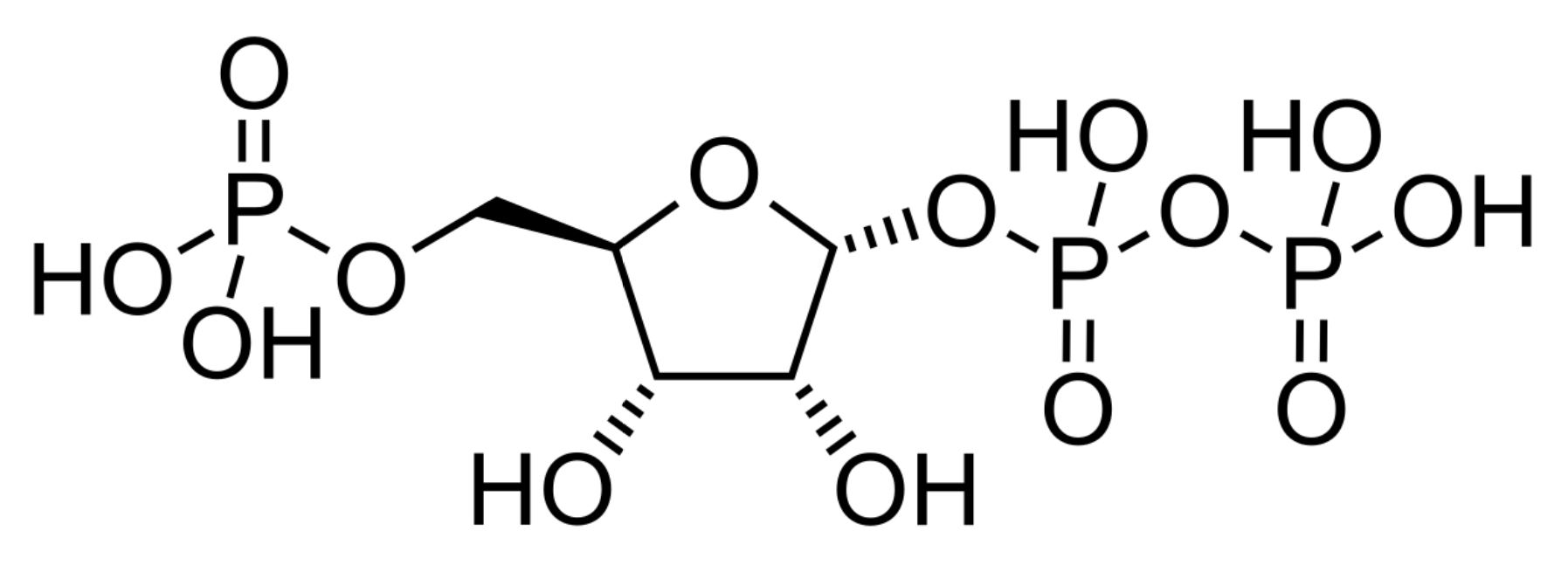
Estructura química del pirofosfato de fosforribosil

Estructura química del pirofosfato de fosforribosil:
Esta pentosa fosfato juega un papel importante en la transferencia de grupos fosforribosa para adaptarse a diferentes reacciones. Se observan niveles elevados de esta sustancia química con el síndrome de Lesch-Nyhan.
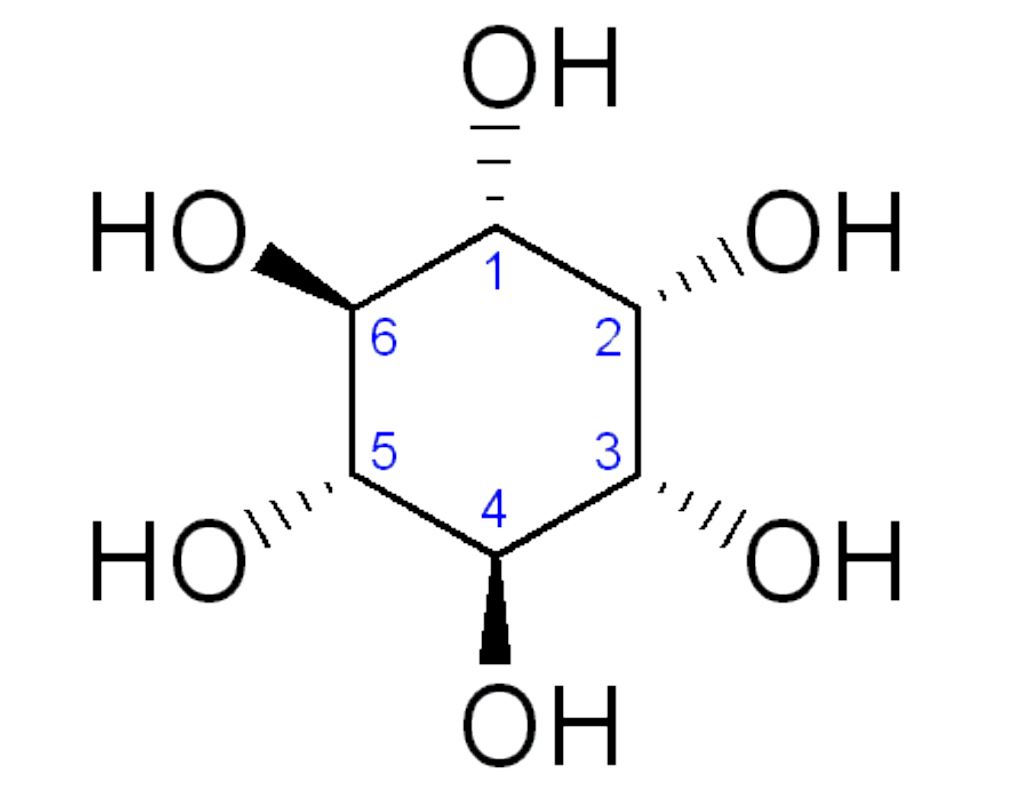
Imagen: “keletal formula of phosphoribosyl pyeophosphate(PRPP)” por Fvasconcellos. Licencia: Dominio Público

Fisiopatología

Síndrome de Lesch-Nyhan

  • Deficiencia de HPRT
  • Da como resultado el fracaso de la vía de rescate para la hipoxantina y la guanina; purinas degradadas a ácido úrico
  • La disminución de monofosfato de inositol y monofosfato de guanosilo da como resultado un aumento en EN Erythema nodosum is an immune-mediated panniculitis (inflammation of the subcutaneous fat) caused by a type IV (delayed-type) hypersensitivity reaction. It commonly manifests in young women as tender, erythematous nodules on the shins. Erythema Nodosum la conversión de 5-fosforribosil-1-pirofosfato en EN Erythema nodosum is an immune-mediated panniculitis (inflammation of the subcutaneous fat) caused by a type IV (delayed-type) hypersensitivity reaction. It commonly manifests in young women as tender, erythematous nodules on the shins. Erythema Nodosum 5-fosforribosilamina:
    • Exacerba la sobreproducción de ácido úrico
    • La hiperuricemia predispone a la gota y otras complicaciones.
Estructura de inositol

Estructura general del inositol:
Se produce menos monofosfato de inositol en el síndrome de Lesch-Nyhan a medida que se produce más ácido úrico, lo que produce hiperuricemia.
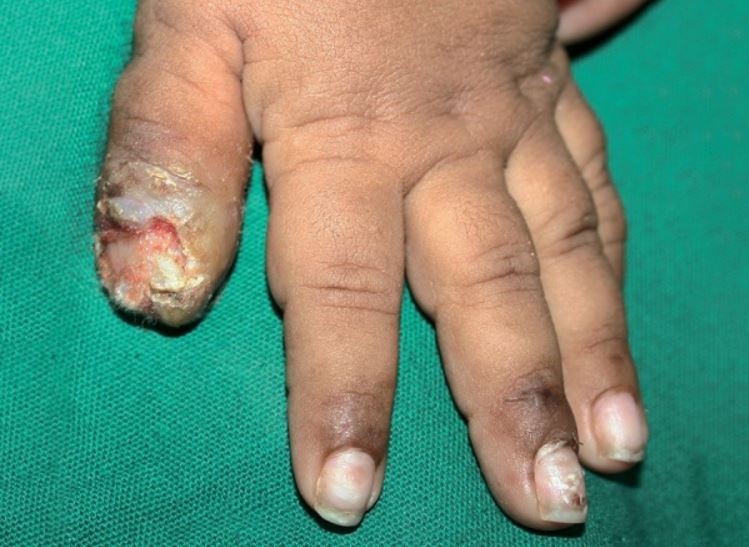
Imagen: “Inositol” por Edgar181. Licencia: Dominio Público

Deficiencia de adenina fosforribosiltransferasa

  • Deficiencia en EN Erythema nodosum is an immune-mediated panniculitis (inflammation of the subcutaneous fat) caused by a type IV (delayed-type) hypersensitivity reaction. It commonly manifests in young women as tender, erythematous nodules on the shins. Erythema Nodosum la enzima APRT que dificulta la recuperación de adenina
  • La acumulación de adenina resulta en EN Erythema nodosum is an immune-mediated panniculitis (inflammation of the subcutaneous fat) caused by a type IV (delayed-type) hypersensitivity reaction. It commonly manifests in young women as tender, erythematous nodules on the shins. Erythema Nodosum su oxidación a 2,8-dihidroxiadenina → se precipita en EN Erythema nodosum is an immune-mediated panniculitis (inflammation of the subcutaneous fat) caused by a type IV (delayed-type) hypersensitivity reaction. It commonly manifests in young women as tender, erythematous nodules on the shins. Erythema Nodosum el tracto urinario
  • Puede causar nefrolitiasis e insuficiencia renal.

Presentación Clínica

Síndrome de Lesch-Nyhan

  • Se presenta dentro del 1er año de vida: con xantina en EN Erythema nodosum is an immune-mediated panniculitis (inflammation of the subcutaneous fat) caused by a type IV (delayed-type) hypersensitivity reaction. It commonly manifests in young women as tender, erythematous nodules on the shins. Erythema Nodosum la orina (precipitado arenoso anaranjado) a menudo el 1er signo
  • Disfunción neurológica:
    • Disfunciones cognitivas
    • Discapacidad intelectual
    • Parálisis cerebral espástica
    • Hipotonía
    • Movimientos involuntarios
  • Problemas psiquiátricos:
    • Disfunciones conductuales
    • Comportamiento de automutilación
  • Hiperuricemia:
    • Urolitiasis
    • Nefropatía
    • Artritis por gota
    • Tofos
  • Hematológicas: anemia Anemia Anemia is a condition in which individuals have low Hb levels, which can arise from various causes. Anemia is accompanied by a reduced number of RBCs and may manifest with fatigue, shortness of breath, pallor, and weakness. Subtypes are classified by the size of RBCs, chronicity, and etiology. Anemia: Overview and Types macrocítica
Pulgar herido por conducta de automutilación en el síndrome de Lesch-Nyhan

Pulgar herido por conducta de automutilación en el síndrome de Lesch-Nyhan

Imagen: “Lesch-Nyhan Syndrome: Disorder of Self-mutilating Behavior” por Jathar P, Panse AM, Jathar M, Gawali PN . Licencia: CC BY 3.0

Deficiencia de adenina fosforribosiltransferasa

  • No existe una edad típica para el inicio clínico.
  • Disfuncion renal:
    • Nefropatía por ácido úrico
    • Cólico renal
    • Infecciones frecuentes
    • Insuficiencia renal

Diagnóstico

Síndrome de Lesch-Nyhan

  • Las pruebas de laboratorio muestran hiperuricemia.
  • Los LOS Neisseria estudios de orina muestran una elevación en EN Erythema nodosum is an immune-mediated panniculitis (inflammation of the subcutaneous fat) caused by a type IV (delayed-type) hypersensitivity reaction. It commonly manifests in young women as tender, erythematous nodules on the shins. Erythema Nodosum la concentración de urato:creatinina.
  • Las pruebas genéticas son de diagnóstico.

Deficiencia de adenina fosforribosiltransferasa

  • El diagnóstico se realiza mediante la identificación de 2,8-dihidroxiadenina en EN Erythema nodosum is an immune-mediated panniculitis (inflammation of the subcutaneous fat) caused by a type IV (delayed-type) hypersensitivity reaction. It commonly manifests in young women as tender, erythematous nodules on the shins. Erythema Nodosum la orina.
  • Otros componentes del estudio:
    • Examen físico de los LOS Neisseria ojos para pacientes con síntomas oftalmológicos
    • Estudios de laboratorio de creatinina sérica, estudios de orina
    • Imágenes del riñón con TC o ultrasonido para evaluar si hay cálculos renales

Tratamiento

Síndrome de Lesch-Nyhan

  • No hay cura para este trastorno.
  • Los LOS Neisseria tratamientos están dirigidos a reducir los LOS Neisseria síntomas:
    • Alopurinol para la hiperuricemia
    • Baclofeno o benzodiazepinas para la espasticidad
    • Intervención conductual y física para el comportamiento autoagresivo
  • El pronóstico es malo y los LOS Neisseria pacientes mueren con mayor frecuencia dentro de las 2 1as décadas de vida.

Deficiencia de adenina fosforribosiltransferasa

  • El tratamiento implica:
    • Restricción de purinas
    • Alta ingesta de líquidos
    • Evitar la alcalinización de la orina.
    • Alopurinol
    • Trasplante renal para la enfermedad renal en EN Erythema nodosum is an immune-mediated panniculitis (inflammation of the subcutaneous fat) caused by a type IV (delayed-type) hypersensitivity reaction. It commonly manifests in young women as tender, erythematous nodules on the shins. Erythema Nodosum etapa terminal
  • El pronóstico es mejor que para el síndrome de Lesch-Nyhan si el tratamiento controla la enfermedad renal. Sin embargo, existe el riesgo de enfermedad renal terminal en EN Erythema nodosum is an immune-mediated panniculitis (inflammation of the subcutaneous fat) caused by a type IV (delayed-type) hypersensitivity reaction. It commonly manifests in young women as tender, erythematous nodules on the shins. Erythema Nodosum pacientes que no reciben el tratamiento adecuado.

Relevancia Clínica

  • Urolitiasis: formación de cálculos en EN Erythema nodosum is an immune-mediated panniculitis (inflammation of the subcutaneous fat) caused by a type IV (delayed-type) hypersensitivity reaction. It commonly manifests in young women as tender, erythematous nodules on the shins. Erythema Nodosum riñón, vejiga y/o uretra. El tipo más común de piedra es una piedra de oxalato de calcio. Los LOS Neisseria pacientes a menudo se presentan con dolor Dolor Inflammation tipo cólico en EN Erythema nodosum is an immune-mediated panniculitis (inflammation of the subcutaneous fat) caused by a type IV (delayed-type) hypersensitivity reaction. It commonly manifests in young women as tender, erythematous nodules on the shins. Erythema Nodosum el flanco que se irradia a la ingle y hematuria Hematuria Presence of blood in the urine. Renal Cell Carcinoma. Los LOS Neisseria pacientes se diagnostican mediante TC de abdomen y pelvis Pelvis The pelvis consists of the bony pelvic girdle, the muscular and ligamentous pelvic floor, and the pelvic cavity, which contains viscera, vessels, and multiple nerves and muscles. The pelvic girdle, composed of 2 “hip” bones and the sacrum, is a ring-like bony structure of the axial skeleton that links the vertebral column with the lower extremities. Pelvis: Anatomy sin contraste. El tratamiento depende del tamaño del cálculo. Los LOS Neisseria cálculos pequeños pasarán espontáneamente con tratamiento conservador (hidratación, analgésicos); los LOS Neisseria cálculos grandes requieren intervención con litotricia extracorpórea por ondas de choque o nefrolitotomía percutánea. Las complicaciones incluyen hidronefrosis y pielonefritis.
  • Gota: afección médica causada por niveles elevados de ácido úrico y depósito de urato monosódico en EN Erythema nodosum is an immune-mediated panniculitis (inflammation of the subcutaneous fat) caused by a type IV (delayed-type) hypersensitivity reaction. It commonly manifests in young women as tender, erythematous nodules on the shins. Erythema Nodosum el tejido. La presentación más común es la artritis aguda monoarticular. Muy a menudo, la primera articulación metatarsofalángica se ve VE Ventilation: Mechanics of Breathing afectada. Otros órganos, como los LOS Neisseria riñones, pueden verse afectados. El diagnóstico se confirma con la identificación de cristales de urato de una aspiración articular. El tratamiento de los LOS Neisseria brotes agudos puede incluir AINE, colchicina o glucocorticoides.
  • Tofos: depósito de cristales de urato monosódico en EN Erythema nodosum is an immune-mediated panniculitis (inflammation of the subcutaneous fat) caused by a type IV (delayed-type) hypersensitivity reaction. It commonly manifests in young women as tender, erythematous nodules on the shins. Erythema Nodosum afecciones hiperuricémicas. Los LOS Neisseria tofos se observan con mayor frecuencia en EN Erythema nodosum is an immune-mediated panniculitis (inflammation of the subcutaneous fat) caused by a type IV (delayed-type) hypersensitivity reaction. It commonly manifests in young women as tender, erythematous nodules on the shins. Erythema Nodosum pacientes con gota y se desarrollan con el tiempo, por lo general aparecen muchos años después de que se detecta hiperuricemia en EN Erythema nodosum is an immune-mediated panniculitis (inflammation of the subcutaneous fat) caused by a type IV (delayed-type) hypersensitivity reaction. It commonly manifests in young women as tender, erythematous nodules on the shins. Erythema Nodosum un paciente. Los LOS Neisseria tofos se pueden formar en EN Erythema nodosum is an immune-mediated panniculitis (inflammation of the subcutaneous fat) caused by a type IV (delayed-type) hypersensitivity reaction. It commonly manifests in young women as tender, erythematous nodules on the shins. Erythema Nodosum todo el cuerpo en EN Erythema nodosum is an immune-mediated panniculitis (inflammation of the subcutaneous fat) caused by a type IV (delayed-type) hypersensitivity reaction. It commonly manifests in young women as tender, erythematous nodules on the shins. Erythema Nodosum lugares como articulaciones, cartílagos y huesos. Estas formaciones pueden conducir a una movilidad deficiente y pueden causar destrucción ósea.

Referencias

  1. Alberts, B., Heald, R., Johnson, A., Morgan, D., Raff, M., Roberts, K., Walter, P., & Wilson, J. (2022). Molecular biology of the cell (7th ed.). W.W. Norton & Company.
  2. Berg, J. M., Tymoczko, J. L., Gatto, G. J., & Stryer, L. (2023). Biochemistry (10th ed.). W.H. Freeman and Company.
  3. Ghanem, N., Amin, S. A., Abraham, A., Roy, K., & Mukherjee, A. (2021). The pentose phosphate pathway in cancer: Regulation and therapeutic opportunities. Chemotherapy, 66(5-6), 179-191. https://doi.org/10.1159/000519784
  4. Morelli, A. M., & Scholkmann, F. (2024). Should the standard model of cellular energy metabolism be reconsidered? Possible coupling between the pentose phosphate pathway, glycolysis and extra-mitochondrial oxidative phosphorylation. Biochimie, 221, 99-109. https://doi.org/10.1016/j.biochi.2024.01.018
  5. Nelson, D. L., & Cox, M. M. (2021). Lehninger principles of biochemistry (8th ed.). W.H. Freeman.
  6. Qiao, J., Huang, Y., Xia, Y., Chu, P., Yan, W., & Liu, Y. (2025). The pentose phosphate pathway: From mechanisms to implications for gastrointestinal cancers. International Journal of Molecular Sciences, 26(2), 610. https://doi.org/10.3390/ijms26020610
  7. Rashida, Z., & Laxman, S. (2021). The pentose phosphate pathway and organization of metabolic networks enabling growth programs. Current Opinion in Systems Biology, 28, 100390. https://doi.org/10.1016/j.coisb.2021.100390
  8. Shah, S. S., Klaassen, D. L., Rathod, P. K., & Abraham, N. G. (2024). The global role of G6PD in infection and immunity. Frontiers in Immunology, 15. https://doi.org/10.3389/fimmu.2024.1393213
  9. TeSlaa, T., Ducker, G. S., & Rabinowitz, J. D. (2023). The pentose phosphate pathway in health and disease. Nature Metabolism, 5(8), 1275-1289. https://doi.org/10.1038/s42255-023-00863-2
  10. Alberts, B., Heald, R., Johnson, A., Morgan, D., Raff, M., Roberts, K., Walter, P., & Wilson, J. (2022). Molecular biology of the cell (7th ed.). W.W. Norton & Company.
  11. Jang, G., Shin, H. R., Do, H. S., Kweon, J., Hwang, S., Kim, S., Heo, S. H., Kim, Y., & Lee, B. H. (2023). Therapeutic gene correction for Lesch-Nyhan syndrome using CRISPR-mediated base and prime editing. Molecular Therapy – Nucleic Acids, 31, 586–595. https://doi.org/10.1016/j.omtn.2023.02.009
  12. Javed, S., Raza, S. S., Khan, M. S., & Zahra, S. A. (2025). Unleashing the power of induced pluripotent stem cells in in vitro modelling of Lesch-Nyhan disease. Stem Cell Reviews and Reports, 21(2), 304–318. https://doi.org/10.1007/s12015-024-10821-4
  13. Leow, E. H., Tan, A. Y., Goh, E. H., & Ganesh, P. (2025). Adenine phosphoribosyltransferase (APRT) deficiency: An increasingly recognized disease. International Urology and Nephrology. https://doi.org/10.1007/s11255-025-04420-6
  14. Mileti, L. N., & Baleja, J. D. (2025). The role of purine metabolism and uric acid in postnatal neurologic development. Molecules, 30(4), 839. https://doi.org/10.3390/molecules30040839
  15. Valechha, D., Jyotishi, C., Patel, M., & Gupta, R. (2025). Symptomatic management and new therapeutic directions in Lesch-Nyhan syndrome: A review. World Academy of Science Journal, 7(3), 43. https://doi.org/10.3892/wasj.2025.331
  16. Yamada, S., Kawasaki, R., Fujishima, K., & Ohmori, H. (2024). Purinosomes and purine metabolism in mammalian neural development: A review. Acta Histochemica Et Cytochemica, 57(3), 89–100. https://doi.org/10.1267/ahc.24-00027

¡Crea tu cuenta gratis o inicia una sesión para seguir leyendo!

Regístrate ahora y obtén acceso gratuito a Lecturio con páginas de concepto, videos médicos y cuestionarios para tu educación médica.

User Reviews

Que tengas una sesión de estudio alegre y navideña 🎁 Ahorra 50% en todos los planes >>

Details