Domina Conceptos Médicos

Estudia para la escuela de medicina y tus examenes con Lecturio.

Cardiopatía Coronaria

La cardiopatía coronaria, o cardiopatía isquémica, describe una situación en EN Erythema nodosum is an immune-mediated panniculitis (inflammation of the subcutaneous fat) caused by a type IV (delayed-type) hypersensitivity reaction. It commonly manifests in young women as tender, erythematous nodules on the shins. Erythema Nodosum la que existe una irrigación inadecuada de sangre al AL Amyloidosis miocardio debido a una estenosis de las arterias coronarias, normalmente por aterosclerosis. El miocardio se vuelve isquémico cuando el suministro de oxígeno no satisface la demanda de oxígeno. El diagnóstico se basa en EN Erythema nodosum is an immune-mediated panniculitis (inflammation of the subcutaneous fat) caused by a type IV (delayed-type) hypersensitivity reaction. It commonly manifests in young women as tender, erythematous nodules on the shins. Erythema Nodosum los LOS Neisseria antecedentes y los LOS Neisseria hallazgos del ECG ECG An electrocardiogram (ECG) is a graphic representation of the electrical activity of the heart plotted against time. Adhesive electrodes are affixed to the skin surface allowing measurement of cardiac impulses from many angles. The ECG provides 3-dimensional information about the conduction system of the heart, the myocardium, and other cardiac structures. Electrocardiogram (ECG); también pueden ser necesarias pruebas de esfuerzo cardíaco y cateterismos. El tratamiento se basa principalmente en EN Erythema nodosum is an immune-mediated panniculitis (inflammation of the subcutaneous fat) caused by a type IV (delayed-type) hypersensitivity reaction. It commonly manifests in young women as tender, erythematous nodules on the shins. Erythema Nodosum la reducción de la demanda de oxígeno del corazón y en EN Erythema nodosum is an immune-mediated panniculitis (inflammation of the subcutaneous fat) caused by a type IV (delayed-type) hypersensitivity reaction. It commonly manifests in young women as tender, erythematous nodules on the shins. Erythema Nodosum el aumento del suministro de oxígeno.

Last updated: Dec 15, 2025

Editorial responsibility: Stanley Oiseth, Lindsay Jones, Evelin Maza

Descripción General

Definición

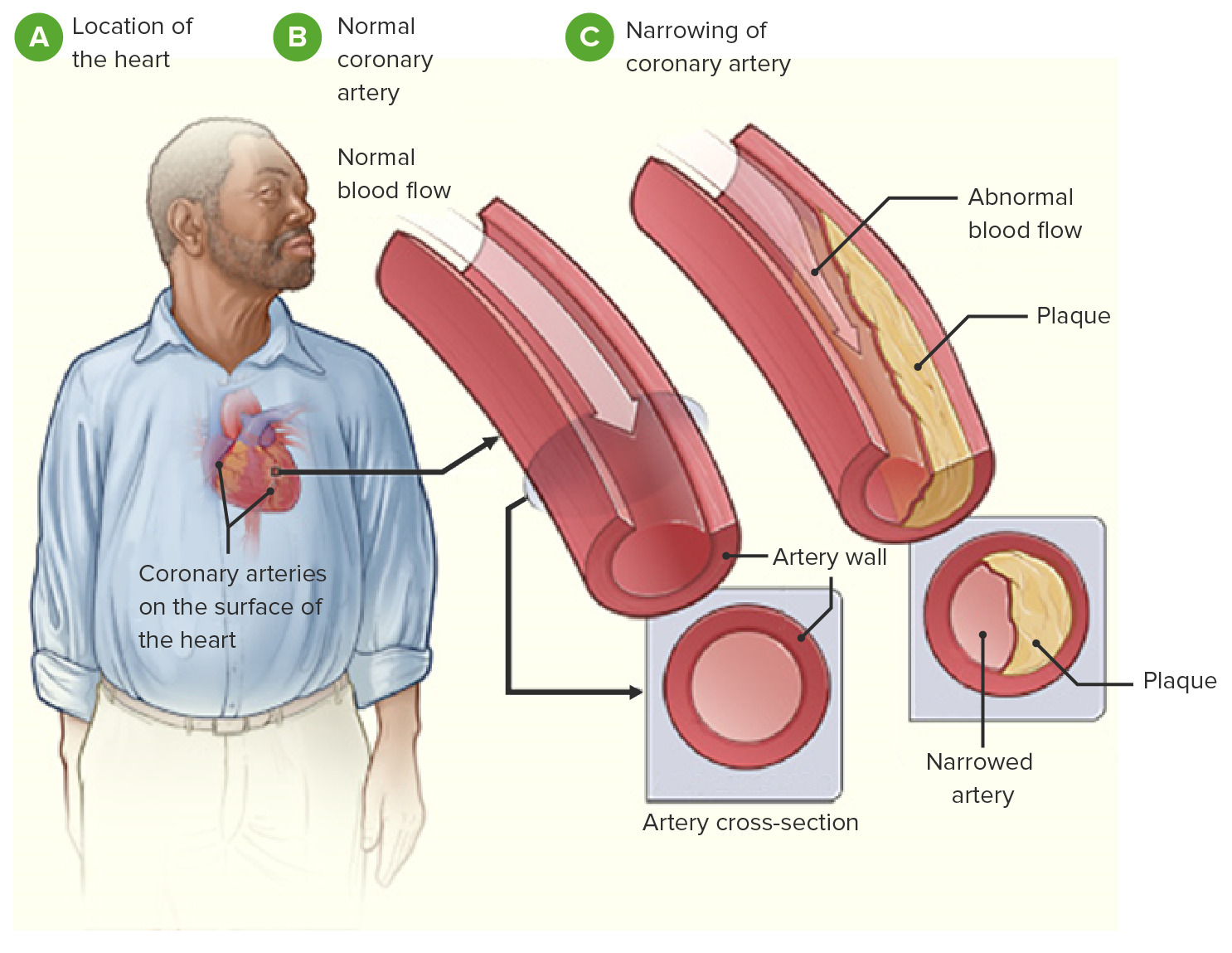
La cardiopatía coronaria es la manifestación de la aterosclerosis en EN Erythema nodosum is an immune-mediated panniculitis (inflammation of the subcutaneous fat) caused by a type IV (delayed-type) hypersensitivity reaction. It commonly manifests in young women as tender, erythematous nodules on the shins. Erythema Nodosum las arterias coronarias, de manera que se produce un desequilibrio entre el suministro de oxígeno y la demanda del miocardio, lo que da lugar a la isquemia de una parte del miocardio.
Epidemiología

  • Causa más común de muerte en EN Erythema nodosum is an immune-mediated panniculitis (inflammation of the subcutaneous fat) caused by a type IV (delayed-type) hypersensitivity reaction. It commonly manifests in young women as tender, erythematous nodules on the shins. Erythema Nodosum el mundo
  • Enfermedad cardiovascular más común en EN Erythema nodosum is an immune-mediated panniculitis (inflammation of the subcutaneous fat) caused by a type IV (delayed-type) hypersensitivity reaction. It commonly manifests in young women as tender, erythematous nodules on the shins. Erythema Nodosum el mundo
  • Tasa de incidencia: 0,6% al AL Amyloidosis año
  • La incidencia aumenta con la edad.
  • Más común en EN Erythema nodosum is an immune-mediated panniculitis (inflammation of the subcutaneous fat) caused by a type IV (delayed-type) hypersensitivity reaction. It commonly manifests in young women as tender, erythematous nodules on the shins. Erythema Nodosum los LOS Neisseria hombres.
  • El 90% de las cardiopatías se producen en EN Erythema nodosum is an immune-mediated panniculitis (inflammation of the subcutaneous fat) caused by a type IV (delayed-type) hypersensitivity reaction. It commonly manifests in young women as tender, erythematous nodules on the shins. Erythema Nodosum individuos con al AL Amyloidosis menos 1 factor de riesgo.

Etiología

  • El mecanismo subyacente es la aterosclerosis.
  • Factores de riesgo modificables:
    • Diabetes Diabetes Diabetes mellitus (DM) is a metabolic disease characterized by hyperglycemia and dysfunction of the regulation of glucose metabolism by insulin. Type 1 DM is diagnosed mostly in children and young adults as the result of autoimmune destruction of β cells in the pancreas and the resulting lack of insulin. Type 2 DM has a significant association with obesity and is characterized by insulin resistance. Diabetes Mellitus
    • Tabaquismo
    • Falta de ejercicio
    • Obesidad, especialmente abdominal
    • Consumo de alcohol: más de 2 bebidas al AL Amyloidosis día
    • Hipertensión: tanto sistólica como diastólica
    • Hiperlipidemia:
      • Colesterol de lipoproteina de baja densidad (LDL, por sus siglas en EN Erythema nodosum is an immune-mediated panniculitis (inflammation of the subcutaneous fat) caused by a type IV (delayed-type) hypersensitivity reaction. It commonly manifests in young women as tender, erythematous nodules on the shins. Erythema Nodosum inglés) elevado
      • Colesterol de lipoproteina de alta densidad (HDL, por sus siglas en EN Erythema nodosum is an immune-mediated panniculitis (inflammation of the subcutaneous fat) caused by a type IV (delayed-type) hypersensitivity reaction. It commonly manifests in young women as tender, erythematous nodules on the shins. Erythema Nodosum inglés) disminuido
  • Factores de riesgo fijos:
    • Edad
    • Sexo masculino
    • Antecedentes familiares de enfermedad prematura en EN Erythema nodosum is an immune-mediated panniculitis (inflammation of the subcutaneous fat) caused by a type IV (delayed-type) hypersensitivity reaction. It commonly manifests in young women as tender, erythematous nodules on the shins. Erythema Nodosum un familiar de 1er grado:
      • Hombre < 55 años
      • Mujer < 65 años
Fisiopatología de la cardiopatía coronaria

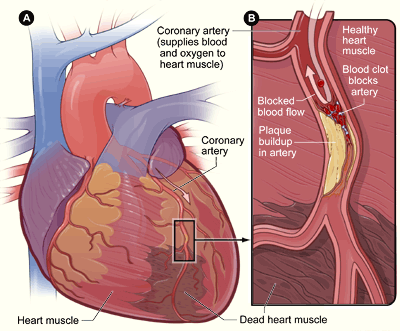
Imagen que demuestra la fisiopatología de la cardiopatía coronaria

Imagen: “Coronary heart disease-atherosclerosis” por National Heart, Lung and Blood Institute. Licencia: Dominio Público, editado por Lecturio.
Fisiopatología

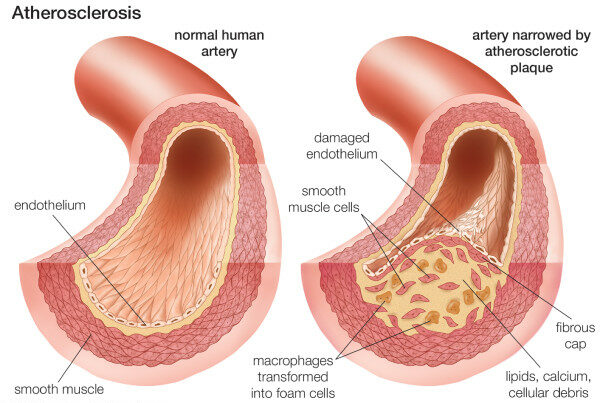
Patogénesis de la aterosclerosis coronaria

  • El evento inicial es una alteración del endotelio de una arteria coronaria debido a factores como:
    • Hipertensión
    • Tabaquismo
    • Diabetes Diabetes Diabetes mellitus (DM) is a metabolic disease characterized by hyperglycemia and dysfunction of the regulation of glucose metabolism by insulin. Type 1 DM is diagnosed mostly in children and young adults as the result of autoimmune destruction of β cells in the pancreas and the resulting lack of insulin. Type 2 DM has a significant association with obesity and is characterized by insulin resistance. Diabetes Mellitus
    • LDL elevado (colesterol “malo”)
  • Las plaquetas se adhieren a los LOS Neisseria sitios de lesión endotelial.
  • Los LOS Neisseria lípidos acceden a la zona subendotelial arterial.
  • Se desarrolla una inflamación crónica:
    • LDL adicional se acumula de forma secundaria a la inflamación.
    • La acumulación adicional de LDL provoca más inflamación.
    • Se produce un ciclo de retroalimentación.
  • Se desarrollan cambios en EN Erythema nodosum is an immune-mediated panniculitis (inflammation of the subcutaneous fat) caused by a type IV (delayed-type) hypersensitivity reaction. It commonly manifests in young women as tender, erythematous nodules on the shins. Erythema Nodosum la pared de los LOS Neisseria vasos debido a la inflamación:
    • Infiltración por macrófagos y linfocitos:
      • Ingesta de LDL oxidado (por los LOS Neisseria macrófagos)
      • Formación de células espumosas (macrófagos cargados de LDL)
    • Aumento de la liberación de citoquinas y factores de crecimiento
    • Migración de células musculares lisas
    • Calcificación

Efectos en EN Erythema nodosum is an immune-mediated panniculitis (inflammation of the subcutaneous fat) caused by a type IV (delayed-type) hypersensitivity reaction. It commonly manifests in young women as tender, erythematous nodules on the shins. Erythema Nodosum el miocardio

  • Estrechamiento de la luz arterial (estenosis):
    • Reduce la irrigacion de sangre al AL Amyloidosis miocardio
    • Los LOS Neisseria síntomas aparecen si la estenosis es ≥ 70% (una estenosis mayor produce una mayor resistencia al AL Amyloidosis flujo).
  • A continuación, se desarrolla la incapacidad de satisfacer la demanda de oxígeno con un mayor esfuerzo.
  • Los LOS Neisseria síntomas son inducidos por la disminución del suministro de oxígeno o el aumento de la demanda.
Composición de la placa aterosclerótica

Composición de la placa aterosclerótica

Imagen: “Neovascularization of coronary tunica intima (DIT) is the cause of coronary atherosclerosis. Lipoproteins invade coronary intima via neovascularization from adventitial vasa vasorum, but not from the arterial lumen: a hypothesis” por Subbotin, VM/ Encyclopeadia Britannica. Licencia: CC BY 2.0

Espectro Clínico

La cardiopatía coronaria tiene un espectro de presentaciones clínicas.

Angina de pecho

Características generales:

  • Condición caracterizada por un fuerte dolor Dolor Inflammation toracico, que a menudo se extiende también a los LOS Neisseria hombros, los LOS Neisseria brazos y el cuello, causado por una irrigación sanguínea insuficiente al AL Amyloidosis corazón
  • Síntomas/manifestaciones típicas:
  • Características de la angina clásica:
    • La calidad típica del dolor Dolor Inflammation: localización retroesternal, sordo/opresivo
    • Provocado por el estrés físico/emocional
    • Se alivia con nitroglicerina/descanso
  • Características atípicas de la angina de pecho:
  • Dolor Dolor Inflammation torácico no anginoso: 0–1 características clásicas de la angina de pecho

Angina estable:

  • Desencadenantes:
    • Estresores físicos
    • Estresores emocionales
    • Aumento de la demanda de oxígeno
  • Desencadenantes y tiempos predecibles
  • Aliviada por:
    • Descanso
    • Nitratos
  • El ECG ECG An electrocardiogram (ECG) is a graphic representation of the electrical activity of the heart plotted against time. Adhesive electrodes are affixed to the skin surface allowing measurement of cardiac impulses from many angles. The ECG provides 3-dimensional information about the conduction system of the heart, the myocardium, and other cardiac structures. Electrocardiogram (ECG) suele ser normal.
  • Las enzimas cardíacas son normales.
  • No implica la muerte celular

Angina inestable:

  • Se produce en EN Erythema nodosum is an immune-mediated panniculitis (inflammation of the subcutaneous fat) caused by a type IV (delayed-type) hypersensitivity reaction. It commonly manifests in young women as tender, erythematous nodules on the shins. Erythema Nodosum reposo
  • No hay un patrón predecible
  • No aliviada por:
    • Descanso
    • Nitratos
  • El ECG ECG An electrocardiogram (ECG) is a graphic representation of the electrical activity of the heart plotted against time. Adhesive electrodes are affixed to the skin surface allowing measurement of cardiac impulses from many angles. The ECG provides 3-dimensional information about the conduction system of the heart, the myocardium, and other cardiac structures. Electrocardiogram (ECG) muestra cambios inespecíficos en EN Erythema nodosum is an immune-mediated panniculitis (inflammation of the subcutaneous fat) caused by a type IV (delayed-type) hypersensitivity reaction. It commonly manifests in young women as tender, erythematous nodules on the shins. Erythema Nodosum el segmento ST:
    • Depresión del ST/elevación transitoria
    • Inversiones de la onda T
    • Los LOS Neisseria cambios son reversibles.
  • Las enzimas cardíacas son normales.
  • No implica la muerte celular

Infarto de miocardio

Características generales:

  • Evento patológico en EN Erythema nodosum is an immune-mediated panniculitis (inflammation of the subcutaneous fat) caused by a type IV (delayed-type) hypersensitivity reaction. It commonly manifests in young women as tender, erythematous nodules on the shins. Erythema Nodosum el contexto de la isquemia miocárdica en EN Erythema nodosum is an immune-mediated panniculitis (inflammation of the subcutaneous fat) caused by a type IV (delayed-type) hypersensitivity reaction. It commonly manifests in young women as tender, erythematous nodules on the shins. Erythema Nodosum el que hay evidencia de lesión o necrosis Necrosis The death of cells in an organ or tissue due to disease, injury or failure of the blood supply. Ischemic Cell Damage miocárdica (muerte celular)
  • Cese agudo del flujo sanguíneo en EN Erythema nodosum is an immune-mediated panniculitis (inflammation of the subcutaneous fat) caused by a type IV (delayed-type) hypersensitivity reaction. It commonly manifests in young women as tender, erythematous nodules on the shins. Erythema Nodosum una zona del miocardio
  • Emergencia médica
  • Síntomas:
    • Dolor Dolor Inflammation torácico:
      • Síntoma más común
      • Más severo y prolongado que la angina
      • No resuelve
    • Diaforesis
    • Ansiedad
  • Los LOS Neisseria síntomas atípicos y los LOS Neisseria hallazgos del ECG ECG An electrocardiogram (ECG) is a graphic representation of the electrical activity of the heart plotted against time. Adhesive electrodes are affixed to the skin surface allowing measurement of cardiac impulses from many angles. The ECG provides 3-dimensional information about the conduction system of the heart, the myocardium, and other cardiac structures. Electrocardiogram (ECG) pueden observarse en EN Erythema nodosum is an immune-mediated panniculitis (inflammation of the subcutaneous fat) caused by a type IV (delayed-type) hypersensitivity reaction. It commonly manifests in young women as tender, erythematous nodules on the shins. Erythema Nodosum:
    • Mujeres
    • Personas con diabetes Diabetes Diabetes mellitus (DM) is a metabolic disease characterized by hyperglycemia and dysfunction of the regulation of glucose metabolism by insulin. Type 1 DM is diagnosed mostly in children and young adults as the result of autoimmune destruction of β cells in the pancreas and the resulting lack of insulin. Type 2 DM has a significant association with obesity and is characterized by insulin resistance. Diabetes Mellitus
    • Personas mayores
  • Aumento de biomarcadores cardíacos:
    • Troponina
    • Liberados por las células del miocardio cuando están muriendo

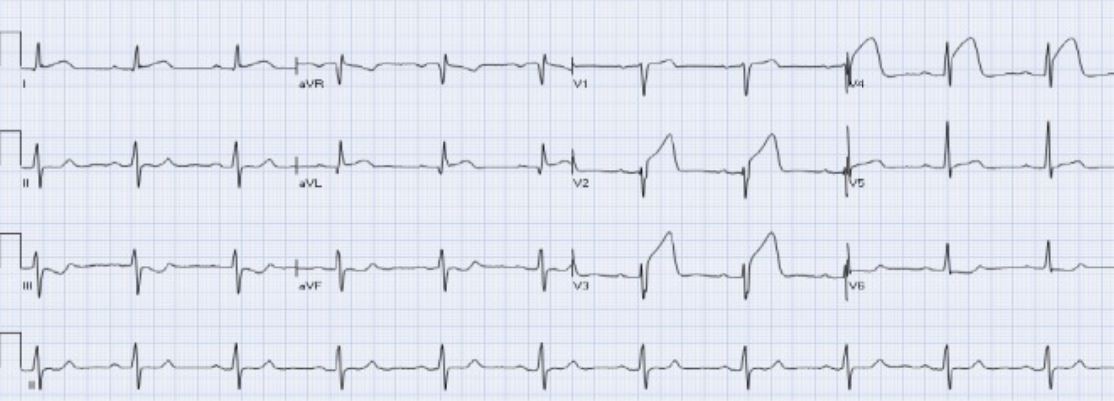
Cambios en EN Erythema nodosum is an immune-mediated panniculitis (inflammation of the subcutaneous fat) caused by a type IV (delayed-type) hypersensitivity reaction. It commonly manifests in young women as tender, erythematous nodules on the shins. Erythema Nodosum el ECG ECG An electrocardiogram (ECG) is a graphic representation of the electrical activity of the heart plotted against time. Adhesive electrodes are affixed to the skin surface allowing measurement of cardiac impulses from many angles. The ECG provides 3-dimensional information about the conduction system of the heart, the myocardium, and other cardiac structures. Electrocardiogram (ECG) (irreversibles):
  • Cambios en EN Erythema nodosum is an immune-mediated panniculitis (inflammation of the subcutaneous fat) caused by a type IV (delayed-type) hypersensitivity reaction. It commonly manifests in young women as tender, erythematous nodules on the shins. Erythema Nodosum el segmento ST:
    • IAMCEST o nuevo bloqueo de rama izquierda:
      • Forma más severa
      • Arteria coronaria completamente bloqueada
      • Típicamente grandes áreas de miocardio en EN Erythema nodosum is an immune-mediated panniculitis (inflammation of the subcutaneous fat) caused by a type IV (delayed-type) hypersensitivity reaction. It commonly manifests in young women as tender, erythematous nodules on the shins. Erythema Nodosum riesgo de muerte celular
      • Enzimas cardíacas significativamente elevadas
    • IAMSEST:
      • Depresiones del ST y/o inversiones de la onda T sin elevaciones del segmento ST u ondas Q patológicas
      • Las enzimas cardíacas no suelen estar tan elevadas como las del IAMCEST.
      • Típicamente, el área de riesgo del miocardio es menor
  • Ondas Q (ausencia de actividad eléctrica en EN Erythema nodosum is an immune-mediated panniculitis (inflammation of the subcutaneous fat) caused by a type IV (delayed-type) hypersensitivity reaction. It commonly manifests in young women as tender, erythematous nodules on the shins. Erythema Nodosum el miocardio “cicatrizado”):
    • IM sin onda Q:
      • No hay ondas Q en EN Erythema nodosum is an immune-mediated panniculitis (inflammation of the subcutaneous fat) caused by a type IV (delayed-type) hypersensitivity reaction. It commonly manifests in young women as tender, erythematous nodules on the shins. Erythema Nodosum el ECG ECG An electrocardiogram (ECG) is a graphic representation of the electrical activity of the heart plotted against time. Adhesive electrodes are affixed to the skin surface allowing measurement of cardiac impulses from many angles. The ECG provides 3-dimensional information about the conduction system of the heart, the myocardium, and other cardiac structures. Electrocardiogram (ECG)
      • Forma menos severa, menos lesión miocárdica que el IM de onda Q
      • Más común que el IM de onda Q
      • Se observa predominantemente en EN Erythema nodosum is an immune-mediated panniculitis (inflammation of the subcutaneous fat) caused by a type IV (delayed-type) hypersensitivity reaction. It commonly manifests in young women as tender, erythematous nodules on the shins. Erythema Nodosum el IAMSEST, pero puede observarse en EN Erythema nodosum is an immune-mediated panniculitis (inflammation of the subcutaneous fat) caused by a type IV (delayed-type) hypersensitivity reaction. It commonly manifests in young women as tender, erythematous nodules on the shins. Erythema Nodosum algunos IAMCEST
    • IM de onda Q:
      • Presencia de ondas Q en EN Erythema nodosum is an immune-mediated panniculitis (inflammation of the subcutaneous fat) caused by a type IV (delayed-type) hypersensitivity reaction. It commonly manifests in young women as tender, erythematous nodules on the shins. Erythema Nodosum el ECG ECG An electrocardiogram (ECG) is a graphic representation of the electrical activity of the heart plotted against time. Adhesive electrodes are affixed to the skin surface allowing measurement of cardiac impulses from many angles. The ECG provides 3-dimensional information about the conduction system of the heart, the myocardium, and other cardiac structures. Electrocardiogram (ECG).
      • Forma más severa, más lesión miocárdica que el IM sin onda Q
      • Menos común que el IM sin onda Q
      • Se ve VE Ventilation: Mechanics of Breathing más a menudo en EN Erythema nodosum is an immune-mediated panniculitis (inflammation of the subcutaneous fat) caused by a type IV (delayed-type) hypersensitivity reaction. It commonly manifests in young women as tender, erythematous nodules on the shins. Erythema Nodosum los LOS Neisseria IAMCEST, pero puede verse en EN Erythema nodosum is an immune-mediated panniculitis (inflammation of the subcutaneous fat) caused by a type IV (delayed-type) hypersensitivity reaction. It commonly manifests in young women as tender, erythematous nodules on the shins. Erythema Nodosum algunos IAMSEST

Miocardiopatía isquémica

  • Deterioro significativo de la función del ventrículo izquierdo (fracción de eyección del ventrículo izquierdo (FEVI) < 40%) que es el resultado de una enfermedad arterial coronaria
  • Resulta de:
    • Pérdida irreversible de miocardio debido a un infarto de miocardio previo O
    • Pérdida reversible de la contractilidad debida a un miocardio crónicamente isquémico pero todavía viable

Referencias

  1. Kannam, J., Aroesty, J., Gersh, B. (2021). Chronic coronary syndrome: Overview of care. In Cannon, C. (Ed.). UpToDate. Retrieved March 28, 2021, from https://www.uptodate.com/contents/chronic-coronary-syndrome-overview-of-care
  2. Ford, T.J., Corcoran, D., Berry C. (2018). Stable coronary syndromes: Pathophysiology, diagnostic advances and therapeutic need. Heart. 104(4), 284–292. https://pubmed.ncbi.nlm.nih.gov/29030424/
  3. Fihn, S.D., et al. (2014). 2014 ACC/AHA/AATS/PCNA/SCAI/STS focused update of the guideline for the diagnosis and management of patients with stable ischemic heart disease: A report of the American College of Cardiology/American Heart Association Task Force on Practice Guidelines, and the American Association for Thoracic Surgery, Preventive Cardiovascular Nurses Association, Society for Cardiovascular Angiography and Interventions, and Society of Thoracic Surgeons. J Am Coll Cardiol. 64(18), 1929–1949. https://pubmed.ncbi.nlm.nih.gov/25077860/
  4. Cannon, C., Hoekstra, J., Jaffe, A. (2021). Diagnosis of acute myocardial infarction. In Saperia, G. (Ed.). UpToDate. Retrieved March 28, 2021, from https://www.uptodate.com/contents/diagnosis-of-acute-myocardial-infarction
  5. Fang, J., Aranki, S., (2021). Ischemic cardiomyopathy: Treatment and prognosis. In Dardas, T. (Ed.). UpToDate. Retrieved March 28, 2021, from https://www.uptodate.com/contents/ischemic-cardiomyopathy-treatment-and-prognosis
  6. Maron, B.J., et al. (2006). Contemporary definitions and classification of the cardiomyopathies: An American Heart Association Scientific Statement from the Council on Clinical Cardiology, Heart Failure and Transplantation Committee; Quality of Care and Outcomes Research and Functional Genomics and Translational Biology Interdisciplinary Working Groups; and Council on Epidemiology and Prevention. Circulation. 113(14), 1807–1816. https://pubmed.ncbi.nlm.nih.gov/16567565/

¡Crea tu cuenta gratis o inicia una sesión para seguir leyendo!

Regístrate ahora y obtén acceso gratuito a Lecturio con páginas de concepto, videos médicos y cuestionarios para tu educación médica.

User Reviews

Details