


Estenose Pulmonar

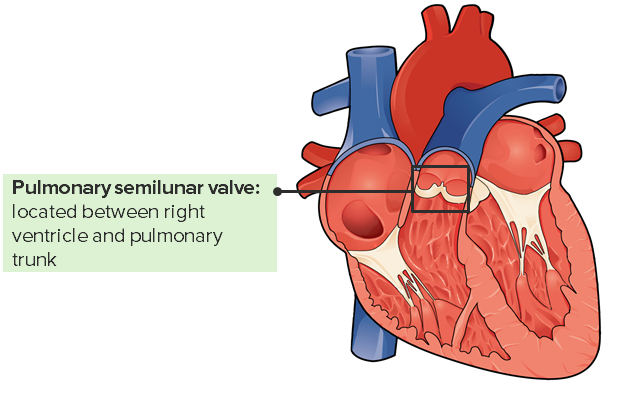
As doenças valvulares podem surgir na válvula pulmonar, localizada entre o ventrículo direito (VD) e a artéria pulmonar (AP). As doenças valvulares são diagnosticados com ecocardiograma. A estenose pulmonar ( EP EP Ectopic pregnancy refers to the implantation of a fertilized egg (embryo) outside the uterine cavity. The main cause is disruption of the normal anatomy of the fallopian tube. Ectopic Pregnancy) é um estreitamento valvular que causa obstrução do trato de saída do VD. Os pacientes são frequentemente assintomáticos, a não ser que tenham outras anomalias cardíacas congénitas ou EP EP Ectopic pregnancy refers to the implantation of a fertilized egg (embryo) outside the uterine cavity. The main cause is disruption of the normal anatomy of the fallopian tube. Ectopic Pregnancy grave. Os sintomas (dispneia de esforço, dor torácica e síncope) devem-se à falência do VD. A EP EP Ectopic pregnancy refers to the implantation of a fertilized egg (embryo) outside the uterine cavity. The main cause is disruption of the normal anatomy of the fallopian tube. Ectopic Pregnancy grave é tratada cirurgicamente.

Last updated: Dec 15, 2025

Editorial responsibility: Stanley Oiseth, Lindsay Jones, Evelin Maza

Descrição Geral

Anatomia

Válvula pulmonar:

  • Válvula semilunar entre o ventrículo direito (VD) e a artéria pulmonar (AP)
  • É constituída por 3 cúspides: anterior, esquerda e direita.
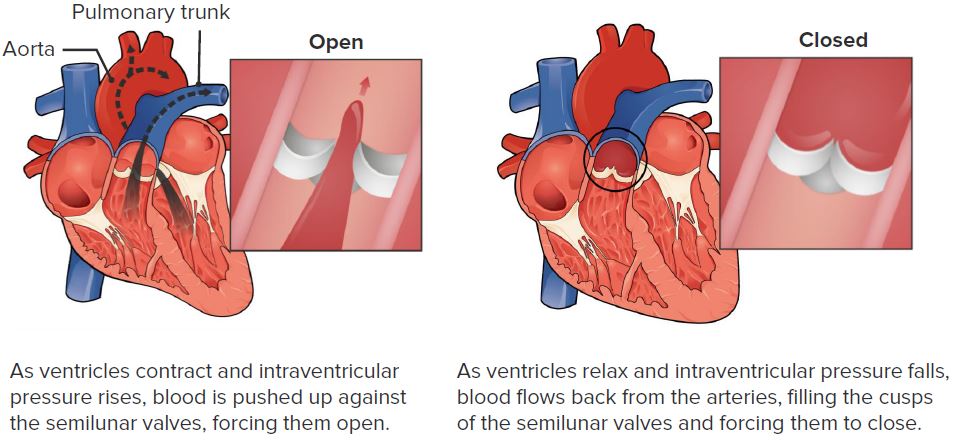
  • Encontra-se aberta durante a sístole, enquanto a pressão do VD excede a pressão do tronco pulmonar
  • Encerra durante a diástole, à medida que a pressão do VD diminui ( S2 S2 Heart Sounds), evitando o fluxo retrógrado do tronco pulmonar
Tabela: Descrição geral das doenças valvulares pulmonares
Estenose Pulmonar ( EP EP Ectopic pregnancy refers to the implantation of a fertilized egg (embryo) outside the uterine cavity. The main cause is disruption of the normal anatomy of the fallopian tube. Ectopic Pregnancy) Regurgitação Pulmonar (RP)
Etiologia Sobretudo congénita Sobretudo adquirida
Sopro Sopro sistólico, audível no bordo esternal superior esquerdo (precedido por um clique sistólico que diminui com a inspiração) Sopro diastólico, audível no bordo esternal superior esquerdo, que aumenta com a inspiração
S2 S2 Heart Sounds Desdobramento de S2 S2 Heart Sounds com um P2 suave e retardado Desdobramento de S2 S2 Heart Sounds com um P2 acentuado
Achados no ecocardiograma Folhetos espessos em cúpula, com aumento da velocidade sistólica através da válvula, HVD Anomalias valvulares (dependendo da etiologia), aumento do VD e uma regurgitação em jato na via de saída do ventrículo direito.
VD: ventrículo direito
HVD: hipertrofia do ventrículo direito

Definição e Epidemiologia

Definição

A estenose pulmonar é o estreitamento da válvula pulmonar que causa:
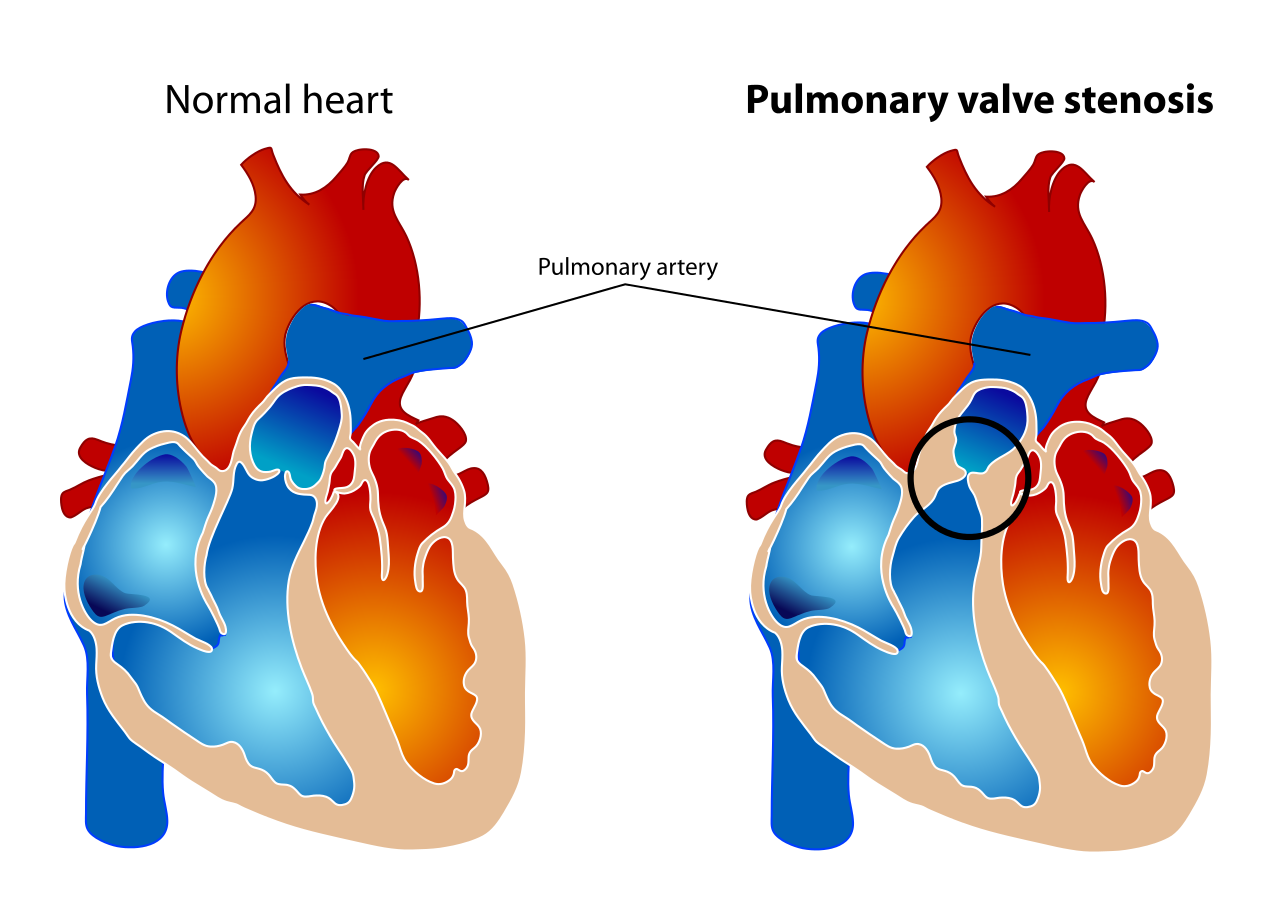
  • Um aumento no gradiente de pressão através da válvula
  • Uma obstrução ao fluxo do VD para a AP
Estenose da válvula pulmonar

Diferenciação do coração normal com uma válvula pulmonar normal e de um coração com estenose da válvula pulmonar

Imagem: “Pulmonary valve stenosis” por LadyofHats. Licença: Public domain.
  • Afeta 7% das crianças com cardiopatias congénitas
  • EP EP Ectopic pregnancy refers to the implantation of a fertilized egg (embryo) outside the uterine cavity. The main cause is disruption of the normal anatomy of the fallopian tube. Ectopic Pregnancy ligeira: bom prognóstico, sem diferenças em relação à população não afetada
  • EP EP Ectopic pregnancy refers to the implantation of a fertilized egg (embryo) outside the uterine cavity. The main cause is disruption of the normal anatomy of the fallopian tube. Ectopic Pregnancy severa:
    • Sem tratamento, evolui para a obstrução do trato de saída do VD
    • A maioria dos pacientes afetados requer intervenção em 10 anos após o diagnóstico

Etiologia e Classificação

Etiologia

  • Os casos são muitas vezes congénitos:
    • EP EP Ectopic pregnancy refers to the implantation of a fertilized egg (embryo) outside the uterine cavity. The main cause is disruption of the normal anatomy of the fallopian tube. Ectopic Pregnancy isolada:
      • 10% das cardiopatias congénitas
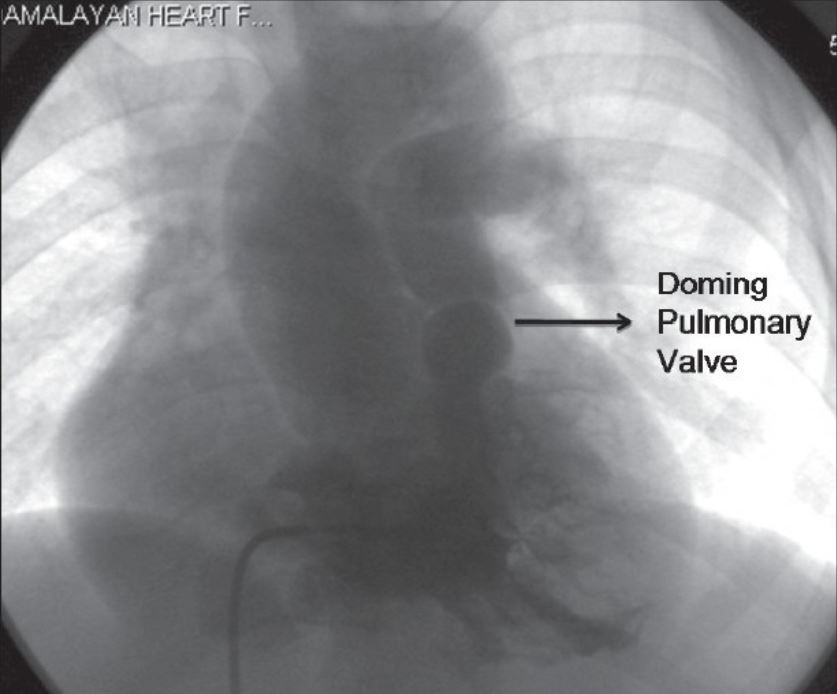
      • A válvula é tipicamente em forma de cúpula.
    • Outras formas congénitas:
      • Como parte da síndrome de Noonan:
        • 50% dos casos estão associados à mutação do gene Gene A category of nucleic acid sequences that function as units of heredity and which code for the basic instructions for the development, reproduction, and maintenance of organisms. Basic Terms of Genetics PTPN11.
        • Normalmente com válvulas displásicas
      • Tetralogia de Fallot (TF):
      • Síndrome da rubéola congénita
  • EP EP Ectopic pregnancy refers to the implantation of a fertilized egg (embryo) outside the uterine cavity. The main cause is disruption of the normal anatomy of the fallopian tube. Ectopic Pregnancy adquirida:
    • Síndrome carcinoide
    • Doença cardíaca reumática (raramente envolve EP EP Ectopic pregnancy refers to the implantation of a fertilized egg (embryo) outside the uterine cavity. The main cause is disruption of the normal anatomy of the fallopian tube. Ectopic Pregnancy)
    • Cirurgias cardiotorácicas prévias
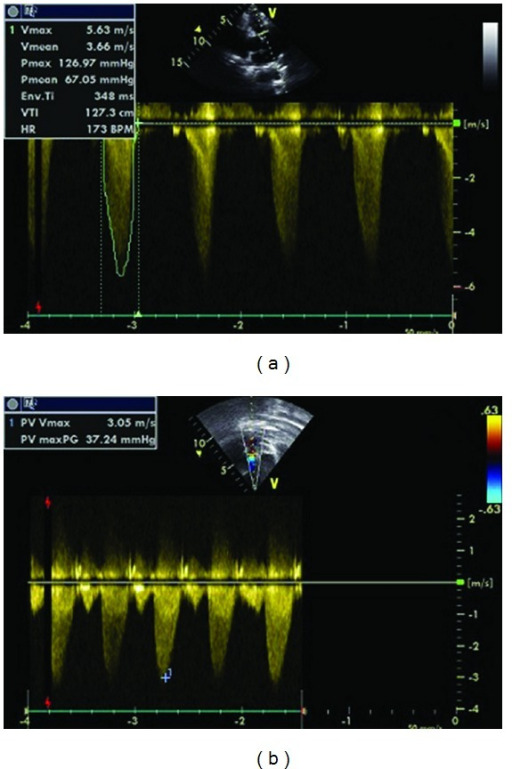
Tetralogia de Fallot

Comparação entre o coração normal e um coração com TF: estenose da válvula pulmonar, cavalgamento da aorta, HVD, CIV

Imagem: “Tetralogy of Fallot” por LadyofHats. Licença: Public domain.
Tipos de estenose

  • EP EP Ectopic pregnancy refers to the implantation of a fertilized egg (embryo) outside the uterine cavity. The main cause is disruption of the normal anatomy of the fallopian tube. Ectopic Pregnancy valvular:
    • Válvula estreita ou espessada
    • Tipo mais MAIS Androgen Insensitivity Syndrome comum
    • Associada a TF, síndrome da rubéola congénita, síndrome de Noonan, EP EP Ectopic pregnancy refers to the implantation of a fertilized egg (embryo) outside the uterine cavity. The main cause is disruption of the normal anatomy of the fallopian tube. Ectopic Pregnancy adquirida a partir de síndrome carcinoide
  • EP EP Ectopic pregnancy refers to the implantation of a fertilized egg (embryo) outside the uterine cavity. The main cause is disruption of the normal anatomy of the fallopian tube. Ectopic Pregnancy subvalvular infundibular:
    • Estreitamento fibromuscular da região infundibular, com válvula normal
    • Rara
    • Pode ser encontrado com outras lesões congénitas (TF, CIV)
  • EP EP Ectopic pregnancy refers to the implantation of a fertilized egg (embryo) outside the uterine cavity. The main cause is disruption of the normal anatomy of the fallopian tube. Ectopic Pregnancy supravalvular (ou periférica):
    • Estreitamento da AP principal ou dos seus ramos, até à periferia
    • Ouvem-se sopros sobre os pulmões
    • Forma ligeira: não patológica, com sopro resolvido aos 6 meses de idade
    • Associada a síndrome da rubéola congénita ou outras anomalias (TF, persistência do canal arterial, CIV)

Fisiopatologia e Apresentação Clínica

Fisiopatologia

  • A EP EP Ectopic pregnancy refers to the implantation of a fertilized egg (embryo) outside the uterine cavity. The main cause is disruption of the normal anatomy of the fallopian tube. Ectopic Pregnancy causa obstrução sustentada da via de saída, o que aumenta a pós-carga do ventrículo direito.
  • O VD é menos adaptável que o ventrículo esquerdo, com aumentos precoces das pressões; assim, com pressões sistólicas mais MAIS Androgen Insensitivity Syndrome baixas, ocorre HVD.
  • A pressão na aurícula direita ( AD AD The term advance directive (AD) refers to treatment preferences and/or the designation of a surrogate decision-maker in the event that a person becomes unable to make medical decisions on their own behalf. Advance directives represent the ethical principle of autonomy and may take the form of a living will, health care proxy, durable power of attorney for health care, and/or a physician’s order for life-sustaining treatment. Advance Directives) aumenta como resultado da pressão elevada do VD.
  • Fase tardia da doença: aumento persistente do esforço do VD → ocorre disfunção do VD → eventual falência do VD
  • Outras complicações: arritmia, endocardite infeciosa

Sintomas

  • Frequentemente assintomáticos na doença ligeira a moderada (maioria dos pacientes)
  • EP EP Ectopic pregnancy refers to the implantation of a fertilized egg (embryo) outside the uterine cavity. The main cause is disruption of the normal anatomy of the fallopian tube. Ectopic Pregnancy severa:
    • Quanto mais MAIS Androgen Insensitivity Syndrome grave for a obstrução, mais MAIS Androgen Insensitivity Syndrome cedo é detetada.
    • Fadiga e dispneia de esforço
    • Toracalgia anginosa devido à disparidade entre a oferta e as necessidades de oxigénio.
    • Síncope especialmente quando acompanhada de fatores desencadeadores (por exemplo, fibrilhação auricular, infeção)

Sinais

  • Onda a proeminente no pulso venoso jugular (contração auricular forte)
  • Sons cardíacos:
    • Um sopro sistólico agudo em crescendo-decrescendo (forma de losango) ouvido no bordo esternal superior esquerdo (2º espaço intercostal)
    • Sopro precedido por um clique de ejeção pulmonar, que diminui com a inspiração (o único som do lado direito que diminui com a inspiração)
    • P2 retardado (desdobramento amplo de S2 S2 Heart Sounds)
    • Presença de S3 S3 Heart Sounds, S4 S4 Heart Sounds no lado direito (falência do VD)
  • Elevação paraesternal esquerda (pela HVD) na EP EP Ectopic pregnancy refers to the implantation of a fertilized egg (embryo) outside the uterine cavity. The main cause is disruption of the normal anatomy of the fallopian tube. Ectopic Pregnancy grave
  • Cianose naqueles com shunt direita-esquerda (por exemplo, comunicação interauricular)
  • Muito tarde no curso da doença: edema Edema Edema is a condition in which excess serous fluid accumulates in the body cavity or interstitial space of connective tissues. Edema is a symptom observed in several medical conditions. It can be categorized into 2 types, namely, peripheral (in the extremities) and internal (in an organ or body cavity). Edema periférico, hepatomegalia, ascite

Diagnóstico

  • Ecocardiograma transtorácico (ETT) com Doppler Doppler Ultrasonography applying the doppler effect, with frequency-shifted ultrasound reflections produced by moving targets (usually red blood cells) in the bloodstream along the ultrasound axis in direct proportion to the velocity of movement of the targets, to determine both direction and velocity of blood flow. Ultrasound (Sonography):
    • O ecocardiograma bidimensional (2D) e Doppler Doppler Ultrasonography applying the doppler effect, with frequency-shifted ultrasound reflections produced by moving targets (usually red blood cells) in the bloodstream along the ultrasound axis in direct proportion to the velocity of movement of the targets, to determine both direction and velocity of blood flow. Ultrasound (Sonography) confirma o diagnóstico.
    • Achados:
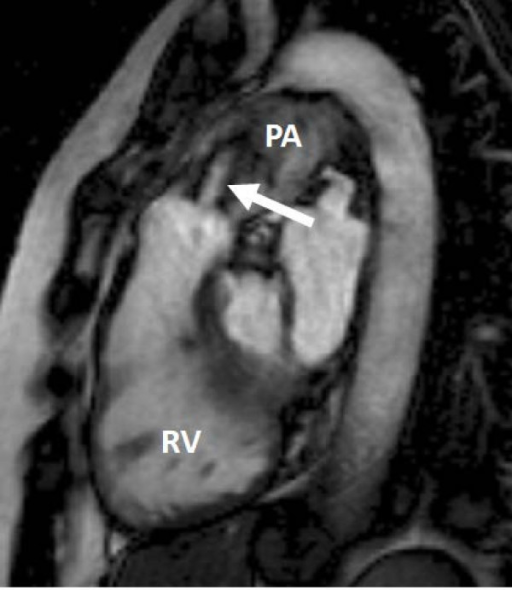
      • Espessamento da válvula pulmonar, válvulas em cúpula
      • HVD, trato de saída do VD estreito
      • Dilatação pós-estenótica da AP
      • Defeitos cardíacos associados
      • Aumento do gradiente transvalvular entre o VD e a AP
    • Classificação:
      • EP EP Ectopic pregnancy refers to the implantation of a fertilized egg (embryo) outside the uterine cavity. The main cause is disruption of the normal anatomy of the fallopian tube. Ectopic Pregnancy ligeira: gradiente de pico Doppler Doppler Ultrasonography applying the doppler effect, with frequency-shifted ultrasound reflections produced by moving targets (usually red blood cells) in the bloodstream along the ultrasound axis in direct proportion to the velocity of movement of the targets, to determine both direction and velocity of blood flow. Ultrasound (Sonography) < 30 mm Hg
      • EP EP Ectopic pregnancy refers to the implantation of a fertilized egg (embryo) outside the uterine cavity. The main cause is disruption of the normal anatomy of the fallopian tube. Ectopic Pregnancy moderada: gradiente de pico Doppler Doppler Ultrasonography applying the doppler effect, with frequency-shifted ultrasound reflections produced by moving targets (usually red blood cells) in the bloodstream along the ultrasound axis in direct proportion to the velocity of movement of the targets, to determine both direction and velocity of blood flow. Ultrasound (Sonography) de 30-50 mm Hg
      • EP EP Ectopic pregnancy refers to the implantation of a fertilized egg (embryo) outside the uterine cavity. The main cause is disruption of the normal anatomy of the fallopian tube. Ectopic Pregnancy grave: gradiente de pico Doppler Doppler Ultrasonography applying the doppler effect, with frequency-shifted ultrasound reflections produced by moving targets (usually red blood cells) in the bloodstream along the ultrasound axis in direct proportion to the velocity of movement of the targets, to determine both direction and velocity of blood flow. Ultrasound (Sonography) na válvula pulmonar de > 50 mm Hg
  • Ecocardiograma transesofágico (ETE):
    • Usar ao avaliar a presença de endocardite infeciosa.
    • Não está indicado para diagnóstico de rotina de EP EP Ectopic pregnancy refers to the implantation of a fertilized egg (embryo) outside the uterine cavity. The main cause is disruption of the normal anatomy of the fallopian tube. Ectopic Pregnancy
  • Eletrocardiograma ( ECG ECG An electrocardiogram (ECG) is a graphic representation of the electrical activity of the heart plotted against time. Adhesive electrodes are affixed to the skin surface allowing measurement of cardiac impulses from many angles. The ECG provides 3-dimensional information about the conduction system of the heart, the myocardium, and other cardiac structures. Electrocardiogram (ECG)):
    • Desvio direito do eixo, HVD, aumento da aurícula direita
    • Bloqueio de ramo direito
  • Raio-X do tórax:
    • Incidência frontal Frontal The bone that forms the frontal aspect of the skull. Its flat part forms the forehead, articulating inferiorly with the nasal bone and the cheek bone on each side of the face. Skull: Anatomy:
      • AP proeminente pela dilatação pós-estenótica
      • Elevação do ápice cardíaco do diafragma
      • Bordo do coração direito proeminente pelo alargamento da AD AD The term advance directive (AD) refers to treatment preferences and/or the designation of a surrogate decision-maker in the event that a person becomes unable to make medical decisions on their own behalf. Advance directives represent the ethical principle of autonomy and may take the form of a living will, health care proxy, durable power of attorney for health care, and/or a physician’s order for life-sustaining treatment. Advance Directives
    • Incidência lateral: preenchimento do espaço retroesternal pelo aumento do VD
  • Ressonância magnética cardíaca:
    • Uma opção se o ETT estiver subótimo
    • Avalia a gravidade das anomalias da válvula e o fluxo da AP
    • Delineia a anatomia da AP e do coração direito
  • Cateterismo cardíaco e angiografia pulmonar:
    • Não são necessários para o diagnóstico de EP EP Ectopic pregnancy refers to the implantation of a fertilized egg (embryo) outside the uterine cavity. The main cause is disruption of the normal anatomy of the fallopian tube. Ectopic Pregnancy
    • Realizados se os achados clínicos e ecocardiográficos forem inconclusivos
    • Fornece informações sobre anomalias congénitas concomitantes

Tratamento

  • Monitorização:
    • Assintomático, com pico de gradiente de Doppler Doppler Ultrasonography applying the doppler effect, with frequency-shifted ultrasound reflections produced by moving targets (usually red blood cells) in the bloodstream along the ultrasound axis in direct proportion to the velocity of movement of the targets, to determine both direction and velocity of blood flow. Ultrasound (Sonography) < 30 mm Hg: exame físico, ecocardiograma Doppler Doppler Ultrasonography applying the doppler effect, with frequency-shifted ultrasound reflections produced by moving targets (usually red blood cells) in the bloodstream along the ultrasound axis in direct proportion to the velocity of movement of the targets, to determine both direction and velocity of blood flow. Ultrasound (Sonography), ECG ECG An electrocardiogram (ECG) is a graphic representation of the electrical activity of the heart plotted against time. Adhesive electrodes are affixed to the skin surface allowing measurement of cardiac impulses from many angles. The ECG provides 3-dimensional information about the conduction system of the heart, the myocardium, and other cardiac structures. Electrocardiogram (ECG) a cada 5 anos
    • Assintomático, com pico de gradiente de Doppler Doppler Ultrasonography applying the doppler effect, with frequency-shifted ultrasound reflections produced by moving targets (usually red blood cells) in the bloodstream along the ultrasound axis in direct proportion to the velocity of movement of the targets, to determine both direction and velocity of blood flow. Ultrasound (Sonography) > 30 mm Hg: ecocardiograma com Doppler Doppler Ultrasonography applying the doppler effect, with frequency-shifted ultrasound reflections produced by moving targets (usually red blood cells) in the bloodstream along the ultrasound axis in direct proportion to the velocity of movement of the targets, to determine both direction and velocity of blood flow. Ultrasound (Sonography) a cada 2-5 anos
  • Diuréticos: para sintomas de sobrecarga do VD
  • Valvotomia percutânea com balão:
    • Pacientes sintomáticos com uma válvula em cúpula e um pico de gradiente > 50 mm Hg (ou um gradiente médio > 30 mm Hg)
    • Pacientes assintomáticos com um pico de gradiente > 60 mm Hg (ou um gradiente médio > 40 mm Hg)
  • Valvotomia cirúrgica para a EP EP Ectopic pregnancy refers to the implantation of a fertilized egg (embryo) outside the uterine cavity. The main cause is disruption of the normal anatomy of the fallopian tube. Ectopic Pregnancy grave associada a:
    • Anel pulmonar hipoplásico
    • Regurgitação pulmonar severa
    • EP EP Ectopic pregnancy refers to the implantation of a fertilized egg (embryo) outside the uterine cavity. The main cause is disruption of the normal anatomy of the fallopian tube. Ectopic Pregnancy subvalvular
    • A maioria das válvulas displásicas
    • Regurgitação tricúspide severa
    • Doença cardíaca cirúrgica que requer intervenção

Relevância Clínica

  • TF: cardiopatia congénita cianótica caracterizada pela tétrade de HVD, cavalgamento da aorta Aorta The main trunk of the systemic arteries. Mediastinum and Great Vessels: Anatomy, estenose da válvula pulmonar e comunicação interventricular. A TF corrigida cirurgicamente é uma causa comum de regurgitação pulmonar subsequente.
  • Atresia Atresia Hypoplastic Left Heart Syndrome (HLHS) pulmonar: cardiopatia cianótica congénita rara, caracterizada pela falência na formação da válvula pulmonar, levando à hipoplasia subsequente do VD. A atresia Atresia Hypoplastic Left Heart Syndrome (HLHS) pulmonar pode ocorrer como parte da forma mais MAIS Androgen Insensitivity Syndrome grave de TF (com CIV), onde todo o fluxo de saída do VD entra na aorta Aorta The main trunk of the systemic arteries. Mediastinum and Great Vessels: Anatomy.
  • Síndrome carcinoide: pequenos tumores neuroendócrinos de crescimento lento. Os tumores estão associados à produção não regulada de hormonas vasoativas, induzindo o desenvolvimento de placas endocárdicas fibrosas e levando a anomalias pulmonares e da válvula tricúspide.
  • Febre reumática: complicação tardia de faringite estreptocócica não tratada, caracterizada por defeitos valvulares, frequentemente com envolvimento do coração esquerdo. Embora seja raro, a válvula pulmonar pode ser afetada concomitantemente com a válvula mitral.

Referências

  1. Hoit, B.D. (2017). Tricuspid & pulmonic valve disease. Crawford M.H. (Ed.), Current, Diagnosis & Treatment: Cardiology, 5th ed. McGraw-Hill.
  2. Jone, P., Kim, J.S., Alvensleben, J., & Burkett, D. (2020). Cardiovascular diseases. In Hay Jr., W.W., Levin, M.J., Abzug, M.J., & Bunik, M (Eds.), Current Diagnosis & Treatment: Pediatrics, 25th ed. McGraw-Hill.
  3. Loewenthal, M., & O’Connor, R. (2023). Pulmonic valvular stenosis. Medscape. Retrieved on April 23, 2025, from https://emedicine.medscape.com/article/759890-overview
  4. O’Gara P.T., & Loscalzo, J. (2018). Pulmonic valve disease. In Jameson, J., Fauci, A.S., Kasper, D.L., Hauser, S.L., Longo, D.L., & Loscalzo, J. (Eds.) Harrison’s Principles of Internal Medicine, 20th ed. McGraw-Hill.
  5. Stout, K. (2024). Pulmonic valve stenosis in adults: Management. UpToDate. In H. M. Connolly (Ed.), S. B. Yeon (Deputy Ed.). Retrieved April 23, 2025, from https://www.uptodate.com/contents/pulmonic-valve-stenosis-in-adults-management
  6. Sundjaja, J., & Bordoni, B. (2023) Anatomy, Thorax, Heart, Pulmonic valve. Retrieved on April 23, 2025, from https://www.ncbi.nlm.nih.gov/books/NBK547706/
  7. Ren, X., & Lange, R. (2020) Pulmonic Stenosis. Medscape. Retrieved on April 23, 2025, from https://emedicine.medscape.com/article/157737-overview
  8. Marelli, A. J., & Aboulhosn, J. A. (2023). Perloff’s clinical recognition of congenital heart disease (7th ed.). Elsevier.

Crie sua conta gratuita ou faça login para continuar lendo!

Cadastre-se agora e tenha acesso grátis ao Lecturio, com páginas de conceitos, vídeos de medicina e questões para sua educação médica.

Aprende mais com a Lecturio:

Multiple devices displaying human anatomy and health education content.

Complementa o teu estudo da faculdade com o companheiro de estudo tudo-em-um da Lecturio, através de métodos de ensino baseados em evidência.

Estuda onde quiseres

Two iPhones display medical education apps, one showing anatomy, the other Bookmatcher.

A Lecturio Medical complementa o teu estudo através de métodos de ensino baseados em evidência, vídeos de palestras, perguntas e muito mais – tudo combinado num só lugar e fácil de usar.

User Reviews

Have a holly, jolly study session 🎁 Save 50% on all plans now >>

Que tengas una sesión de estudio alegre y navideña 🎁 Ahorra 50% en todos los planes >>

Details