


Deficiência de Aromatase

A deficiência de aromatase Aromatase An enzyme that catalyzes the desaturation (aromatization) of the ring a of C19 androgens and converts them to C18 estrogens. In this process, the 19-methyl is removed. This enzyme is membrane-bound, located in the endoplasmic reticulum of estrogen-producing cells of ovaries, placenta, testes, adipose, and brain tissues. Aromatase is encoded by the cyp19 gene, and functions in complex with NADPH-ferrihemoprotein reductase in the cytochrome p450 system. Adipose Tissue: Histology é uma doença genética muito rara com hereditariedade autossómica recessiva. A deficiência de aromatase Aromatase An enzyme that catalyzes the desaturation (aromatization) of the ring a of C19 androgens and converts them to C18 estrogens. In this process, the 19-methyl is removed. This enzyme is membrane-bound, located in the endoplasmic reticulum of estrogen-producing cells of ovaries, placenta, testes, adipose, and brain tissues. Aromatase is encoded by the cyp19 gene, and functions in complex with NADPH-ferrihemoprotein reductase in the cytochrome p450 system. Adipose Tissue: Histology caracteriza-se pela privação congénita de estrogénio com níveis aumentados de testosterona devido à diminuição dos níveis da enzima aromatase Aromatase An enzyme that catalyzes the desaturation (aromatization) of the ring a of C19 androgens and converts them to C18 estrogens. In this process, the 19-methyl is removed. This enzyme is membrane-bound, located in the endoplasmic reticulum of estrogen-producing cells of ovaries, placenta, testes, adipose, and brain tissues. Aromatase is encoded by the cyp19 gene, and functions in complex with NADPH-ferrihemoprotein reductase in the cytochrome p450 system. Adipose Tissue: Histology. As mulheres afetadas apresentam desenvolvimento anormal da genitália externa, virilização, amenorreia primária e estatura alta. Os homens geralmente desenvolvem sintomas numa fase mais MAIS Androgen Insensitivity Syndrome tardia da vida, incluindo hiperinsulinemia e distúrbios do metabolismo lipídico. Os indivíduos afetados pela deficiência de aromatase Aromatase An enzyme that catalyzes the desaturation (aromatization) of the ring a of C19 androgens and converts them to C18 estrogens. In this process, the 19-methyl is removed. This enzyme is membrane-bound, located in the endoplasmic reticulum of estrogen-producing cells of ovaries, placenta, testes, adipose, and brain tissues. Aromatase is encoded by the cyp19 gene, and functions in complex with NADPH-ferrihemoprotein reductase in the cytochrome p450 system. Adipose Tissue: Histology têm um risco aumentado de desenvolver osteoporose. O tratamento envolve terapia de reposição hormonal.

Last updated: Dec 15, 2025
Editorial responsibility: Stanley Oiseth, Lindsay Jones, Evelin Maza

Descrição Geral

Epidemiologia

  • Prevalência desconhecida
  • Até ao momento foram relatados cerca de 30 casos em todo o mundo.

Genética

  • Cariótipo: normal
  • Etiologia: mutação no gene Gene A category of nucleic acid sequences that function as units of heredity and which code for the basic instructions for the development, reproduction, and maintenance of organisms. Basic Terms of Genetics CYP19A1, que desempenha um papel importante na síntese da enzima aromatase Aromatase An enzyme that catalyzes the desaturation (aromatization) of the ring a of C19 androgens and converts them to C18 estrogens. In this process, the 19-methyl is removed. This enzyme is membrane-bound, located in the endoplasmic reticulum of estrogen-producing cells of ovaries, placenta, testes, adipose, and brain tissues. Aromatase is encoded by the cyp19 gene, and functions in complex with NADPH-ferrihemoprotein reductase in the cytochrome p450 system. Adipose Tissue: Histology
  • Padrão de hereditariedade: autossómico recessivo

Fisiopatologia

  • A enzima aromatase Aromatase An enzyme that catalyzes the desaturation (aromatization) of the ring a of C19 androgens and converts them to C18 estrogens. In this process, the 19-methyl is removed. This enzyme is membrane-bound, located in the endoplasmic reticulum of estrogen-producing cells of ovaries, placenta, testes, adipose, and brain tissues. Aromatase is encoded by the cyp19 gene, and functions in complex with NADPH-ferrihemoprotein reductase in the cytochrome p450 system. Adipose Tissue: Histology é necessária para converter os androgénios (incluindo testosterona) em estrogénios.
    • Normalmente, a aromatase Aromatase An enzyme that catalyzes the desaturation (aromatization) of the ring a of C19 androgens and converts them to C18 estrogens. In this process, the 19-methyl is removed. This enzyme is membrane-bound, located in the endoplasmic reticulum of estrogen-producing cells of ovaries, placenta, testes, adipose, and brain tissues. Aromatase is encoded by the cyp19 gene, and functions in complex with NADPH-ferrihemoprotein reductase in the cytochrome p450 system. Adipose Tissue: Histology está presente na placenta Placenta A highly vascularized mammalian fetal-maternal organ and major site of transport of oxygen, nutrients, and fetal waste products. It includes a fetal portion (chorionic villi) derived from trophoblasts and a maternal portion (decidua) derived from the uterine endometrium. The placenta produces an array of steroid, protein and peptide hormones (placental hormones). Placenta, Umbilical Cord, and Amniotic Cavity, nos ovários, nos testículos, no tecido adiposo, na pele e no cérebro.
    • Os níveis de estrogénio são mantidos pela atividade da aromatase Aromatase An enzyme that catalyzes the desaturation (aromatization) of the ring a of C19 androgens and converts them to C18 estrogens. In this process, the 19-methyl is removed. This enzyme is membrane-bound, located in the endoplasmic reticulum of estrogen-producing cells of ovaries, placenta, testes, adipose, and brain tissues. Aromatase is encoded by the cyp19 gene, and functions in complex with NADPH-ferrihemoprotein reductase in the cytochrome p450 system. Adipose Tissue: Histology nos ovários das mulheres em idade reprodutiva e no tecido adiposo dos homens e mulheres na pós-menopausa.
  • A mutação causa ↓ produção da enzima aromatase Aromatase An enzyme that catalyzes the desaturation (aromatization) of the ring a of C19 androgens and converts them to C18 estrogens. In this process, the 19-methyl is removed. This enzyme is membrane-bound, located in the endoplasmic reticulum of estrogen-producing cells of ovaries, placenta, testes, adipose, and brain tissues. Aromatase is encoded by the cyp19 gene, and functions in complex with NADPH-ferrihemoprotein reductase in the cytochrome p450 system. Adipose Tissue: Histology → compromisso da biossíntese de estrogénio devido à incapacidade de converter androgénios em estrogénio → ↓ estrogénio e testosterona
  • A placenta Placenta A highly vascularized mammalian fetal-maternal organ and major site of transport of oxygen, nutrients, and fetal waste products. It includes a fetal portion (chorionic villi) derived from trophoblasts and a maternal portion (decidua) derived from the uterine endometrium. The placenta produces an array of steroid, protein and peptide hormones (placental hormones). Placenta, Umbilical Cord, and Amniotic Cavity de um feto em desenvolvimento com deficiência de aromatase Aromatase An enzyme that catalyzes the desaturation (aromatization) of the ring a of C19 androgens and converts them to C18 estrogens. In this process, the 19-methyl is removed. This enzyme is membrane-bound, located in the endoplasmic reticulum of estrogen-producing cells of ovaries, placenta, testes, adipose, and brain tissues. Aromatase is encoded by the cyp19 gene, and functions in complex with NADPH-ferrihemoprotein reductase in the cytochrome p450 system. Adipose Tissue: Histology também carece de aromatase Aromatase An enzyme that catalyzes the desaturation (aromatization) of the ring a of C19 androgens and converts them to C18 estrogens. In this process, the 19-methyl is removed. This enzyme is membrane-bound, located in the endoplasmic reticulum of estrogen-producing cells of ovaries, placenta, testes, adipose, and brain tissues. Aromatase is encoded by the cyp19 gene, and functions in complex with NADPH-ferrihemoprotein reductase in the cytochrome p450 system. Adipose Tissue: Histology.
  • A placenta Placenta A highly vascularized mammalian fetal-maternal organ and major site of transport of oxygen, nutrients, and fetal waste products. It includes a fetal portion (chorionic villi) derived from trophoblasts and a maternal portion (decidua) derived from the uterine endometrium. The placenta produces an array of steroid, protein and peptide hormones (placental hormones). Placenta, Umbilical Cord, and Amniotic Cavity não consegue converter os androgénios precursores em estrogénios → o sulfato de deidroepiandrosterona (DHEAS) das glândulas adrenais fetais é convertido em testosterona e androstenediona ao invés de estrogénio.
  • Os androgénios desinibidos e excessivos causam a virilização do feto feminino e da mãe.

Apresentação Clínica

Fenótipo clínico

  • Características da mãe
    • A virilização começa durante a gravidez, entre a 12ª e a 30ª semana de gestação:
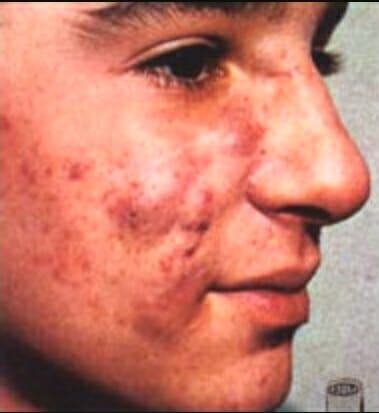
      • Acne
      • Intensificação da voz
      • Hirsutismo (crescimento excessivo de pelo num padrão masculino)
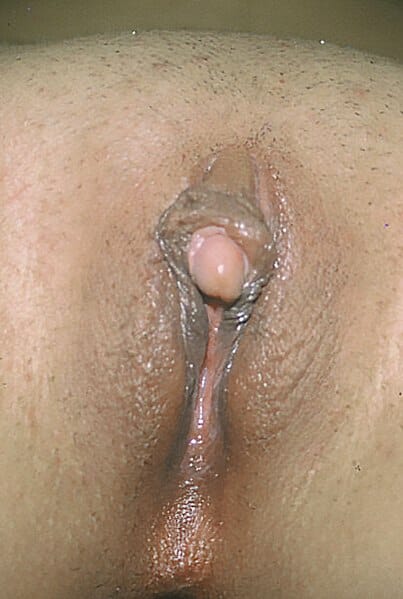
      • Clitoromegalia
    • Os sintomas desaparecem espontaneamente logo após o parto.
  • Características das mulheres (46,XX):
    • Pseudo-hermafroditismo (genitália externa semelhante à do sexo oposto)
    • Genitália ambígua/masculinizada observada ao nascimento
      • Fusão labioescrotal
      • Falo muito aumentado com um meato único na base
      • Apresenta-se na 12ª semana de gestação
    • Órgãos reprodutores femininos presentes
    • Crescimento e desenvolvimento normais na primeira infância e na infância
    • Sinais de falta de estrogénio e testosterona excessiva observados na puberdade
      • Ausência de pico de crescimento
      • Virilização progressiva
      • Atraso ou ausência de início da puberdade
      • Ausência de desenvolvimento mamário
      • Amenorreia primária
      • Hipogonadismo hipergonadotrófico: ↑ hormona folículo-estimulante ( FSH FSH A major gonadotropin secreted by the adenohypophysis. Follicle-stimulating hormone stimulates gametogenesis and the supporting cells such as the ovarian granulosa cells, the testicular sertoli cells, and leydig cells. Fsh consists of two noncovalently linked subunits, alpha and beta. Within a species, the alpha subunit is common in the three pituitary glycoprotein hormones (TSH, LH, and FSH), but the beta subunit is unique and confers its biological specificity. Menstrual Cycle) e hormona luteinizante ( LH LH A major gonadotropin secreted by the adenohypophysis. Luteinizing hormone regulates steroid production by the interstitial cells of the testis and the ovary. The preovulatory luteinizing hormone surge in females induces ovulation, and subsequent luteinization of the follicle. Luteinizing hormone consists of two noncovalently linked subunits, alpha and beta. Within a species, the alpha subunit is common in the three pituitary glycoprotein hormones (TSH, LH, and FSH), but the beta subunit is unique and confers its biological specificity. Menstrual Cycle) com ↓ níveis de estrogénio
      • Clitoromegalia
      • Acne
      • Desenvolvimento normal de pelos púbicos e axilares
  • Características dos homens (46,XY):
    • Estatura alta com crescimento linear contínuo até a idade adulta
    • Sem pico de crescimento pubertário
    • Habitus do corpo eunucoide (membros desproporcionalmente longos em relação ao tronco)
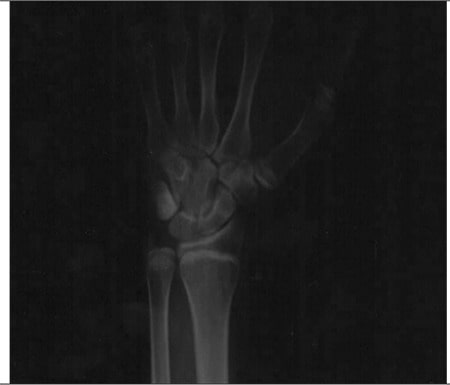
    • Atraso no encerramento epifisário
    • Genu valgo progressivo (“joelhos para dentro”)
    • Genitália externa masculina normal
    • Desenvolvimento e maturação sexual normais
    • Pode ter baixa libido na idade adulta
    • Possível criptorquidia (testículos que não desceram)
    • Níveis variáveis de espermatogénese e fertilidade

Doenças associadas

  • Osteoporose em homens e mulheres devido à deficiência de estrogénio
  • Intolerância à glicose/ diabetes Diabetes Diabetes mellitus (DM) is a metabolic disease characterized by hyperglycemia and dysfunction of the regulation of glucose metabolism by insulin. Type 1 DM is diagnosed mostly in children and young adults as the result of autoimmune destruction of β cells in the pancreas and the resulting lack of insulin. Type 2 DM has a significant association with obesity and is characterized by insulin resistance. Diabetes Mellitus
  • Dislipidemia
  • Obesidade
  • Esteatose hepática
  • Acantose nigricans (pele espessada e escurecida)

Diagnóstico e Tratamento

Diagnóstico

  • História e exame físico
  • Estudo analítico:
    • Mulheres grávidas
      • ↓↓ Níveis de estriol Estriol A hydroxylated metabolite of estradiol or estrogen that has a hydroxyl group at C3, 16-alpha, and 17-beta position. Estriol is a major urinary estrogen. During pregnancy, a large amount of estriol is produced by the placenta. Isomers with inversion of the hydroxyl group or groups are called epiestriol. Noncontraceptive Estrogen and Progestins e estradiol Estradiol The 17-beta-isomer of estradiol, an aromatized C18 steroid with hydroxyl group at 3-beta- and 17-beta-position. Estradiol-17-beta is the most potent form of mammalian estrogenic steroids. Noncontraceptive Estrogen and Progestins
      • ↑↑ Concentração de testosterona
    • Meninas na primeira infância/infância
      • FSH FSH A major gonadotropin secreted by the adenohypophysis. Follicle-stimulating hormone stimulates gametogenesis and the supporting cells such as the ovarian granulosa cells, the testicular sertoli cells, and leydig cells. Fsh consists of two noncovalently linked subunits, alpha and beta. Within a species, the alpha subunit is common in the three pituitary glycoprotein hormones (TSH, LH, and FSH), but the beta subunit is unique and confers its biological specificity. Menstrual Cycle
      • Níveis indetetáveis de estrogénio
    • Meninas na puberdade
      • Níveis indetetáveis de estrogénio
      • ↑↑ FSH FSH A major gonadotropin secreted by the adenohypophysis. Follicle-stimulating hormone stimulates gametogenesis and the supporting cells such as the ovarian granulosa cells, the testicular sertoli cells, and leydig cells. Fsh consists of two noncovalently linked subunits, alpha and beta. Within a species, the alpha subunit is common in the three pituitary glycoprotein hormones (TSH, LH, and FSH), but the beta subunit is unique and confers its biological specificity. Menstrual Cycle e LH LH A major gonadotropin secreted by the adenohypophysis. Luteinizing hormone regulates steroid production by the interstitial cells of the testis and the ovary. The preovulatory luteinizing hormone surge in females induces ovulation, and subsequent luteinization of the follicle. Luteinizing hormone consists of two noncovalently linked subunits, alpha and beta. Within a species, the alpha subunit is common in the three pituitary glycoprotein hormones (TSH, LH, and FSH), but the beta subunit is unique and confers its biological specificity. Menstrual Cycle
      • ↑ Testosterona e androstenediona
    • Rapazes
      • FSH FSH A major gonadotropin secreted by the adenohypophysis. Follicle-stimulating hormone stimulates gametogenesis and the supporting cells such as the ovarian granulosa cells, the testicular sertoli cells, and leydig cells. Fsh consists of two noncovalently linked subunits, alpha and beta. Within a species, the alpha subunit is common in the three pituitary glycoprotein hormones (TSH, LH, and FSH), but the beta subunit is unique and confers its biological specificity. Menstrual Cycle e LH LH A major gonadotropin secreted by the adenohypophysis. Luteinizing hormone regulates steroid production by the interstitial cells of the testis and the ovary. The preovulatory luteinizing hormone surge in females induces ovulation, and subsequent luteinization of the follicle. Luteinizing hormone consists of two noncovalently linked subunits, alpha and beta. Within a species, the alpha subunit is common in the three pituitary glycoprotein hormones (TSH, LH, and FSH), but the beta subunit is unique and confers its biological specificity. Menstrual Cycle
      • ↑ Testosterona
      • Níveis indetetáveis de estrogénio
      • ↑ Insulina basal
      • ↓ Baixa relação de colesterol HDL/LDL com ↓↓ HDL
  • Imagiologia:
    • O urogenitograma pode mostrar seio urogenital (apenas 1 abertura/saída para ambos os tratos).
    • A ecografia mostra ovários poliquísticos aumentados.
    • As radiografias da pélvis e dos membros mostram ausência de fusão epifisária.
  • Testes Testes Gonadal Hormones genéticos

Tratamento

  • Mulheres:
    • Correção cirúrgica de genitália ambígua e seio urogenital, quando presente
    • Reposição de estrogénio com início precoce pelos 2 anos de idade com monitorização apertada:
      • Mantém a densidade óssea
      • Diminui a formação de quistos ováricos
      • Em excesso, pode acelerar a idade óssea e induzir o desenvolvimento mamário prematuro
    • O estrogénio aumenta na puberdade (10-12 anos de idade) para induzir:
      • Desenvolvimento mamário
      • Pico de crescimento (pode alcançar-se uma altura normal com tratamento)
      • Ciclos menstruais
      • Regressão de quistos ováricos
      • Aumento da densidade óssea
    • Terapia de reposição de progesterona adicionada dentro de 2 anos da reposição de estrogénio para níveis púberes para prevenir hiperplasia do endométrio
    • Os anticoncecionais orais combinados começam aproximadamente aos 14 anos de idade como terapia de manutenção
  • Homens:
    • Reposição transdérmica de estradiol Estradiol The 17-beta-isomer of estradiol, an aromatized C18 steroid with hydroxyl group at 3-beta- and 17-beta-position. Estradiol-17-beta is the most potent form of mammalian estrogenic steroids. Noncontraceptive Estrogen and Progestins com início por volta dos 14-16 anos de idade ou no momento do diagnóstico
    • A reposição de estrogénio é necessária para:
      • Encerramento epifisário
      • Aumento e manutenção da densidade óssea
      • Melhoria do desejo sexual
      • Melhoria da resistência à insulina
      • Melhoria do perfil lipídico
      • Normalização dos níveis de LH LH A major gonadotropin secreted by the adenohypophysis. Luteinizing hormone regulates steroid production by the interstitial cells of the testis and the ovary. The preovulatory luteinizing hormone surge in females induces ovulation, and subsequent luteinization of the follicle. Luteinizing hormone consists of two noncovalently linked subunits, alpha and beta. Within a species, the alpha subunit is common in the three pituitary glycoprotein hormones (TSH, LH, and FSH), but the beta subunit is unique and confers its biological specificity. Menstrual Cycle, FSH FSH A major gonadotropin secreted by the adenohypophysis. Follicle-stimulating hormone stimulates gametogenesis and the supporting cells such as the ovarian granulosa cells, the testicular sertoli cells, and leydig cells. Fsh consists of two noncovalently linked subunits, alpha and beta. Within a species, the alpha subunit is common in the three pituitary glycoprotein hormones (TSH, LH, and FSH), but the beta subunit is unique and confers its biological specificity. Menstrual Cycle e testosterona
    • Substituição de estrogénio ao longo da vida
    • É necessário monitorizar o desenvolvimento da ginecomastia.
  • Em todos os indivíduos:
    • Suplementação de cálcio e vitamina D
    • Aconselhamento genético

Diagnóstico Diferencial

  • Hermafroditismo verdadeiro: também conhecido como perturbação ovotesticular do desenvolvimento sexual (PODS). A doença é caracterizada pela presença de uma gónada ovotesticular que contém elementos ováricos e testiculares. Os pacientes apresentam genitália ambígua ao nascimento, com órgãos reprodutores masculinos e femininos que podem ser vistos nas imagens. O cariótipo e a biópsia gonadal ajudam a confirmar o diagnóstico. O tratamento envolve reconstrução cirúrgica, remoção da gónada anormal e terapia de reposição hormonal.
  • Hiperplasia adrenal congénita (HAC): consiste num grupo de doenças autossómicas recessivas que causam deficiência de uma enzima usada na síntese de cortisol Cortisol Glucocorticoids e/ou aldosterona. Esta deficiência resulta num aumento da formação de androgénios com virilização dos genitais femininos externos e é a causa mais MAIS Androgen Insensitivity Syndrome comum de genitália ambígua em indivíduos com genótipo feminino 46,XX. Todas as formas de HAC são caracterizadas por baixos níveis de cortisol Cortisol Glucocorticoids, altos níveis de hormona adrenocorticotrófica (ACTH) e hiperplasia adrenal. É necessário fazer-se correção cirúrgica da genitália ambígua e terapia de reposição de glucocorticoides vitalícia.

Referências

  1. Bulun S. E. (2014). Aromatase and estrogen receptor α deficiency. Fertility and sterility, 101(2), 323–329. https://doi.org/10.1016/j.fertnstert.2013.12.022
  2. (2020). Aromatase deficiency. MedlinePlus. Retrieved December 26, 2020. https://medlineplus.gov/genetics/condition/aromatase-deficiency/#causes
  3. (2020). Aromatase deficiency. Genetic and Rare Diseases Information Center. Retrieved December 26, 2020. https://rarediseases.info.nih.gov/diseases/365/aromatase-deficiency

Crie sua conta gratuita ou faça login para continuar lendo!

Cadastre-se agora e tenha acesso grátis ao Lecturio, com páginas de conceitos, vídeos de medicina e questões para sua educação médica.

Aprende mais com a Lecturio:

Multiple devices displaying human anatomy and health education content.

Complementa o teu estudo da faculdade com o companheiro de estudo tudo-em-um da Lecturio, através de métodos de ensino baseados em evidência.

Estuda onde quiseres

Two iPhones display medical education apps, one showing anatomy, the other Bookmatcher.

A Lecturio Medical complementa o teu estudo através de métodos de ensino baseados em evidência, vídeos de palestras, perguntas e muito mais – tudo combinado num só lugar e fácil de usar.

User Reviews

Have a holly, jolly study session 🎁 Save 50% on all plans now >>

Que tengas una sesión de estudio alegre y navideña 🎁 Ahorra 50% en todos los planes >>

Details