Domina Conceptos Médicos

Estudia para la escuela de medicina y tus examenes con Lecturio.

Dolor de Hombro Agudo

Las lesiones agudas de hombro son un motivo de consulta común a los LOS Neisseria médicos de atención primaria y la sala de emergencias. Las lesiones más comunes son las fracturas de clavícula, los LOS Neisseria esguinces y dislocaciones esternoclaviculares, los LOS Neisseria desgarros del manguito de los LOS Neisseria rotadores, las fracturas del húmero proximal, las fracturas escapulares, las dislocaciones glenohumerales y las lesiones de la articulación acromioclavicular. La evaluación del dolor Dolor Inflammation agudo de hombro requiere una comprensión del mecanismo de la lesión, así como una exploración física adecuada y estudios radiológicos necesarios en EN Erythema nodosum is an immune-mediated panniculitis (inflammation of the subcutaneous fat) caused by a type IV (delayed-type) hypersensitivity reaction. It commonly manifests in young women as tender, erythematous nodules on the shins. Erythema Nodosum el contexto agudo. Es esencial realizar un interrogatorio y una exploración física dirigidos que incluyan la inspección, la palpación y un examen neurovascular exhaustivo. La imagenología comienza con radiografías simples y, en EN Erythema nodosum is an immune-mediated panniculitis (inflammation of the subcutaneous fat) caused by a type IV (delayed-type) hypersensitivity reaction. It commonly manifests in young women as tender, erythematous nodules on the shins. Erythema Nodosum ocasiones, se complementa con imágenes de RM o TC. El tratamiento incluye el control del dolor Dolor Inflammation y varía en EN Erythema nodosum is an immune-mediated panniculitis (inflammation of the subcutaneous fat) caused by a type IV (delayed-type) hypersensitivity reaction. It commonly manifests in young women as tender, erythematous nodules on the shins. Erythema Nodosum función del diagnóstico.

Last updated: Dec 15, 2025

Editorial responsibility: Stanley Oiseth, Lindsay Jones, Evelin Maza

Anatomía: Generalidades

  • Anatomía enfocada de la articulación del hombro
  • El complejo del hombro está formado por múltiples articulaciones, huesos, ligamentos y tendones.
  • La articulación glenohumeral es la que tiene más movilidad de todas las articulaciones del cuerpo.
  • Articulación glenohumeral:
    • Sujeciones pasivas:
      • Cápsula articular
      • Ligamentos glenohumerales
      • Lábrum glenoideo
    • Estabilizadores activos:
      • Músculos del manguito rotador
      • Músculos periscapulares
  • Músculos del manguito rotador (estabilizadores activos):
    • Supraespinoso, infraespinoso, redondo menor, subescapular
    • Forma un manguito alrededor de la cabeza del húmero
    • Estabiliza la articulación a la vez que permite el movimiento
    • El supraespinoso es el tendón del manguito rotador que se rompe con más frecuencia.
  • El complejo del hombro también incluye:
    • Articulación acromioclavicular
    • Articulación esternoclavicular
    • Articulación escapulotorácica
    • Cabeza larga del tendón del bíceps
  • La evaluación de la columna cervical forma parte de la evaluación del dolor Dolor Inflammation de hombro.
  • El examen neurovascular minucioso es esencial después de un traumatismo en EN Erythema nodosum is an immune-mediated panniculitis (inflammation of the subcutaneous fat) caused by a type IV (delayed-type) hypersensitivity reaction. It commonly manifests in young women as tender, erythematous nodules on the shins. Erythema Nodosum la extremidad superior.

Mnemotecnia

Recuerda los LOS Neisseria músculos del manguito rotador con SITS:
  • S – Supraspinatus (supraespinoso)
  • I – Infraspinatus (infraespinoso)
  • T – Teres minor (redondo menor)
  • S – Subscapularis (subescapular)

Presentación Clínica

Historia clínica

  • Mecanismo del trauma:
    • Tipo de traumatismo
    • Otras lesiones asociadas
  • Lesiones anteriores:
    • Antecedentes de fracturas
    • Antedentes de luxaciones
  • Edad del individuo

Examen físico

  • Exposición del hombro
  • Compara con el lado no afectado.
  • Inspección/observación:
    • Edema Edema Edema is a condition in which excess serous fluid accumulates in the body cavity or interstitial space of connective tissues. Edema is a symptom observed in several medical conditions. It can be categorized into 2 types, namely, peripheral (in the extremities) and internal (in an organ or body cavity). Edema, deformidad evidente
    • Asimetría
  • Examen de la columna cervical: Siempre hay que tener en EN Erythema nodosum is an immune-mediated panniculitis (inflammation of the subcutaneous fat) caused by a type IV (delayed-type) hypersensitivity reaction. It commonly manifests in young women as tender, erythematous nodules on the shins. Erythema Nodosum cuenta lesiones asociadas.
  • Amplitud de movimiento: limitada por dolor Dolor Inflammation o lesión
  • Palpación:
    • Se debe palpar:
      • Columna cervical
      • Articulación esternoclavicular
      • Articulación acromioclavicular
      • Articulación glenohumeral
      • Húmero proximal
    • Evaluar temperatura y si hay edema Edema Edema is a condition in which excess serous fluid accumulates in the body cavity or interstitial space of connective tissues. Edema is a symptom observed in several medical conditions. It can be categorized into 2 types, namely, peripheral (in the extremities) and internal (in an organ or body cavity). Edema.
  • Examen neurovascular:
    • Evaluación de los LOS Neisseria grupos musculares de la extremidad superior
    • Evaluación del plexo braquial
    • Estado vascular

Imagenología

  • Estudios de imagen útiles para apoyar o confirmar el diagnóstico
  • Radiografías simples:
    • Hombro anteroposterior (AP)
    • Glenoidea AP
    • Proyección en EN Erythema nodosum is an immune-mediated panniculitis (inflammation of the subcutaneous fat) caused by a type IV (delayed-type) hypersensitivity reaction. It commonly manifests in young women as tender, erythematous nodules on the shins. Erythema Nodosum Y de la escápula
    • Proyección axilar
  • RM, TC o ultrasonido para los LOS Neisseria casos más difíciles

Related videos

Causas Comunes y Tratamiento del Dolor Agudo de Hombro

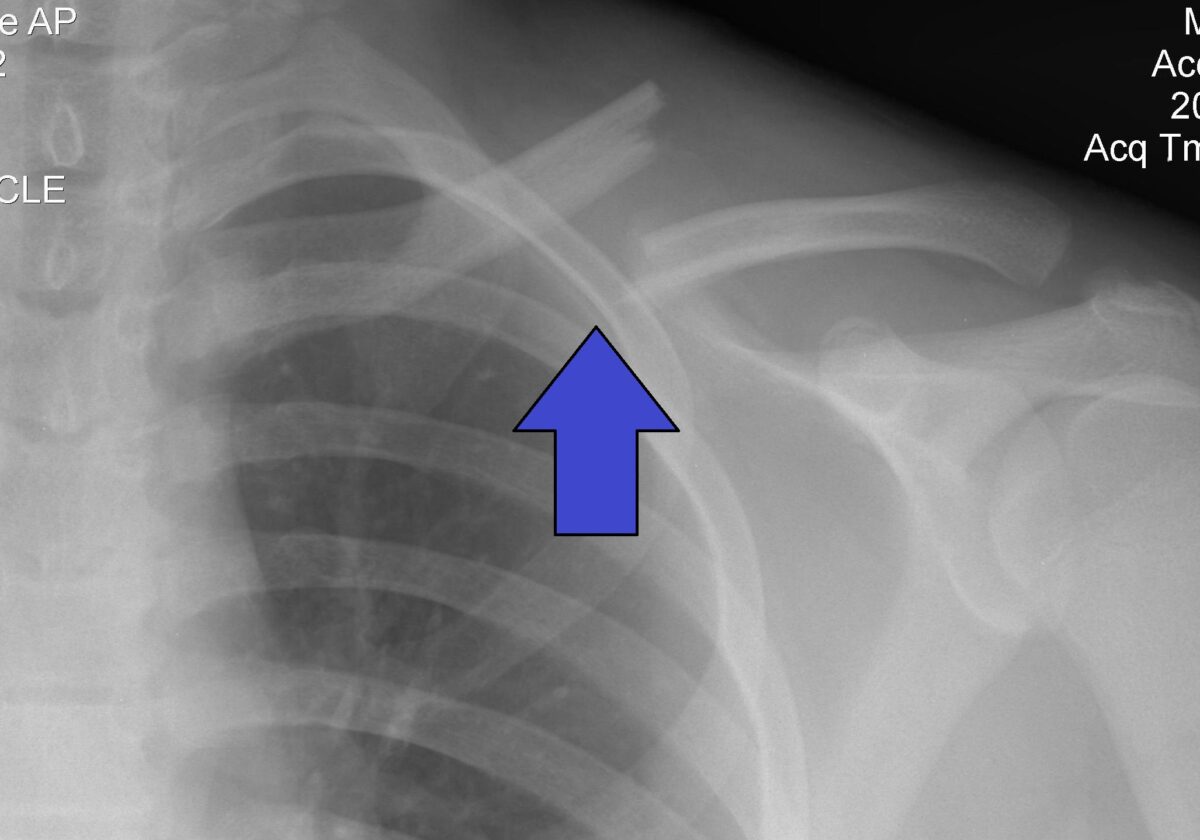
Fractura de clavícula

  • Común en EN Erythema nodosum is an immune-mediated panniculitis (inflammation of the subcutaneous fat) caused by a type IV (delayed-type) hypersensitivity reaction. It commonly manifests in young women as tender, erythematous nodules on the shins. Erythema Nodosum los LOS Neisseria adultos, secundario a un traumatismo en EN Erythema nodosum is an immune-mediated panniculitis (inflammation of the subcutaneous fat) caused by a type IV (delayed-type) hypersensitivity reaction. It commonly manifests in young women as tender, erythematous nodules on the shins. Erythema Nodosum la parte lateral del hombro
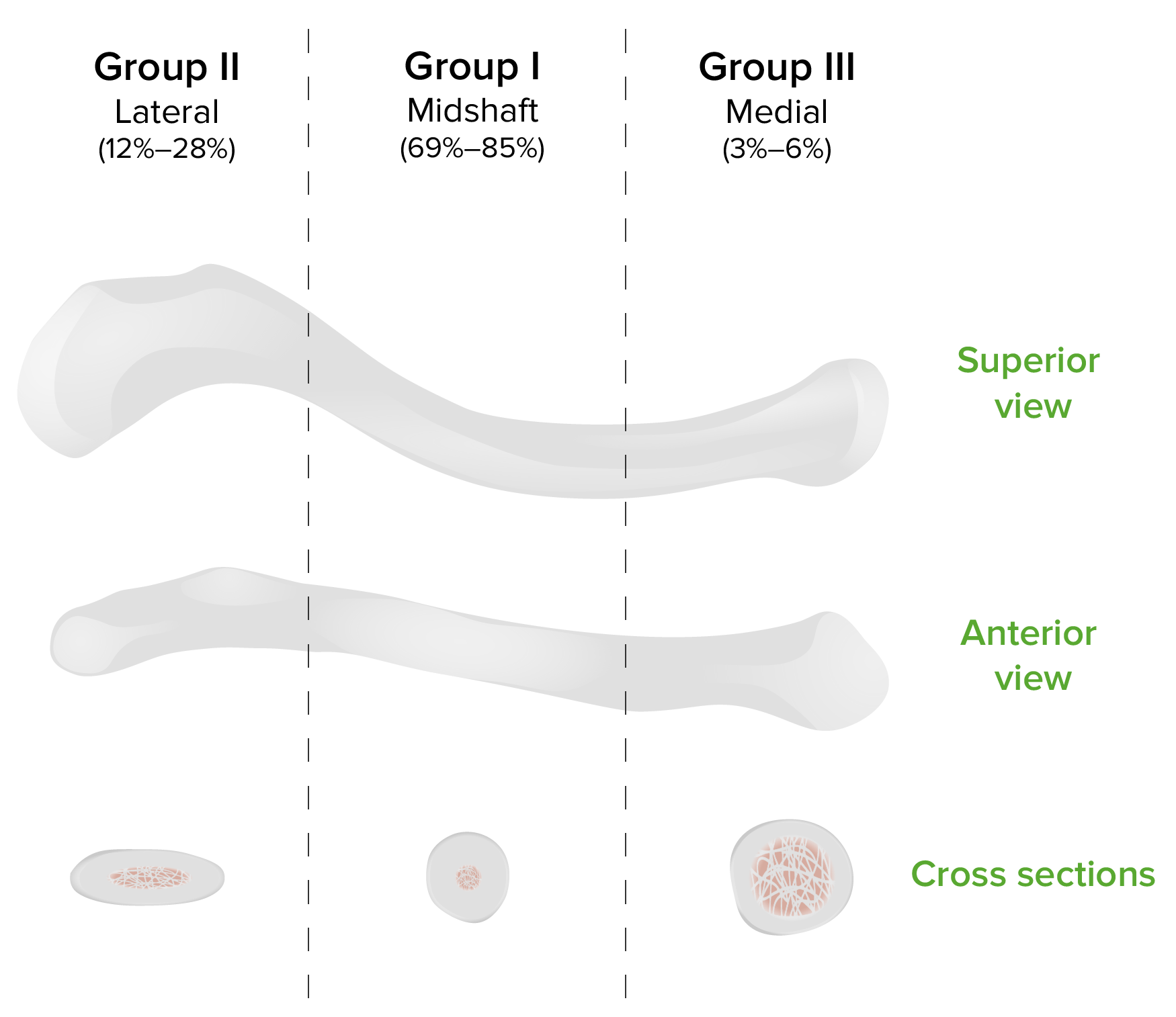
  • Localización más frecuente (80%): un-tercio-medio de la clavícula (grupo I)
  • Se presenta con dolor Dolor Inflammation, sensibilidad e hinchazón sobre la clavícula
  • A menudo, la deformación es evidente:
    • El fragmento lateral se desplaza hacia abajo y medialmente debido a la acción sin oposición del músculo pectoral mayor.
    • El fragmento proximal se desplaza hacia arriba debido a la acción sin oposición del músculo esternocleidomastoideo.
  • El diagnóstico se basa en EN Erythema nodosum is an immune-mediated panniculitis (inflammation of the subcutaneous fat) caused by a type IV (delayed-type) hypersensitivity reaction. It commonly manifests in young women as tender, erythematous nodules on the shins. Erythema Nodosum el examen clínico y se confirma con una radiografía.
  • Se debe realizar un examen neurovascular cuidadoso debido al AL Amyloidosis estar cerca de:
    • Grandes vasos
    • Pulmón
    • Plexo braquial
  • Tratamiento:
    • En EN Erythema nodosum is an immune-mediated panniculitis (inflammation of the subcutaneous fat) caused by a type IV (delayed-type) hypersensitivity reaction. It commonly manifests in young women as tender, erythematous nodules on the shins. Erythema Nodosum función del tipo de lesión, la edad del individuo y la localización
    • La mayoría de las fracturas claviculares se tratan de forma no quirúrgica
  • Clasificación de Allman de las fracturas de clavícula:
    • Fracturas del grupo I (fracturas del tercio medio):
      • Superposición de > 2 cm o desplazamiento significativo
      • A menudo se somete a intervención quirúrgica
    • Fracturas del grupo II (1/3 distal de las fracturas): remisión a ortopedia
    • Fracturas del grupo III (1/3 proximal de las fracturas): generalmente se tratan sin cirugía
Clasificación de Allman

Clasificación de Allman de la fractura clavicular

Imagen por Lecturio.
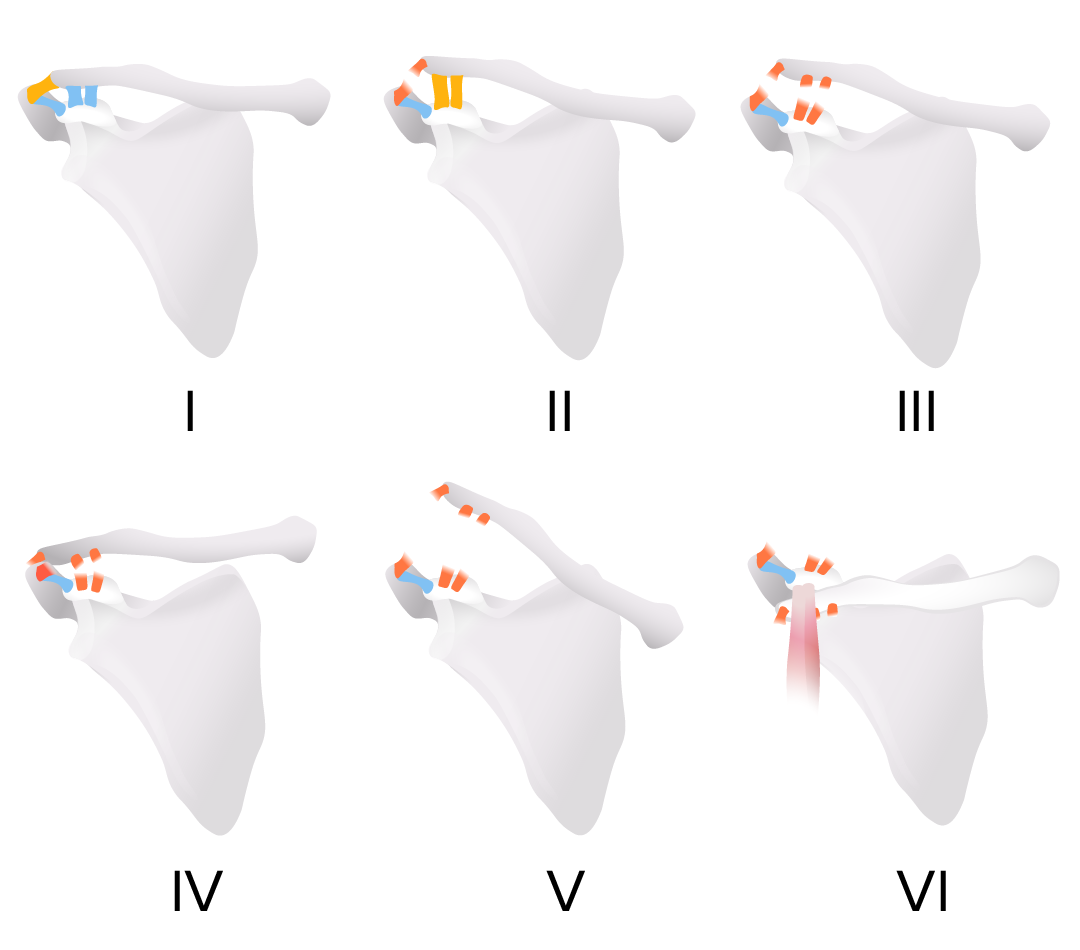
Lesiones de la articulación acromioclavicular

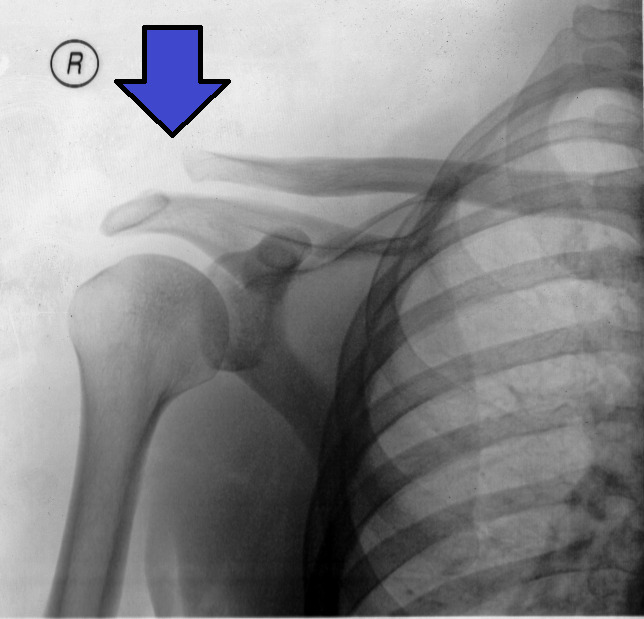
  • Lesión común en EN Erythema nodosum is an immune-mediated panniculitis (inflammation of the subcutaneous fat) caused by a type IV (delayed-type) hypersensitivity reaction. It commonly manifests in young women as tender, erythematous nodules on the shins. Erythema Nodosum adultos, causada por una caída sobre la cara lateral del hombro con el brazo en EN Erythema nodosum is an immune-mediated panniculitis (inflammation of the subcutaneous fat) caused by a type IV (delayed-type) hypersensitivity reaction. It commonly manifests in young women as tender, erythematous nodules on the shins. Erythema Nodosum aducción
  • El diagnóstico es clínico, con dolor Dolor Inflammation a la palpación de la articulación AC y deformidad asociada.
  • La radiografía puede ser útil para clasificar el grado de la lesión y las fracturas asociadas.
  • Clasificaciones de Rockwood:
    • Tipo I: clavícula no elevada con respecto al AL Amyloidosis acromion
    • Tipo II: clavícula elevada pero no por encima del borde superior del acromion
    • Tipo III: clavícula elevada por encima del borde superior del acromion pero < 2× normal
    • Tipo IV: clavícula desplazada posteriormente en EN Erythema nodosum is an immune-mediated panniculitis (inflammation of the subcutaneous fat) caused by a type IV (delayed-type) hypersensitivity reaction. It commonly manifests in young women as tender, erythematous nodules on the shins. Erythema Nodosum el trapecio
    • Tipo V: clavícula marcadamente elevada, > 2× normal
    • Tipo VI: clavícula desplazada inferiormente por detrás de los LOS Neisseria tendones del coracobraquial y del bíceps (poco frecuente)
  • Lesiones de tipo I-III: no requieren cirugía
  • Lesiones de tipo IV-VI: valoración por ortopedia para determinar pertinencia de cirugía
Clasificación de Rockwood

Clasificación de Rockwood de las lesiones de la articulación acromioclavicular

Imagen por Lecturio.
Esguinces y luxaciones esternoclaviculares

  • Lesión secundaria a un traumatismo en EN Erythema nodosum is an immune-mediated panniculitis (inflammation of the subcutaneous fat) caused by a type IV (delayed-type) hypersensitivity reaction. It commonly manifests in young women as tender, erythematous nodules on the shins. Erythema Nodosum la cara lateral del hombro
  • La epífisis clavicular medial es la última en EN Erythema nodosum is an immune-mediated panniculitis (inflammation of the subcutaneous fat) caused by a type IV (delayed-type) hypersensitivity reaction. It commonly manifests in young women as tender, erythematous nodules on the shins. Erythema Nodosum desarrollarse:
    • Puede que no se cierre hasta los LOS Neisseria 25 años
    • La lesión aparente de la articulación esternoclavicular en EN Erythema nodosum is an immune-mediated panniculitis (inflammation of the subcutaneous fat) caused by a type IV (delayed-type) hypersensitivity reaction. It commonly manifests in young women as tender, erythematous nodules on the shins. Erythema Nodosum adultos jóvenes puede ser una lesión Salter-Harris I/II en EN Erythema nodosum is an immune-mediated panniculitis (inflammation of the subcutaneous fat) caused by a type IV (delayed-type) hypersensitivity reaction. It commonly manifests in young women as tender, erythematous nodules on the shins. Erythema Nodosum lugar de un esguince.
  • La mayoría son luxaciones anteriores con prominencia de la clavícula medial.
  • La luxación posterior puede ser el resultado de un golpe directo o de una caída:
    • Puede provocar pinzamiento del contenido mediastínico superior
    • La lesión de la tráquea y los LOS Neisseria grandes vasos es potencialmente mortal.
    • TC es la modalidad de imagenología de elección.
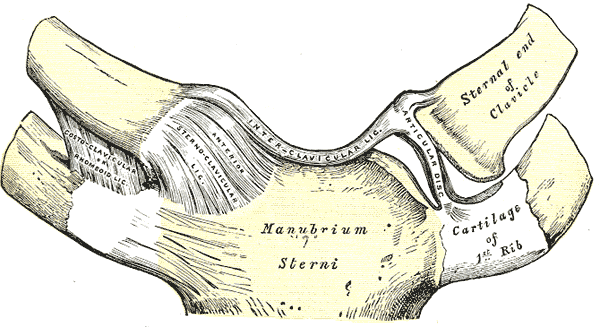
Vista anterior normal de la articulación esternoclavicular

Vista anterior normal de la articulación esternoclavicular

Imagen: “Gray325” por Henry Gray, Warren H. Lewis. Licencia: Dominio Público
Luxación glenohumeral

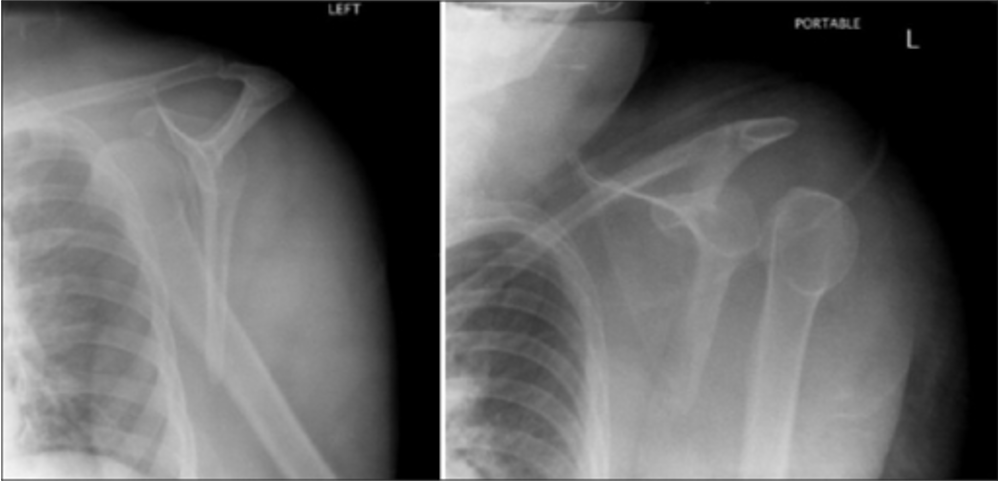
  • La articulación más comúnmente dislocada
  • Más del 90% de las luxaciones de hombro se producen en EN Erythema nodosum is an immune-mediated panniculitis (inflammation of the subcutaneous fat) caused by a type IV (delayed-type) hypersensitivity reaction. It commonly manifests in young women as tender, erythematous nodules on the shins. Erythema Nodosum dirección anterior.
  • Causado por un golpe directo, una caída, una lesión deportiva u otro traumatismo de alto impacto
  • Puede asociarse a una lesión del nervio axilar:
    • La función del nervio axilar debe evaluarse antes y después de la reducción, junto con un examen neurovascular completo.
    • Prueba: sensación sobre el deltoides
  • El diagnóstico se basa en EN Erythema nodosum is an immune-mediated panniculitis (inflammation of the subcutaneous fat) caused by a type IV (delayed-type) hypersensitivity reaction. It commonly manifests in young women as tender, erythematous nodules on the shins. Erythema Nodosum el examen clínico y se confirma con una radiografía.
  • Radiografías simples:
    • Glenoidea AP
    • Proyección en EN Erythema nodosum is an immune-mediated panniculitis (inflammation of the subcutaneous fat) caused by a type IV (delayed-type) hypersensitivity reaction. It commonly manifests in young women as tender, erythematous nodules on the shins. Erythema Nodosum Y de la escápula
    • Proyección axilar
  • Tratamiento:
    • Se han descrito múltiples maniobras.
    • Después de la reducción, repetir las radiografías y la colocación del cabestrillo
    • La duración de la inmovilización es controvertida.
    • El riesgo de luxación recurrente varía según la edad y el nivel de actividad.
    • La intervención quirúrgica puede ser necesaria en EN Erythema nodosum is an immune-mediated panniculitis (inflammation of the subcutaneous fat) caused by a type IV (delayed-type) hypersensitivity reaction. It commonly manifests in young women as tender, erythematous nodules on the shins. Erythema Nodosum el caso de:
      • Luxaciones a repetición
      • 1ra luxación en EN Erythema nodosum is an immune-mediated panniculitis (inflammation of the subcutaneous fat) caused by a type IV (delayed-type) hypersensitivity reaction. It commonly manifests in young women as tender, erythematous nodules on the shins. Erythema Nodosum atletas que practican un deporte de alto impacto.

Dislocación posterior

  • Lesión poco común (2–4%); puede pasarse por alto
  • Clásicamente descrita en EN Erythema nodosum is an immune-mediated panniculitis (inflammation of the subcutaneous fat) caused by a type IV (delayed-type) hypersensitivity reaction. It commonly manifests in young women as tender, erythematous nodules on the shins. Erythema Nodosum individuos con convulsiones y lesiones por electrocución; también se observa en EN Erythema nodosum is an immune-mediated panniculitis (inflammation of the subcutaneous fat) caused by a type IV (delayed-type) hypersensitivity reaction. It commonly manifests in young women as tender, erythematous nodules on the shins. Erythema Nodosum traumatismos
  • Puede estar relacionada con inestabilidad multidireccional subyacente
  • El individuo mantiene el hombro en EN Erythema nodosum is an immune-mediated panniculitis (inflammation of the subcutaneous fat) caused by a type IV (delayed-type) hypersensitivity reaction. It commonly manifests in young women as tender, erythematous nodules on the shins. Erythema Nodosum aducción y rotación interna; rotación externa limitada
  • Radiografía:
    • Puede perderse en EN Erythema nodosum is an immune-mediated panniculitis (inflammation of the subcutaneous fat) caused by a type IV (delayed-type) hypersensitivity reaction. It commonly manifests in young women as tender, erythematous nodules on the shins. Erythema Nodosum la proyección AP del hombro
    • Requiere vista axilar o en EN Erythema nodosum is an immune-mediated panniculitis (inflammation of the subcutaneous fat) caused by a type IV (delayed-type) hypersensitivity reaction. It commonly manifests in young women as tender, erythematous nodules on the shins. Erythema Nodosum Y para el diagnóstico definitivo
    • Clásico: signo de la “bombilla” (rotación interna del húmero proximal con aspecto circular)
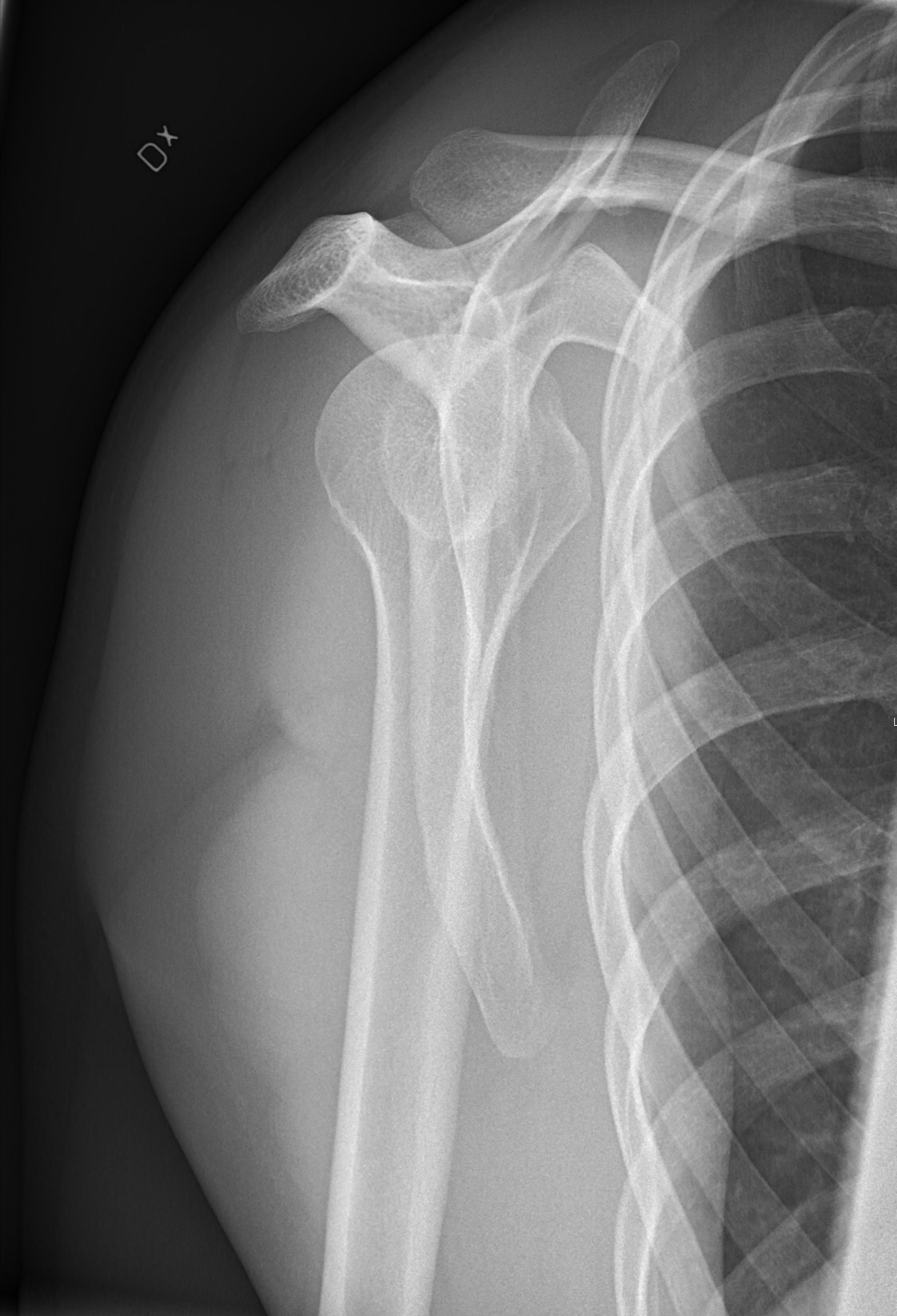
Radiografía normal en Y

Radiografía normal en Y

Imagen: “Y-projection X-ray of a normal shoulder” por Mikael Häggström. Licencia: CC0 1.0
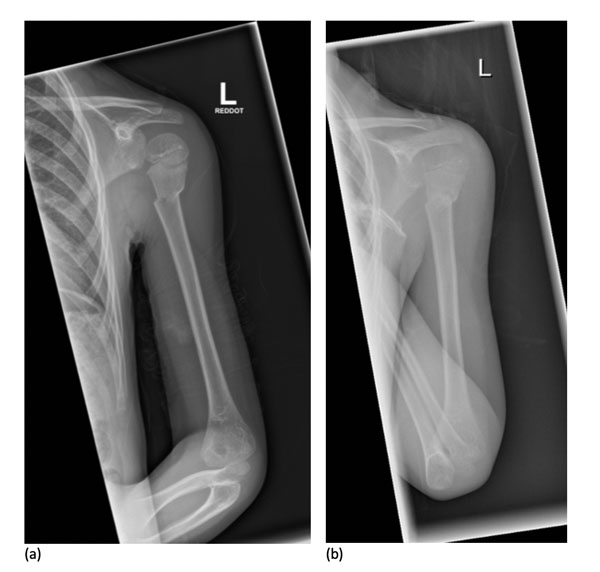
Fractura del húmero proximal

  • Más frecuente en EN Erythema nodosum is an immune-mediated panniculitis (inflammation of the subcutaneous fat) caused by a type IV (delayed-type) hypersensitivity reaction. It commonly manifests in young women as tender, erythematous nodules on the shins. Erythema Nodosum personas de edad avanzada (70% > 60 años); se produce como consecuencia de una caída de baja energía
  • Se relaciona con un traumatismo de alta energía cuando se observa en EN Erythema nodosum is an immune-mediated panniculitis (inflammation of the subcutaneous fat) caused by a type IV (delayed-type) hypersensitivity reaction. It commonly manifests in young women as tender, erythematous nodules on the shins. Erythema Nodosum individuos jóvenes
  • Presenta dolor Dolor Inflammation/inflamación del húmero proximal tras una caída/traumatismo
  • Evaluar el estado neurovascular, incluyendo el nervio axilar.
  • Radiografías simples:
    • Hombro AP
    • Glenoidea AP
    • Proyección en EN Erythema nodosum is an immune-mediated panniculitis (inflammation of the subcutaneous fat) caused by a type IV (delayed-type) hypersensitivity reaction. It commonly manifests in young women as tender, erythematous nodules on the shins. Erythema Nodosum Y de la escápula
    • Considerar proyección axilar
  • El tratamiento varía según la edad y el nivel de actividad.
  • La mayoría se trata de forma no quirúrgica
  • Tratamiento no quirúrgico:
    • Cabestrillo para la comodidad, seguido de ejercicios de péndulo
    • Seguido de un programa de fisioterapia graduado
Radiografía de una fractura de húmero proximal

Radiografía de una fractura de húmero proximal

Imagen: “X-Ray images showing the progression from injury (a) to 7 days after (b) a non-operative approach” por Woojin Chae, Akib Khan, Sarah Abbott, Angelos Assiotis. Licencia: CC BY 4.0
Fracturas escapulares

  • Fracturas en EN Erythema nodosum is an immune-mediated panniculitis (inflammation of the subcutaneous fat) caused by a type IV (delayed-type) hypersensitivity reaction. It commonly manifests in young women as tender, erythematous nodules on the shins. Erythema Nodosum la escápula relacionadas con traumatismos de alto impacto
  • La mayoría de las veces se trata de fracturas del cuerpo de la escápula y/o del cuello de la glenoides
  • La naturaleza de esta fractura hace HACE Altitude Sickness sospechar de una lesión pulmonar asociada, fracturas de costillas y otras lesiones.
  • La mayoría no está desplazada y se trata sin cirugía

Rotura aguda del tendón del manguito rotador

  • Los LOS Neisseria desgarros del manguito rotador puede ser consecuencia de un traumatismo agudo, de caídas o de la degeneración del tendón.
  • En EN Erythema nodosum is an immune-mediated panniculitis (inflammation of the subcutaneous fat) caused by a type IV (delayed-type) hypersensitivity reaction. It commonly manifests in young women as tender, erythematous nodules on the shins. Erythema Nodosum general, la edad es útil para clasificar el desgarro:
    • Los LOS Neisseria individuos más jóvenes suelen tener desgarros agudos.
    • Las personas mayores suelen tener desgarros de tipo degenerativo.
    • Importante: Un número significativo de personas  > 60 años tienen desgarros degenerativos del manguito rotador asintomáticos en EN Erythema nodosum is an immune-mediated panniculitis (inflammation of the subcutaneous fat) caused by a type IV (delayed-type) hypersensitivity reaction. It commonly manifests in young women as tender, erythematous nodules on the shins. Erythema Nodosum la RM.
  • El supraespinoso es el tendón del manguito rotador que se rompe con más frecuencia:
    • Debilidad y dolor Dolor Inflammation en EN Erythema nodosum is an immune-mediated panniculitis (inflammation of the subcutaneous fat) caused by a type IV (delayed-type) hypersensitivity reaction. It commonly manifests in young women as tender, erythematous nodules on the shins. Erythema Nodosum los LOS Neisseria hombros al AL Amyloidosis estirar la mano por encima o por detrás
    • A menudo molesta por la noche
  • Examen físico/prueba de fuerza muscular específica para la localización del desgarro del tendón del manguito rotador
  • Diagnóstico inicial basado en EN Erythema nodosum is an immune-mediated panniculitis (inflammation of the subcutaneous fat) caused by a type IV (delayed-type) hypersensitivity reaction. It commonly manifests in young women as tender, erythematous nodules on the shins. Erythema Nodosum el examen clínico
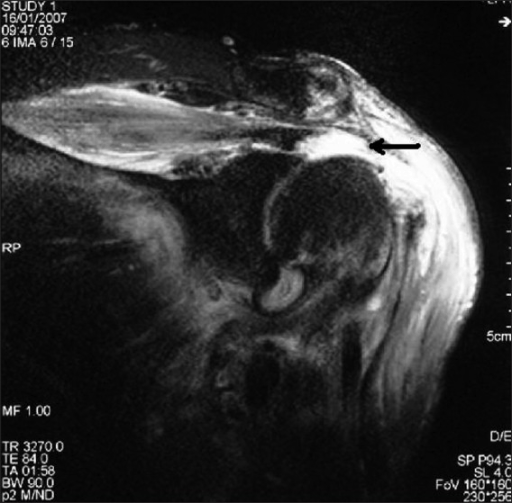
  • La RM se utiliza para confirmar el diagnóstico
  • Tratamiento:
    • Basado en EN Erythema nodosum is an immune-mediated panniculitis (inflammation of the subcutaneous fat) caused by a type IV (delayed-type) hypersensitivity reaction. It commonly manifests in young women as tender, erythematous nodules on the shins. Erythema Nodosum múltiples factores:
      • Edad
      • Duración de los LOS Neisseria síntomas
      • Desgarro parcial vs. desgarro total
      • Comorbilidades
    • Generalmente conservador para personas mayores o desgarros crónicos
    • Los LOS Neisseria desgarros de espesor total suelen requerir una reparación quirúrgica.
Full-thickness rotator cuff tear

Desgarro completo del manguito rotador (flecha) mostrado en una RM coronal-oblicua ponderada en T2: La alta intensidad de señal del líquido que sustituye a la inserción del tendón del supraespinoso en la tuberosidad mayor indica un desgarro.

Imagen: “F0003: Coronal-oblique T2-weighted magnetic resonance image showing full-thickness rotator cuff tear (arrow), indicated by high signal intensity fluid replacing the insertion of the supraspinatus tendon at the greater tuberosity” por Gohar Abbas Naqvi, Mutaz Jadaan, and Paul Harrington. Licencia: CC BY 2.0

Relevancia Clínica

  • Lesión del nervio axilar: el nervio axilar (C5-C6) puede lesionarse en EN Erythema nodosum is an immune-mediated panniculitis (inflammation of the subcutaneous fat) caused by a type IV (delayed-type) hypersensitivity reaction. It commonly manifests in young women as tender, erythematous nodules on the shins. Erythema Nodosum individuos con dislocación de hombro o fractura de húmero proximal. El nervio axilar inerva el deltoides y el redondo menor. La lesión del nervio axilar provoca debilidad del músculo deltoides y entumecimiento en EN Erythema nodosum is an immune-mediated panniculitis (inflammation of the subcutaneous fat) caused by a type IV (delayed-type) hypersensitivity reaction. It commonly manifests in young women as tender, erythematous nodules on the shins. Erythema Nodosum el lado del hombro. Puede requerir una intervención quirúrgica si se asocia a una lesión por fractura.
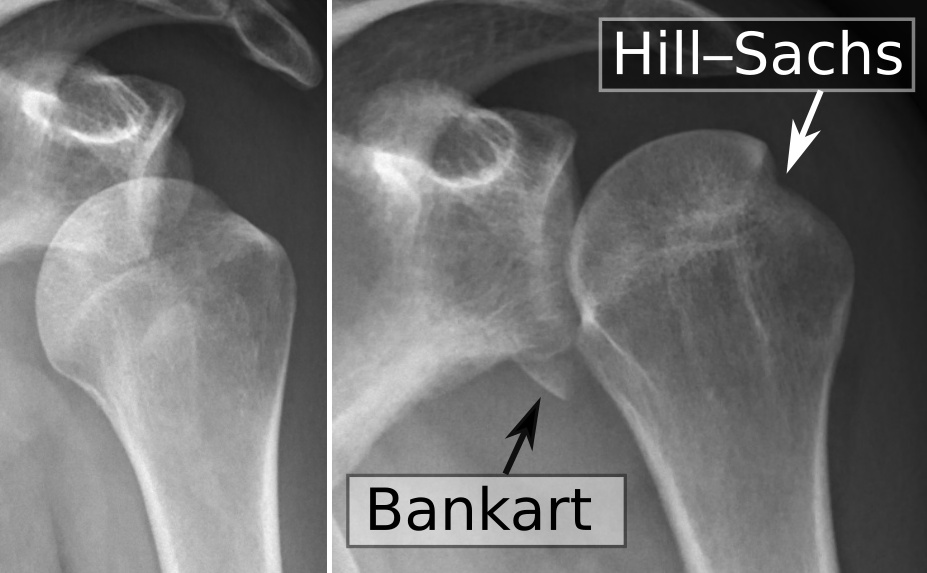
  • Inestabilidad recurrente: los LOS Neisseria individuos con antecedentes de luxación de hombro tienen un mayor riesgo de luxación recurrente. Los LOS Neisseria factores de riesgo son la edad temprana, la práctica de deportes de contacto, la presencia de lesiones de Hill-Sachs o Bankart y la laxitud ligamentosa subyacente. El tratamiento suele ser quirúrgico.
  • Mal unión de la fractura: la no unión o mal unión se produce en EN Erythema nodosum is an immune-mediated panniculitis (inflammation of the subcutaneous fat) caused by a type IV (delayed-type) hypersensitivity reaction. It commonly manifests in young women as tender, erythematous nodules on the shins. Erythema Nodosum un número relativamente pequeño de fracturas de clavícula. Aunque el tratamiento quirúrgico de las fracturas de clavícula es cada vez más frecuente, las indicaciones quirúrgicas son inciertas.

Referencias

  1. Vaughan, A., Hulkower, S. (2024). Evaluation of the adult with shoulder complaints. UpToDate. Retrieved October 20, 2025, from https://www.uptodate.com/contents/evaluation-of-the-adult-with-shoulder-complaints
  2. Berkoff, D. (2025). Multidirectional instability of the shoulder. UpToDate. Retrieved October 20, 2025, from https://www.uptodate.com/contents/multidirectional-instability-of-the-shoulder
  3. Sherman, S. (2025). Shoulder dislocation and reduction. UpToDate. Retrieved October 20, 2025, from https://www.uptodate.com/contents/shoulder-dislocation-and-reduction
  4. Young, C. (2025). Throwing injuries of the upper extremity: clinical presentation and diagnostic approach. UpToDate. Retrieved October 20, 2025, from https://www.uptodate.com/contents/throwing-injuries-of-the-upper-extremity-clinical-presentation-and-diagnostic-approach
  5. Chorley, J., Brooks, G. (2025). Traumatic causes of acute shoulder pain and injury in children and adolescents. UpToDate. Retrieved October 20, 2025, from https://www.uptodate.com/contents/traumatic-causes-of-acute-shoulder-pain-and-injury-in-children-and-adolescents

¡Crea tu cuenta gratis o inicia una sesión para seguir leyendo!

Regístrate ahora y obtén acceso gratuito a Lecturio con páginas de concepto, videos médicos y cuestionarios para tu educación médica.

User Reviews

Que tengas una sesión de estudio alegre y navideña 🎁 Ahorra 50% en todos los planes >>

Details