Domina Conceptos Médicos

Estudia para la escuela de medicina y tus examenes con Lecturio.

Bronquiectasia

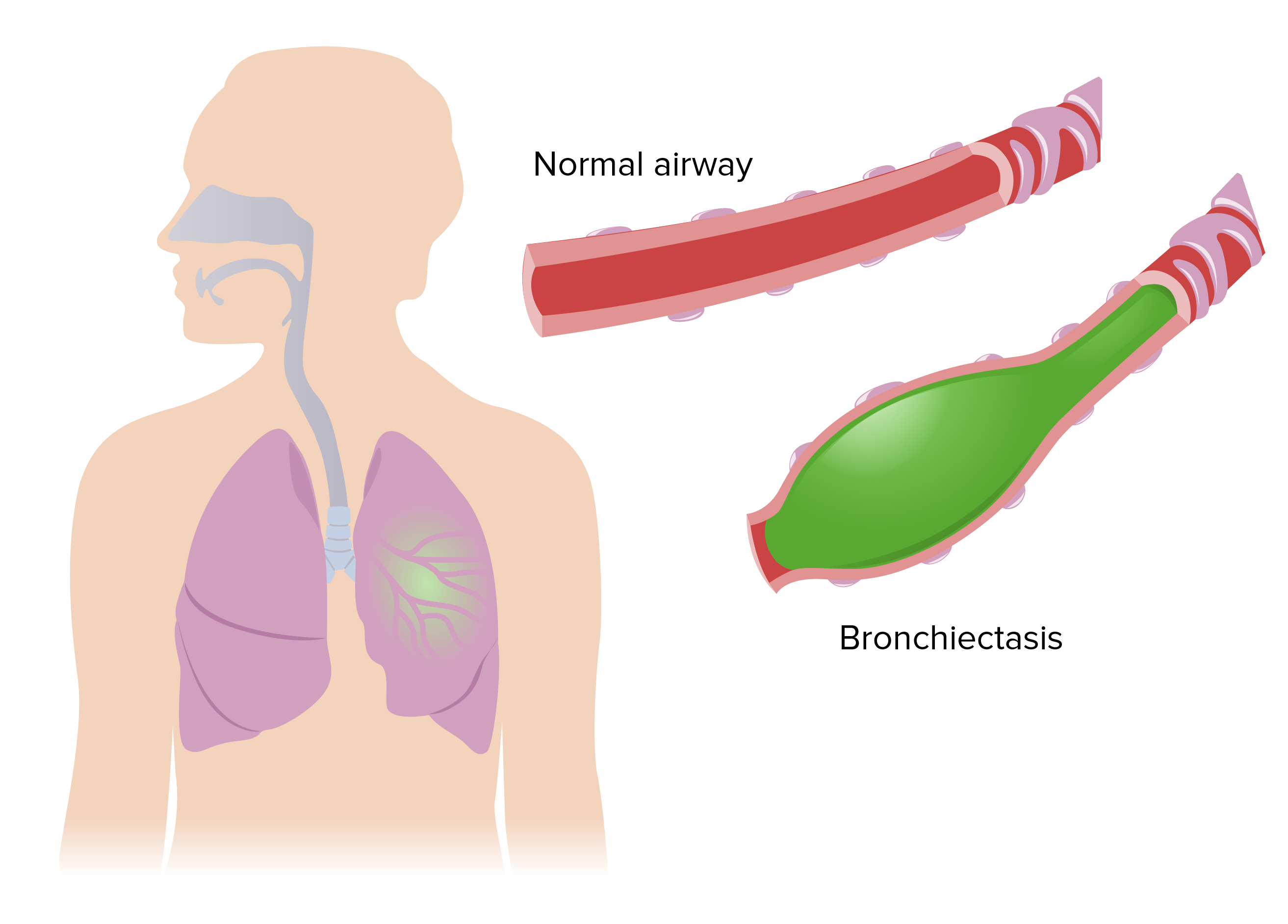
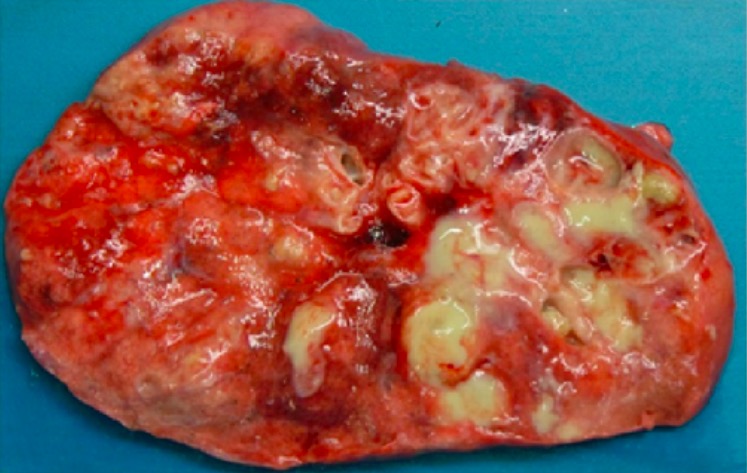
La bronquiectasia es una enfermedad crónica de las vías respiratorias que resulta de una distorsión bronquial permanente. Esto es el resultado de un ciclo continuo de inflamación, daño y dilatación bronquial, deterioro de la eliminación de las secreciones e infecciones recurrentes. La mayoría de los LOS Neisseria casos son idiopáticos, aunque las infecciones, la obstrucción bronquial, los LOS Neisseria trastornos congénitos y las afecciones sistémicas pueden contribuir. Los LOS Neisseria pacientes presentan síntomas de forma lenta y progresiva, como tos TOS Thoracic outlet syndrome (TOS) is a broad term used for a spectrum of syndromes related to the general region of the thoracic outlet, which involves the compression or irritation of elements of the brachial plexus, subclavian artery, or subclavian vein. Thoracic Outlet Syndrome y producción de esputo. El diagnóstico se realiza a partir de los LOS Neisseria hallazgos radiográficos característicos, como el engrosamiento de la pared bronquial y la dilatación luminal. El tratamiento se centra en EN Erythema nodosum is an immune-mediated panniculitis (inflammation of the subcutaneous fat) caused by a type IV (delayed-type) hypersensitivity reaction. It commonly manifests in young women as tender, erythematous nodules on the shins. Erythema Nodosum mejorar la eliminación de la mucosidad, aliviar la obstrucción de las vías respiratorias, tratar la infección y tratar la etiología subyacente. El tratamiento puede incluir fisioterapia torácica, broncodilatadores y antibióticos.

Last updated: Dec 15, 2025

Editorial responsibility: Stanley Oiseth, Lindsay Jones, Evelin Maza

Epidemiología y Etiología

Definición

La bronquiectasia es una enfermedad crónica en EN Erythema nodosum is an immune-mediated panniculitis (inflammation of the subcutaneous fat) caused by a type IV (delayed-type) hypersensitivity reaction. It commonly manifests in young women as tender, erythematous nodules on the shins. Erythema Nodosum la que hay un daño permanente en EN Erythema nodosum is an immune-mediated panniculitis (inflammation of the subcutaneous fat) caused by a type IV (delayed-type) hypersensitivity reaction. It commonly manifests in young women as tender, erythematous nodules on the shins. Erythema Nodosum las vías respiratorias, que provoca una dilatación bronquial anormal y una inflamación de la mucosa.
Epidemiología

  • Se estima que la prevalencia es de aproximadamente 350.000–500.000 casos en EN Erythema nodosum is an immune-mediated panniculitis (inflammation of the subcutaneous fat) caused by a type IV (delayed-type) hypersensitivity reaction. It commonly manifests in young women as tender, erythematous nodules on the shins. Erythema Nodosum Estados Unidos.
  • Edad:
    • Ocurre a cualquier edad
    • Mayor incidencia a mayor edad
  • Más común en EN Erythema nodosum is an immune-mediated panniculitis (inflammation of the subcutaneous fat) caused by a type IV (delayed-type) hypersensitivity reaction. It commonly manifests in young women as tender, erythematous nodules on the shins. Erythema Nodosum las mujeres

Etiología

  • Idiopática (más común)
  • Infección primaria:
    • Bacteriana:
      • Especies de Klebsiella Klebsiella Klebsiella are encapsulated gram-negative, lactose-fermenting bacilli. They form pink colonies on MacConkey agar due to lactose fermentation. The main virulence factor is a polysaccharide capsule. Klebsiella pneumoniae is the most important pathogenic species. Klebsiella
      • Staphylococcus aureus Staphylococcus aureus Potentially pathogenic bacteria found in nasal membranes, skin, hair follicles, and perineum of warm-blooded animals. They may cause a wide range of infections and intoxications. Brain Abscess
      • Pseudomonas aeruginosa Pseudomonas aeruginosa A species of gram-negative, aerobic, rod-shaped bacteria commonly isolated from clinical specimens (wound, burn, and urinary tract infections). It is also found widely distributed in soil and water. P. Aeruginosa is a major agent of nosocomial infection. Pseudomonas
      • Mycobacterium tuberculosis Mycobacterium tuberculosis Tuberculosis (TB) is an infectious disease caused by Mycobacterium tuberculosis complex bacteria. The bacteria usually attack the lungs but can also damage other parts of the body. Approximately 30% of people around the world are infected with this pathogen, with the majority harboring a latent infection. Tuberculosis spreads through the air when a person with active pulmonary infection coughs or sneezes. Tuberculosis
      • Complejo Mycobacterium avium Mycobacterium avium A bacterium causing tuberculosis in domestic fowl and other birds. In pigs, it may cause localized and sometimes disseminated disease. The organism occurs occasionally in sheep and cattle. It should be distinguished from the m. avium complex, which infects primarily humans. Mycobacterium
      • Mycoplasma pneumoniae Mycoplasma pneumoniae Short filamentous organism of the genus mycoplasma, which binds firmly to the cells of the respiratory epithelium. It is one of the etiologic agents of non-viral primary atypical pneumonia in man. Mycoplasma
    • Viral:
      • Virus Virus Viruses are infectious, obligate intracellular parasites composed of a nucleic acid core surrounded by a protein capsid. Viruses can be either naked (non-enveloped) or enveloped. The classification of viruses is complex and based on many factors, including type and structure of the nucleoid and capsid, the presence of an envelope, the replication cycle, and the host range. Virology del sarampión
      • Virus Virus Viruses are infectious, obligate intracellular parasites composed of a nucleic acid core surrounded by a protein capsid. Viruses can be either naked (non-enveloped) or enveloped. The classification of viruses is complex and based on many factors, including type and structure of the nucleoid and capsid, the presence of an envelope, the replication cycle, and the host range. Virology de la tos TOS Thoracic outlet syndrome (TOS) is a broad term used for a spectrum of syndromes related to the general region of the thoracic outlet, which involves the compression or irritation of elements of the brachial plexus, subclavian artery, or subclavian vein. Thoracic Outlet Syndrome ferina
      • Virus Virus Viruses are infectious, obligate intracellular parasites composed of a nucleic acid core surrounded by a protein capsid. Viruses can be either naked (non-enveloped) or enveloped. The classification of viruses is complex and based on many factors, including type and structure of the nucleoid and capsid, the presence of an envelope, the replication cycle, and the host range. Virology de la influenza Influenza Influenza viruses are members of the Orthomyxoviridae family and the causative organisms of influenza, a highly contagious febrile respiratory disease. There are 3 primary influenza viruses (A, B, and C) and various subtypes, which are classified based on their virulent surface antigens, hemagglutinin (HA) and neuraminidase (NA). Influenza typically presents with a fever, myalgia, headache, and symptoms of an upper respiratory infection. Influenza Viruses/Influenza
      • Virus Virus Viruses are infectious, obligate intracellular parasites composed of a nucleic acid core surrounded by a protein capsid. Viruses can be either naked (non-enveloped) or enveloped. The classification of viruses is complex and based on many factors, including type and structure of the nucleoid and capsid, the presence of an envelope, the replication cycle, and the host range. Virology del herpes simple
      • Adenovirus Adenovirus Adenovirus (member of the family Adenoviridae) is a nonenveloped, double-stranded DNA virus. Adenovirus is transmitted in a variety of ways, and it can have various presentations based on the site of entry. Presentation can include febrile pharyngitis, conjunctivitis, acute respiratory disease, atypical pneumonia, and gastroenteritis. Adenovirus
      • Virus Virus Viruses are infectious, obligate intracellular parasites composed of a nucleic acid core surrounded by a protein capsid. Viruses can be either naked (non-enveloped) or enveloped. The classification of viruses is complex and based on many factors, including type and structure of the nucleoid and capsid, the presence of an envelope, the replication cycle, and the host range. Virology sincitial respiratorio
    • Hongos:
  • Obstrucción bronquial:
    • Tumores endobronquiales
    • Invasión por linfadenopatía hiliar (síndrome del lóbulo medio derecho)
    • Aspiración de cuerpo extraño
    • Tapón mucoso
  • Neumonitis:
    • Aspiración
    • Lesión por inhalación
  • Trastornos congénitos:
    • Fibrosis Fibrosis Any pathological condition where fibrous connective tissue invades any organ, usually as a consequence of inflammation or other injury. Bronchiolitis Obliterans quística
    • Síndrome de Young
    • Discinesia ciliar primaria
    • Deficiencia de alfa-1 antitripsina (AAT, por sus siglas en EN Erythema nodosum is an immune-mediated panniculitis (inflammation of the subcutaneous fat) caused by a type IV (delayed-type) hypersensitivity reaction. It commonly manifests in young women as tender, erythematous nodules on the shins. Erythema Nodosum inglés)
  • Defectos anatómicos:
    • Secuestro broncopulmonar
    • Deficiencia congénita del cartílago
    • Traqueobroncomegalia
  • Enfermedad pulmonar:
  • Hipersensibilidad:
    • Aspergilosis broncopulmonar alérgica ( ABPA ABPA Hypersensitivity reaction (allergic reaction) to fungus aspergillus in an individual with long-standing bronchial asthma. It is characterized by pulmonary infiltrates, eosinophilia, elevated serum immunoglobulin e, and skin reactivity to aspergillus antigen. Aspergillus/Aspergillosis, por sus siglas en EN Erythema nodosum is an immune-mediated panniculitis (inflammation of the subcutaneous fat) caused by a type IV (delayed-type) hypersensitivity reaction. It commonly manifests in young women as tender, erythematous nodules on the shins. Erythema Nodosum inglés)
    • Neumonitis por hipersensibilidad
  • Estados de inmunodeficiencia:
    • Hipogammaglobulinemia
    • Deficiencias de complemento
    • VIH/SIDA
    • Terapia inmunosupresora
  • Enfermedades autoinmunes/trastornos del tejido conectivo:
    • Artritis reumatoide
    • Síndrome de Sjögren
    • Lupus eritematoso sistémico
    • Enfermedad inflamatoria intestinal
    • Sarcoidosis Sarcoidosis Sarcoidosis is a multisystem inflammatory disease that causes noncaseating granulomas. The exact etiology is unknown. Sarcoidosis usually affects the lungs and thoracic lymph nodes, but it can also affect almost every system in the body, including the skin, heart, and eyes, most commonly. Sarcoidosis

Fisiopatología

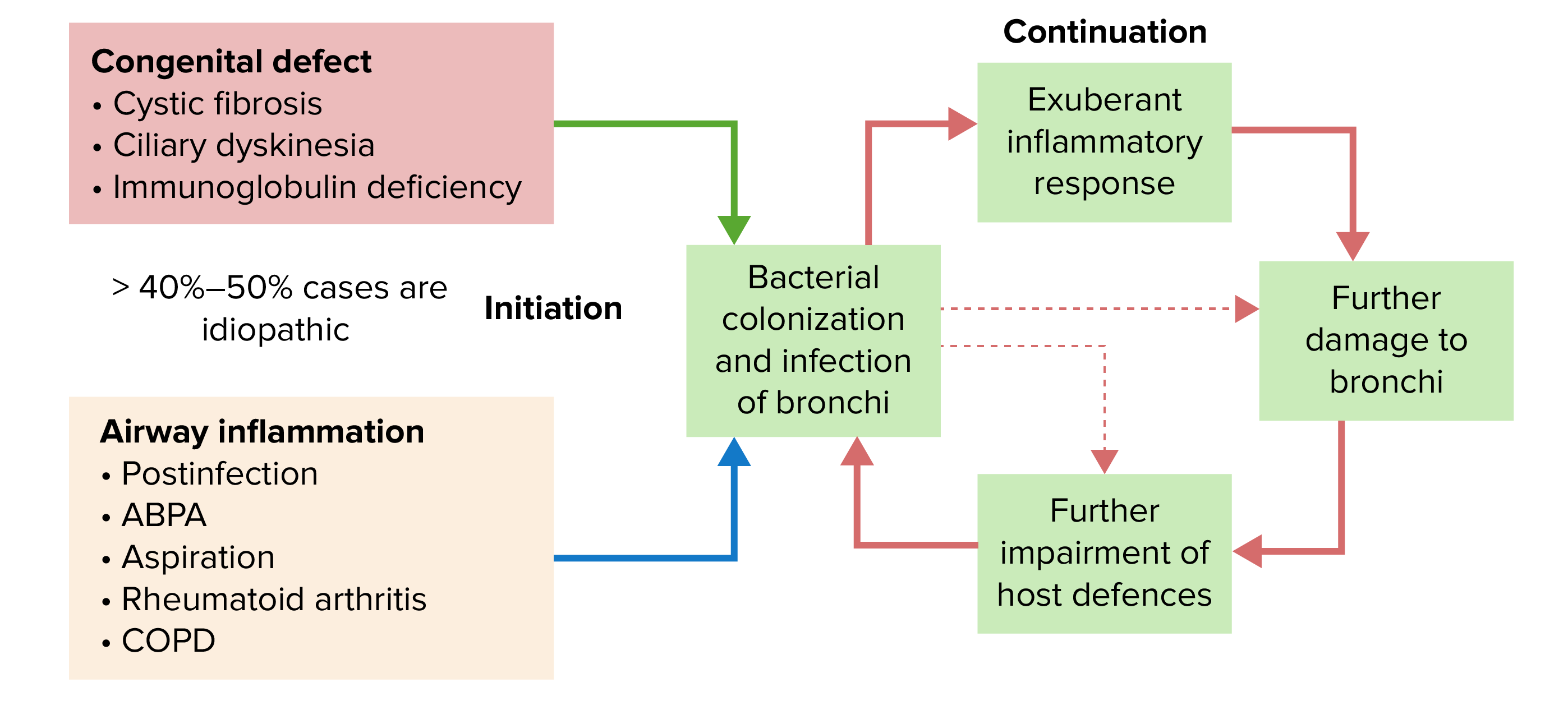
  • El desarrollo de las bronquiectasias suele ser el resultado de:
    • Una infección
    • Deterioro del drenaje mucoso
    • Obstrucción de las vías respiratorias
    • Deterioro de las defensas del huésped
  • Se produce una respuesta inflamatoria → daño tisular en EN Erythema nodosum is an immune-mediated panniculitis (inflammation of the subcutaneous fat) caused by a type IV (delayed-type) hypersensitivity reaction. It commonly manifests in young women as tender, erythematous nodules on the shins. Erythema Nodosum las paredes bronquiales, incluyendo:
    • Músculo liso
    • Fibras elásticas
  • Las paredes de los LOS Neisseria bronquios se dilatan → perjudican la eliminación de las secreciones
  • Los LOS Neisseria organismos son capaces de colonizar y causar infección → más daño bronquial y esputo purulento
  • Se convierte en EN Erythema nodosum is an immune-mediated panniculitis (inflammation of the subcutaneous fat) caused by a type IV (delayed-type) hypersensitivity reaction. It commonly manifests in young women as tender, erythematous nodules on the shins. Erythema Nodosum un ciclo continuo de:
    • Daño bronquial
    • Dilatación bronquial
    • Deterioro de la eliminación de las secreciones
    • Infección recurrente

Presentación Clínica

Los LOS Neisseria signos y síntomas de las bronquiectasias progresan lentamente a lo largo de los LOS Neisseria años y van acompañados de períodos de exacerbación aguda.

Síntomas crónicos

  • Tos TOS Thoracic outlet syndrome (TOS) is a broad term used for a spectrum of syndromes related to the general region of the thoracic outlet, which involves the compression or irritation of elements of the brachial plexus, subclavian artery, or subclavian vein. Thoracic Outlet Syndrome crónica
  • Producción de esputo:
    • Mucopurulento
    • Espeso
  • Disnea
  • Dolor Dolor Inflammation torácico pleurítico
  • Sibilancias
  • Hemoptisis
  • Rinosinusitis

Enfermedad avanzada

Los LOS Neisseria pacientes pueden desarrollar:

  • Hipertensión pulmonar
  • Insuficiencia cardíaca derecha
  • Desgaste y pérdida de peso

Síntomas de exacerbación aguda

Las exacerbaciones de las bronquiectasias suelen ser anunciadas por lo siguiente

  • Aumento de la producción de esputo con respecto a la línea basal:
    • Aumento de la viscosidad
    • Purulencia
    • Mal olor
  • Aumento de disnea y sibilancias
  • Fiebre de baja grado
  • Fatiga y malestar
  • Dolor Dolor Inflammation torácico pleurítico

Examen físico

Examen de nariz y garganta:

  • Halitosis Halitosis An offensive, foul breath odor resulting from a variety of causes such as poor oral hygiene, dental or oral infections, or the ingestion of certain foods. Oral Cancer
  • Pólipos nasales

Examen pulmonar:

  • Crepitantes
  • Roncus
  • Sibilancias

Evidencia de hipoxia crónica:

  • Dedos en EN Erythema nodosum is an immune-mediated panniculitis (inflammation of the subcutaneous fat) caused by a type IV (delayed-type) hypersensitivity reaction. It commonly manifests in young women as tender, erythematous nodules on the shins. Erythema Nodosum palillo de tambor (poco común)
  • Cianosis
  • Plétora (por policitemia secundaria)

Evidencia de insuficiencia cardíaca derecha:

  • Edema Edema Edema is a condition in which excess serous fluid accumulates in the body cavity or interstitial space of connective tissues. Edema is a symptom observed in several medical conditions. It can be categorized into 2 types, namely, peripheral (in the extremities) and internal (in an organ or body cavity). Edema periférico
  • Distensión venosa yugular
  • Hepatomegalia

Diagnóstico

Imagenología

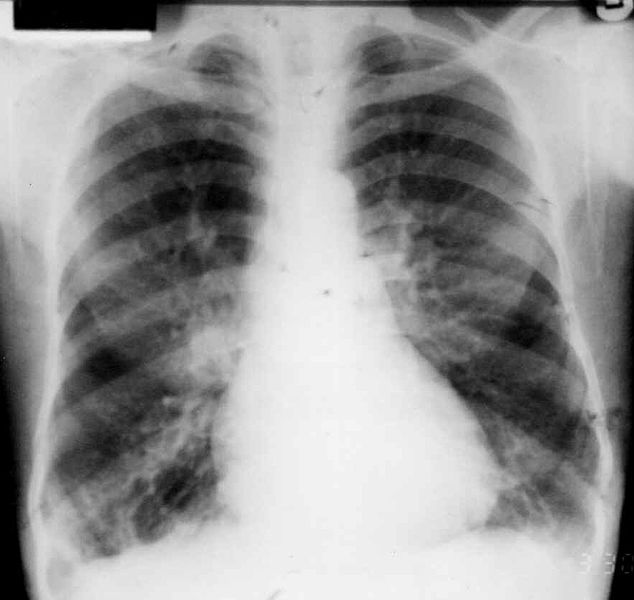
Las bronquiectasias se diagnostican mediante radiografía.

Radiografía de tórax:

  • Por lo general, es la prueba inicial realizada
  • Solo en EN Erythema nodosum is an immune-mediated panniculitis (inflammation of the subcutaneous fat) caused by a type IV (delayed-type) hypersensitivity reaction. It commonly manifests in young women as tender, erythematous nodules on the shins. Erythema Nodosum el 50% de los LOS Neisseria casos habrá hallazgos anormales.
  • Hallazgos diagnósticos:
    • Engrosamiento de las paredes de las vías respiratorias
    • Dilatación de las vías respiratorias
  • Hallazgos no diagnósticos:
    • Atelectasia lineal
    • Opacidades periféricas irregulares por tapones mucosos

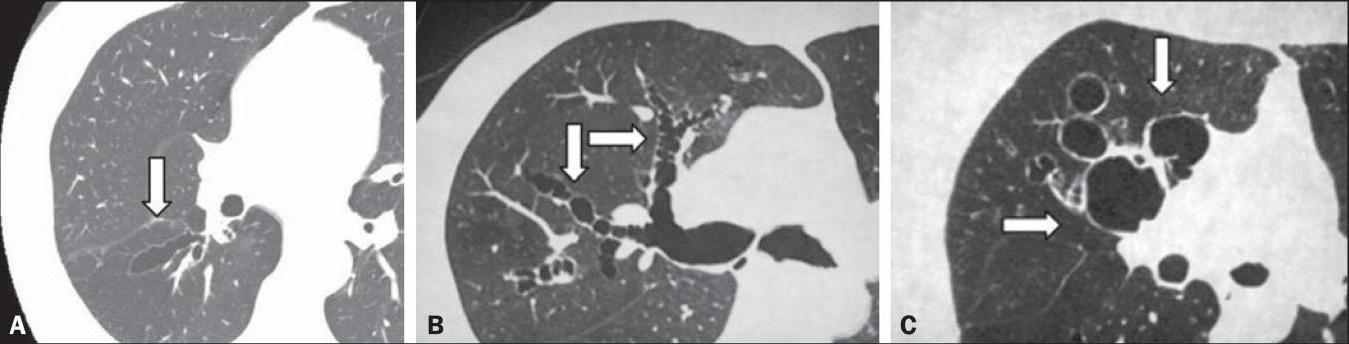
TC de alta resolución:

  • Más sensible y específica
  • Hallazgos:
    • Dilatación de la vía aérea:
      • “Líneas de tranvía” paralelas en orientación horizontal
      • Signo del “anillo de sello”: hallazgo en corte transversal de un bronquio dilatado que es contiguo a una arteria pulmonar más pequeña
      • Dilatación no uniforme (varicosa)
      • Quística
      • Falta de estrechamiento bronquial normal
    • Tapones mucopurulentos con retención de aire postobstructivo (signo de “árbol en brote”)
  • Distribución:
    • Lóbulos inferiores → idiopático (la mayoría de los LOS Neisseria casos)
    • Lóbulos superiores → fibrosis Fibrosis Any pathological condition where fibrous connective tissue invades any organ, usually as a consequence of inflammation or other injury. Bronchiolitis Obliterans quística
    • Lóbulo medio e inferior → disfunción ciliar primaria

Pruebas de función pulmonar

  • ↓ Volumen espiratorio forzado en EN Erythema nodosum is an immune-mediated panniculitis (inflammation of the subcutaneous fat) caused by a type IV (delayed-type) hypersensitivity reaction. It commonly manifests in young women as tender, erythematous nodules on the shins. Erythema Nodosum 1 segundo (VEF1)
  • ↓ o capacidad vital forzada (CVF) normal
  • ↓ Relación VEF1/CVF

Evaluación de soporte

La evaluación de una etiología subyacente puede incluir:

  • ↑ Eosinófilos → ABPA ABPA Hypersensitivity reaction (allergic reaction) to fungus aspergillus in an individual with long-standing bronchial asthma. It is characterized by pulmonary infiltrates, eosinophilia, elevated serum immunoglobulin e, and skin reactivity to aspergillus antigen. Aspergillus/Aspergillosis
  • Pruebas de inmunoglobulina:
    • Evaluación de hipogammaglobulinemia
    • IgE IgE An immunoglobulin associated with mast cells. Overexpression has been associated with allergic hypersensitivity. Immunoglobulins: Types and Functions específica de Aspergillus Aspergillus A genus of mitosporic fungi containing about 100 species and eleven different teleomorphs in the family trichocomaceae. Echinocandins ABPA ABPA Hypersensitivity reaction (allergic reaction) to fungus aspergillus in an individual with long-standing bronchial asthma. It is characterized by pulmonary infiltrates, eosinophilia, elevated serum immunoglobulin e, and skin reactivity to aspergillus antigen. Aspergillus/Aspergillosis
  • Pruebas de cloruro en EN Erythema nodosum is an immune-mediated panniculitis (inflammation of the subcutaneous fat) caused by a type IV (delayed-type) hypersensitivity reaction. It commonly manifests in young women as tender, erythematous nodules on the shins. Erythema Nodosum sudor y mutación del gen regulador de la conductancia transmembrana de la fibrosis Fibrosis Any pathological condition where fibrous connective tissue invades any organ, usually as a consequence of inflammation or other injury. Bronchiolitis Obliterans quística (CFTR, por sus siglas en EN Erythema nodosum is an immune-mediated panniculitis (inflammation of the subcutaneous fat) caused by a type IV (delayed-type) hypersensitivity reaction. It commonly manifests in young women as tender, erythematous nodules on the shins. Erythema Nodosum inglés) fibrosis Fibrosis Any pathological condition where fibrous connective tissue invades any organ, usually as a consequence of inflammation or other injury. Bronchiolitis Obliterans quística
  • Nivel de AAT → deficiencia de AAT
  • Evaluación autoinmune:
    • Factor reumatoide
    • Anticuerpos antinucleares
    • Anticuerpo anticitoplasma de neutrófilos
  • Frotis y cultivo de esputo para:
    • Bacterias
    • Micobacterias
    • Hongos

Tratamiento

Objetivos

La bronquiectasia es una enfermedad crónica. Así, el tratamiento se centra en EN Erythema nodosum is an immune-mediated panniculitis (inflammation of the subcutaneous fat) caused by a type IV (delayed-type) hypersensitivity reaction. It commonly manifests in young women as tender, erythematous nodules on the shins. Erythema Nodosum:

  • Mejorar los LOS Neisseria síntomas
  • Reducir las complicaciones
  • Control de las exacerbaciones
  • Reducir la morbilidad y mortalidad
  • Tratamiento de enfermedades subyacentes

Tratamiento general

  • Identificar y tratar la causa subyacente.
  • Mejorar la eliminación de la mucosidad:
    • Fisioterapia torácica
    • Respiración profunda con maniobras espiratorias forzadas
    • Humidificación
    • Los LOS Neisseria mucolíticos se utilizan a menudo en EN Erythema nodosum is an immune-mediated panniculitis (inflammation of the subcutaneous fat) caused by a type IV (delayed-type) hypersensitivity reaction. It commonly manifests in young women as tender, erythematous nodules on the shins. Erythema Nodosum pacientes con fibrosis Fibrosis Any pathological condition where fibrous connective tissue invades any organ, usually as a consequence of inflammation or other injury. Bronchiolitis Obliterans quística.
  • Obstrucción del flujo de aire inverso:
    • Broncodilatadores:
      • Beta-agonistas
      • Anticolinérgicos
    • Terapia con corticosteroides
  • Tratamiento de la infección: antibióticos
    • Opciones empíricas:
      • Amoxicilina-ácido clavulánico
      • Fluoroquinolonas (proporciona cobertura para Pseudomonas Pseudomonas Pseudomonas is a non-lactose-fermenting, gram-negative bacillus that produces pyocyanin, which gives it a characteristic blue-green color. Pseudomonas is found ubiquitously in the environment, as well as in moist reservoirs, such as hospital sinks and respiratory equipment. Pseudomonas)
    • Adaptado al AL Amyloidosis cultivo de esputo y a la sensibilidad
  • Vacunas:
    • Influenza Influenza Influenza viruses are members of the Orthomyxoviridae family and the causative organisms of influenza, a highly contagious febrile respiratory disease. There are 3 primary influenza viruses (A, B, and C) and various subtypes, which are classified based on their virulent surface antigens, hemagglutinin (HA) and neuraminidase (NA). Influenza typically presents with a fever, myalgia, headache, and symptoms of an upper respiratory infection. Influenza Viruses/Influenza
    • Neumonía neumocócica
  • Consejería para dejar de fumar

Tratamiento quirúrgico

La cirugía no suele estar indicada, pero puede utilizarse en EN Erythema nodosum is an immune-mediated panniculitis (inflammation of the subcutaneous fat) caused by a type IV (delayed-type) hypersensitivity reaction. It commonly manifests in young women as tender, erythematous nodules on the shins. Erythema Nodosum circunstancias específicas:

  • Embolización de la arteria bronquial para la hemoptisis masiva
  • Resección pulmonar:
    • Extirpación de los LOS Neisseria segmentos del pulmón más gravemente afectados
    • Se puede buscar en EN Erythema nodosum is an immune-mediated panniculitis (inflammation of the subcutaneous fat) caused by a type IV (delayed-type) hypersensitivity reaction. It commonly manifests in young women as tender, erythematous nodules on the shins. Erythema Nodosum caso de enfermedad avanzada o hemoptisis masiva
  • El trasplante de pulmón se considera para las bronquiectasias graves (como en EN Erythema nodosum is an immune-mediated panniculitis (inflammation of the subcutaneous fat) caused by a type IV (delayed-type) hypersensitivity reaction. It commonly manifests in young women as tender, erythematous nodules on the shins. Erythema Nodosum la fibrosis Fibrosis Any pathological condition where fibrous connective tissue invades any organ, usually as a consequence of inflammation or other injury. Bronchiolitis Obliterans quística).

Pronóstico

  • La mortalidad ha HA Hemolytic anemia (HA) is the term given to a large group of anemias that are caused by the premature destruction/hemolysis of circulating red blood cells (RBCs). Hemolysis can occur within (intravascular hemolysis) or outside the blood vessels (extravascular hemolysis). Hemolytic Anemia mejorado con la llegada de la terapia antibiótica.
  • Un peor pronóstico se asocia a:
    • Un diagnóstico de fibrosis Fibrosis Any pathological condition where fibrous connective tissue invades any organ, usually as a consequence of inflammation or other injury. Bronchiolitis Obliterans quística
    • Edad avanzada
    • Mal estado funcional
    • Hipoxemia
    • Hipercapnia

Diagnóstico Diferencial

  • Enfermedad pulmonar obstructiva crónica (EPOC): enfermedad pulmonar caracterizada por una obstrucción progresiva y en EN Erythema nodosum is an immune-mediated panniculitis (inflammation of the subcutaneous fat) caused by a type IV (delayed-type) hypersensitivity reaction. It commonly manifests in young women as tender, erythematous nodules on the shins. Erythema Nodosum gran medida irreversible del flujo de aire. Los LOS Neisseria síntomas incluyen disnea progresiva y tos TOS Thoracic outlet syndrome (TOS) is a broad term used for a spectrum of syndromes related to the general region of the thoracic outlet, which involves the compression or irritation of elements of the brachial plexus, subclavian artery, or subclavian vein. Thoracic Outlet Syndrome crónica. En EN Erythema nodosum is an immune-mediated panniculitis (inflammation of the subcutaneous fat) caused by a type IV (delayed-type) hypersensitivity reaction. It commonly manifests in young women as tender, erythematous nodules on the shins. Erythema Nodosum el examen puede observarse una espiración prolongada, sibilancias o disminución de los LOS Neisseria ruidos respiratorios. El diagnóstico se confirma con pruebas de función pulmonar. Los LOS Neisseria hallazgos imagenológicos de las bronquiectasias generalmente no se ven. El tratamiento incluye dejar de fumar, rehabilitación pulmonar y farmacoterapia.
  • Asma ASMA Autoimmune Hepatitis: enfermedad inflamatoria crónica caracterizada por la obstrucción reversible del flujo de aire en EN Erythema nodosum is an immune-mediated panniculitis (inflammation of the subcutaneous fat) caused by a type IV (delayed-type) hypersensitivity reaction. It commonly manifests in young women as tender, erythematous nodules on the shins. Erythema Nodosum las vías respiratorias inferiores. Los LOS Neisseria pacientes presentan sibilancias intermitentes o persistentes, tos TOS Thoracic outlet syndrome (TOS) is a broad term used for a spectrum of syndromes related to the general region of the thoracic outlet, which involves the compression or irritation of elements of the brachial plexus, subclavian artery, or subclavian vein. Thoracic Outlet Syndrome y disnea. El diagnóstico suele confirmarse con pruebas de función pulmonar que muestran un patrón obstructivo reversible. Los LOS Neisseria hallazgos imagenológicos de las bronquiectasias generalmente no se ven. El tratamiento varía en EN Erythema nodosum is an immune-mediated panniculitis (inflammation of the subcutaneous fat) caused by a type IV (delayed-type) hypersensitivity reaction. It commonly manifests in young women as tender, erythematous nodules on the shins. Erythema Nodosum función de la gravedad, e incluye broncodilatadores y corticosteroides inhalados para controlar la inflamación.
  • Neumonía: infección del parénquima pulmonar causada con mayor frecuencia por bacterias o virus Virus Viruses are infectious, obligate intracellular parasites composed of a nucleic acid core surrounded by a protein capsid. Viruses can be either naked (non-enveloped) or enveloped. The classification of viruses is complex and based on many factors, including type and structure of the nucleoid and capsid, the presence of an envelope, the replication cycle, and the host range. Virology. Los LOS Neisseria pacientes presentan fiebre, disnea y tos TOS Thoracic outlet syndrome (TOS) is a broad term used for a spectrum of syndromes related to the general region of the thoracic outlet, which involves the compression or irritation of elements of the brachial plexus, subclavian artery, or subclavian vein. Thoracic Outlet Syndrome productiva. La radiografía de tórax suele mostrar consolidación lobar. El tratamiento suele incluir antibióticos empíricos, que pueden adaptarse si se identifica el organismo causante. Los LOS Neisseria antivirales se utilizan cuando se sospecha una causa viral.
  • Neumonitis por aspiración: inhalación del contenido orofaríngeo o gástrico hacia las vías respiratorias inferiores. Esto estimula una respuesta inflamatoria que provoca tos TOS Thoracic outlet syndrome (TOS) is a broad term used for a spectrum of syndromes related to the general region of the thoracic outlet, which involves the compression or irritation of elements of the brachial plexus, subclavian artery, or subclavian vein. Thoracic Outlet Syndrome, disnea, molestias en EN Erythema nodosum is an immune-mediated panniculitis (inflammation of the subcutaneous fat) caused by a type IV (delayed-type) hypersensitivity reaction. It commonly manifests in young women as tender, erythematous nodules on the shins. Erythema Nodosum el pecho y fiebre. El diagnóstico a menudo es clínico y se apoya con hallazgos radiográficos de tórax de opacidades en EN Erythema nodosum is an immune-mediated panniculitis (inflammation of the subcutaneous fat) caused by a type IV (delayed-type) hypersensitivity reaction. It commonly manifests in young women as tender, erythematous nodules on the shins. Erythema Nodosum vidrio deslustrado en EN Erythema nodosum is an immune-mediated panniculitis (inflammation of the subcutaneous fat) caused by a type IV (delayed-type) hypersensitivity reaction. It commonly manifests in young women as tender, erythematous nodules on the shins. Erythema Nodosum regiones dependientes. El tratamiento es de soporte y se debe vigilar a los LOS Neisseria pacientes para detectar el desarrollo de neumonía.

Referencias

  1. Barker, A. F. (2021). Clinical manifestations and diagnosis of bronchiectasis in adults. In Hollingsworth, H. (Ed.), UpToDate. Retrieved April 6, 2021, from https://www.uptodate.com/contents/clinical-manifestations-and-diagnosis-of-bronchiectasis-in-adults
  2. Barker, A. F. (2020). Bronchiectasis in adults: Treatment of acute exacerbations and advanced disease. In Hollingsworth, H. (Ed.), UpToDate. Retrieved April 6, 2021, from https://www.uptodate.com/contents/bronchiectasis-in-adults-treatment-of-acute-exacerbations-and-advanced-disease
  3. Emmons, E. E. (2020). Bronchiectasis. In Mosenifar, Z. (Ed.), Medscape. Retrieved April 6, 2021, from https://emedicine.medscape.com/article/296961-overview
  4. Coruh, B., Niven, A.S. (2019). Bronchiectasis. MSD Manual Professional Version. Retrieved April 6, 2021, from https://www.msdmanuals.com/professional/pulmonary-disorders/bronchiectasis-and-atelectasis/bronchiectasis
  5. Bird, K., Memon, J. (2020). Bronchiectasis. StatPearls. Retrieved April 6, 2021, from https://www.ncbi.nlm.nih.gov/books/NBK430810/

¡Crea tu cuenta gratis o inicia una sesión para seguir leyendo!

Regístrate ahora y obtén acceso gratuito a Lecturio con páginas de concepto, videos médicos y cuestionarios para tu educación médica.

User Reviews

Details