Domina Conceptos Médicos

Estudia para la escuela de medicina y tus examenes con Lecturio.

Aciduria Orótica

La aciduria orótica es un trastorno genético extremadamente raro que puede provocar cristaluria, anemia Anemia Anemia is a condition in which individuals have low Hb levels, which can arise from various causes. Anemia is accompanied by a reduced number of RBCs and may manifest with fatigue, shortness of breath, pallor, and weakness. Subtypes are classified by the size of RBCs, chronicity, and etiology. Anemia: Overview and Types megaloblástica, retraso en EN Erythema nodosum is an immune-mediated panniculitis (inflammation of the subcutaneous fat) caused by a type IV (delayed-type) hypersensitivity reaction. It commonly manifests in young women as tender, erythematous nodules on the shins. Erythema Nodosum el desarrollo y falta de crecimiento. El trastorno es causado por una deficiencia enzimática en EN Erythema nodosum is an immune-mediated panniculitis (inflammation of the subcutaneous fat) caused by a type IV (delayed-type) hypersensitivity reaction. It commonly manifests in young women as tender, erythematous nodules on the shins. Erythema Nodosum la vía de la síntesis de pirimidina que resulta en EN Erythema nodosum is an immune-mediated panniculitis (inflammation of the subcutaneous fat) caused by a type IV (delayed-type) hypersensitivity reaction. It commonly manifests in young women as tender, erythematous nodules on the shins. Erythema Nodosum la acumulación de ácido orótico. El agotamiento de los LOS Neisseria nucleótidos conduce a los LOS Neisseria síntomas de la enfermedad. El diagnóstico se realiza con secuenciación genética y estudios de orina. Las opciones de tratamiento incluyen monofosfato de uridina y triacetato de uridina.

Last updated: Apr 23, 2025

Editorial responsibility: Stanley Oiseth, Lindsay Jones, Evelin Maza

Descripción General

Epidemiología

  • Trastorno raro que afecta a hombres y mujeres por igual
  • Prevalencia al AL Amyloidosis nacer: < 1 en EN Erythema nodosum is an immune-mediated panniculitis (inflammation of the subcutaneous fat) caused by a type IV (delayed-type) hypersensitivity reaction. It commonly manifests in young women as tender, erythematous nodules on the shins. Erythema Nodosum 1 millón de nacidos vivos

Clasificación

Tipo I:

  • Deficiencia en EN Erythema nodosum is an immune-mediated panniculitis (inflammation of the subcutaneous fat) caused by a type IV (delayed-type) hypersensitivity reaction. It commonly manifests in young women as tender, erythematous nodules on the shins. Erythema Nodosum ambos genes Genes A category of nucleic acid sequences that function as units of heredity and which code for the basic instructions for the development, reproduction, and maintenance of organisms. DNA Types and Structure de uridina monofosfato sintetasa (UMPS)
  • Más común que el tipo II

Tipo II:

  • Deficiencia en EN Erythema nodosum is an immune-mediated panniculitis (inflammation of the subcutaneous fat) caused by a type IV (delayed-type) hypersensitivity reaction. It commonly manifests in young women as tender, erythematous nodules on the shins. Erythema Nodosum la actividad de la orotidina 5′-fosfato descarboxilasa ( OCD OCD Obsessive-compulsive disorder (OCD) is a condition characterized by obsessions (recurring and intrusive thoughts, urges, or images) and/or compulsions (repetitive actions the person is compelled to perform) that are time-consuming and associated with functional impairment. Obsessive-compulsive Disorder (OCD)) con un aumento de la actividad de la orotato fosforribosiltransferasa (OPRT)
  • Extremadamente raro

Etiología

  • Herencia autosómica recesiva
  • Mutaciones en EN Erythema nodosum is an immune-mediated panniculitis (inflammation of the subcutaneous fat) caused by a type IV (delayed-type) hypersensitivity reaction. It commonly manifests in young women as tender, erythematous nodules on the shins. Erythema Nodosum el gen UMPS de uridina:
    • Se encuentra en EN Erythema nodosum is an immune-mediated panniculitis (inflammation of the subcutaneous fat) caused by a type IV (delayed-type) hypersensitivity reaction. It commonly manifests in young women as tender, erythematous nodules on the shins. Erythema Nodosum el brazo largo del cromosoma 3 (3q13)
    • La uridina monofosfato sintetasa es un producto de proteína bifuncional que tiene acciones OPRT y ODC.

Fisiopatología

  • Mutación del gen UMPS
    • La función normal de este producto génico es una enzima que cataliza 2 reacciones metabólicas consecutivas necesarias para la biosíntesis de pirimidina de novo.
    • Un gen no funcional ocasiona un nivel bajo de esta enzima y una acumulación de ácido orótico.
  • El exceso de ácido orótico se excreta en EN Erythema nodosum is an immune-mediated panniculitis (inflammation of the subcutaneous fat) caused by a type IV (delayed-type) hypersensitivity reaction. It commonly manifests in young women as tender, erythematous nodules on the shins. Erythema Nodosum la orina, lo que conduce a la cristaluria.
  • El agotamiento del nucleótido de pirimidina conduce a síntomas clínicos.

Presentación Clínica

  • Hematológicos:
    • Anemia Anemia Anemia is a condition in which individuals have low Hb levels, which can arise from various causes. Anemia is accompanied by a reduced number of RBCs and may manifest with fatigue, shortness of breath, pallor, and weakness. Subtypes are classified by the size of RBCs, chronicity, and etiology. Anemia: Overview and Types que no responde a la terapia con hierro/ácido fólico
  • Neurológico:
    • Retraso del desarrollo
    • Discapacidad intelectual leve
    • Convulsiones (epilepsia)
  • Sistémico:
    • Fracaso para prosperar
  • Genitourinario:
    • Orina turbia debido a cristales de ácido orótico (cristaluria)
    • Puede conducir a una uropatía obstructiva
  • Otros síntomas informados:
    • Diarrea
    • Malformaciones congénitas
    • Inflamación de la boca y los LOS Neisseria labios (estomatitis)
    • Desalineación de los LOS Neisseria ojos (estrabismo)
    • Cardiopatía congénita
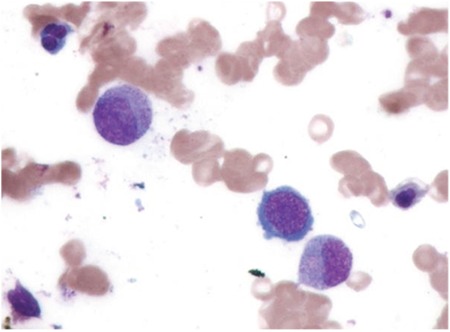
Frotis de sangre de anemia megaloblástica Aciduria orótica

Frotis de sangre de anemia megaloblástica:
La anemia megaloblástica se observa en el frotis de sangre en pacientes con aciduria orótica debido a la disminución de la síntesis de pirimidina, lo que reduce la cantidad de cofactores de nucleótidos y lípidos necesarios para la síntesis de la membrana de los eritrocitos.
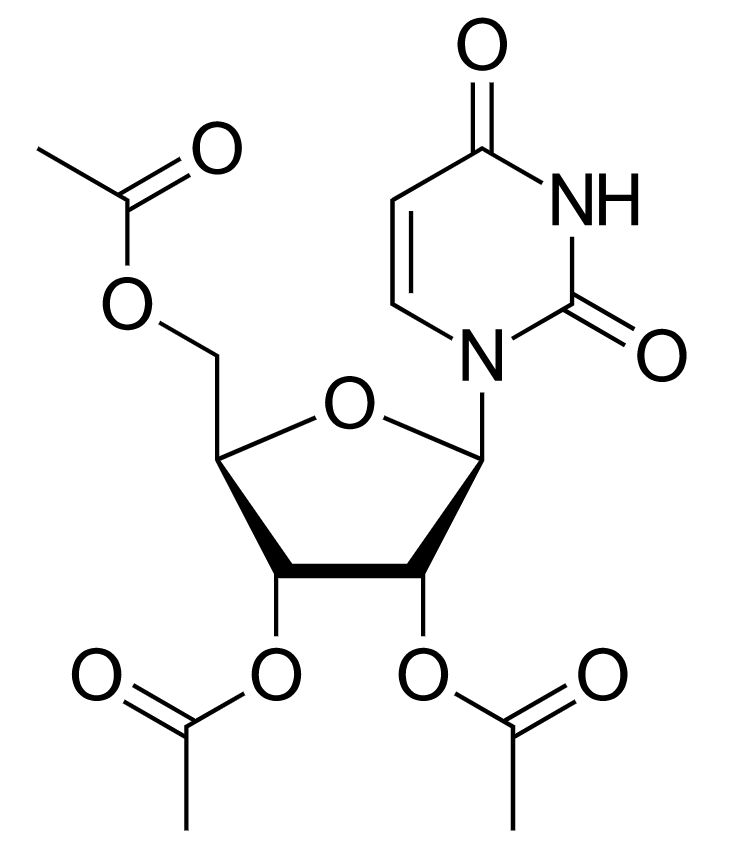
Imagen: “Bone marrow aspiration” por Turk J Haematol. Licencia: CC BY 2.5

Diagnóstico

  • Antecedentes detallados del paciente y de la familia
  • Estudios de laboratorio:
    • Química sanguínea:
      • Los LOS Neisseria niveles normales de amoníaco y BUN distinguen esta afección de la deficiencia de ornitina transcarbamilasa (OTC).
    • Biometría hemática
      • Anemia Anemia Anemia is a condition in which individuals have low Hb levels, which can arise from various causes. Anemia is accompanied by a reduced number of RBCs and may manifest with fatigue, shortness of breath, pallor, and weakness. Subtypes are classified by the size of RBCs, chronicity, and etiology. Anemia: Overview and Types megaloblástica hipocrómica macrocítica debido a que la médula produce eritrocitos inmaduros (megaloblastos) anormalmente grandes y estructuralmente anormales
      • Puede tener leucopenia
    • Examen de la orina:
      • Niveles elevados de ácido orótico
  • Confirmación adicional a través de pruebas genéticas moleculares del gen UMPS

Tratamiento

  • Suplementos de monofosfato de uridina
  • Triacetato de uridina (Xuriden): restaura el monofosfato de uridina
  • El tratamiento adicional se enfoca en EN Erythema nodosum is an immune-mediated panniculitis (inflammation of the subcutaneous fat) caused by a type IV (delayed-type) hypersensitivity reaction. It commonly manifests in young women as tender, erythematous nodules on the shins. Erythema Nodosum síntomas específicos que están presentes en EN Erythema nodosum is an immune-mediated panniculitis (inflammation of the subcutaneous fat) caused by a type IV (delayed-type) hypersensitivity reaction. It commonly manifests in young women as tender, erythematous nodules on the shins. Erythema Nodosum cada individuo
  • El asesoramiento genético puede ser beneficioso
Triacetato de uridina estructura Aciduria orótica

Estructura del triacetato de uridina, un promedicamento de uridina activo por vía oral que se utiliza en el tratamiento de la aciduria orótica

Imagen: “Uridine triacetate structure” por Vaccinationist. Licencia: Dominio Público

Diagnóstico Diferencial

  • Deficiencia de OTC: afección recesiva ligada al AL Amyloidosis cromosoma X que causa una disfunción dentro del ciclo de la urea Urea A compound formed in the liver from ammonia produced by the deamination of amino acids. It is the principal end product of protein catabolism and constitutes about one half of the total urinary solids. Urea Cycle que conduce a la incapacidad de eliminar la urea Urea A compound formed in the liver from ammonia produced by the deamination of amino acids. It is the principal end product of protein catabolism and constitutes about one half of the total urinary solids. Urea Cycle. Esta afección es rápidamente fatal y provoca un coma Coma Coma is defined as a deep state of unarousable unresponsiveness, characterized by a score of 3 points on the GCS. A comatose state can be caused by a multitude of conditions, making the precise epidemiology and prognosis of coma difficult to determine. Coma dentro de los LOS Neisseria primeros días de vida. La deficiencia de OTC es similar a la aciduria orótica, ya que ambas elevan el nivel de ácido orótico en EN Erythema nodosum is an immune-mediated panniculitis (inflammation of the subcutaneous fat) caused by a type IV (delayed-type) hypersensitivity reaction. It commonly manifests in young women as tender, erythematous nodules on the shins. Erythema Nodosum la sangre. A diferencia de la aciduria orótica, la deficiencia de OTC provoca una elevación del amoníaco y reduce el BUN.
  • Intolerancia a la proteína lisinúrica: trastorno autosómico recesivo que provoca disfunción en EN Erythema nodosum is an immune-mediated panniculitis (inflammation of the subcutaneous fat) caused by a type IV (delayed-type) hypersensitivity reaction. It commonly manifests in young women as tender, erythematous nodules on the shins. Erythema Nodosum el tránsito de aminoácidos. Los LOS Neisseria lactantes se presentan con retraso en EN Erythema nodosum is an immune-mediated panniculitis (inflammation of the subcutaneous fat) caused by a type IV (delayed-type) hypersensitivity reaction. It commonly manifests in young women as tender, erythematous nodules on the shins. Erythema Nodosum el crecimiento, trastornos gastrointestinales (e.g., vómitos, diarrea), hepatoesplenomegalia y osteoporosis Osteoporosis Osteoporosis refers to a decrease in bone mass and density leading to an increased number of fractures. There are 2 forms of osteoporosis: primary, which is commonly postmenopausal or senile; and secondary, which is a manifestation of immobilization, underlying medical disorders, or long-term use of certain medications. Osteoporosis. Los LOS Neisseria pacientes son diagnosticados sobre la base de concentraciones elevadas de lisina, arginina y ornitina en EN Erythema nodosum is an immune-mediated panniculitis (inflammation of the subcutaneous fat) caused by a type IV (delayed-type) hypersensitivity reaction. It commonly manifests in young women as tender, erythematous nodules on the shins. Erythema Nodosum la orina, con concentraciones bajas de estos aminoácidos en EN Erythema nodosum is an immune-mediated panniculitis (inflammation of the subcutaneous fat) caused by a type IV (delayed-type) hypersensitivity reaction. It commonly manifests in young women as tender, erythematous nodules on the shins. Erythema Nodosum la sangre. El tratamiento apropiado es con restricción de proteínas y suplementos dietéticos. A diferencia de la aciduria orótica, estos pacientes no tendrán niveles elevados de ácido orótico en EN Erythema nodosum is an immune-mediated panniculitis (inflammation of the subcutaneous fat) caused by a type IV (delayed-type) hypersensitivity reaction. It commonly manifests in young women as tender, erythematous nodules on the shins. Erythema Nodosum la orina y las pruebas genéticas no mostrarán una mutación del gen UMPS.
  • Galactosemia Galactosemia Galactosemia is a disorder caused by defects in galactose metabolism. Galactosemia is an inherited, autosomal-recessive condition, which results in inadequate galactose processing and high blood levels of monosaccharide. The rare disorder often presents in infants with symptoms of lethargy, nausea, vomiting, diarrhea, and jaundice. Galactosemia: trastorno autosómico recesivo causado por defectos en EN Erythema nodosum is an immune-mediated panniculitis (inflammation of the subcutaneous fat) caused by a type IV (delayed-type) hypersensitivity reaction. It commonly manifests in young women as tender, erythematous nodules on the shins. Erythema Nodosum el metabolismo de la galactosa. Los LOS Neisseria lactantes se presentan con letargo, náuseas, vómitos e ictericia. El diagnóstico se confirma mediante análisis de sangre en EN Erythema nodosum is an immune-mediated panniculitis (inflammation of the subcutaneous fat) caused by a type IV (delayed-type) hypersensitivity reaction. It commonly manifests in young women as tender, erythematous nodules on the shins. Erythema Nodosum busca de genes Genes A category of nucleic acid sequences that function as units of heredity and which code for the basic instructions for the development, reproduction, and maintenance of organisms. DNA Types and Structure necesarios para el metabolismo de la galactosa. El tratamiento consiste en EN Erythema nodosum is an immune-mediated panniculitis (inflammation of the subcutaneous fat) caused by a type IV (delayed-type) hypersensitivity reaction. It commonly manifests in young women as tender, erythematous nodules on the shins. Erythema Nodosum evitar la lactosa y la galactosa. A diferencia de la aciduria orótica, los LOS Neisseria pacientes no tendrán niveles elevados de ácido orótico en EN Erythema nodosum is an immune-mediated panniculitis (inflammation of the subcutaneous fat) caused by a type IV (delayed-type) hypersensitivity reaction. It commonly manifests in young women as tender, erythematous nodules on the shins. Erythema Nodosum la orina.

Referencias

  1. AccessPediatrics. (n.d.). Orotic aciduria. In Syndromes. McGraw Hill Medical. Retrieved from https://accesspediatrics.mhmedical.com/content.aspx?bookid=2674&sectionid=220540401
  2. Lodish, H., Berk, A., Kaiser, C. A., Krieger, M., Bretscher, A., Ploegh, H., Amon, A., & Martin, K. C. (2021). Molecular cell biology (9th ed.). W. H. Freeman.
  3. Mehreen, A., Tariq, K., Ahmad, H., Yousafzai, I. K., Ahsan, N., Kulsoom, J., Ali, H., Khan, A. I., & Robab, Z. (2024). Advancing insights into inborn errors of metabolism; diagnosis and therapeutics. International Journal of Basic Medical Sciences and Pharmacy (IJBMSP), 11(2), 15. Retrieved from https://ijbmsp.org/index.php/IJBMSP/article/viewFile/139/115
  4. Nelson, D. L., & Cox, M. M. (2021). Lehninger principles of biochemistry (8th ed.). W.H. Freeman.
  5. Nyhan, W. L., & Hoffmann, G. F. (2020). Atlas of inherited metabolic diseases. Routledge & CRC Press. https://www.routledge.com/Atlas-of-Inherited-Metabolic-Diseases/Nyhan-Hoffmann/p/book/9781138196599

¡Crea tu cuenta gratis o inicia una sesión para seguir leyendo!

Regístrate ahora y obtén acceso gratuito a Lecturio con páginas de concepto, videos médicos y cuestionarios para tu educación médica.

User Reviews

Details