Domina Conceptos Médicos

Estudia para la escuela de medicina y tus examenes con Lecturio.

Síndrome de Chédiak-Higashi

El síndrome de Chédiak-Higashi es un trastorno autosómico recesivo causado por mutaciones que afectan a una proteína reguladora del tráfico lisosómico. Esta proteína desempeña un papel crucial en EN Erythema nodosum is an immune-mediated panniculitis (inflammation of the subcutaneous fat) caused by a type IV (delayed-type) hypersensitivity reaction. It commonly manifests in young women as tender, erythematous nodules on the shins. Erythema Nodosum la incapacidad de los LOS Neisseria neutrófilos para eliminar los LOS Neisseria microbios fagocitados. Los LOS Neisseria pacientes con síndrome de Chédiak-Higashi presentan infecciones piógenas recurrentes, hemorragias y hematomas fáciles y manifestaciones neurológicas. El síndrome también está asociado al AL Amyloidosis albinismo oculocutáneo. El diagnóstico se realiza a partir de análisis del frotis de sangre o de médula ósea del paciente y de pruebas genéticas. El tratamiento de elección es el trasplante alogénico de células hematopoyéticas.

Last updated: Dec 15, 2025

Editorial responsibility: Stanley Oiseth, Lindsay Jones, Evelin Maza

Descripción General

Epidemiología

  • Incidencia: < 1 en EN Erythema nodosum is an immune-mediated panniculitis (inflammation of the subcutaneous fat) caused by a type IV (delayed-type) hypersensitivity reaction. It commonly manifests in young women as tender, erythematous nodules on the shins. Erythema Nodosum 1 millón de personas
  • Se han notificado < 500 casos a nivel mundial
  • La mayoría de los LOS Neisseria pacientes mueren antes de los LOS Neisseria 7 años de edad.

Etiología

  • Modo de herencia: autosómico recesivo
  • Gen: mutaciones en EN Erythema nodosum is an immune-mediated panniculitis (inflammation of the subcutaneous fat) caused by a type IV (delayed-type) hypersensitivity reaction. It commonly manifests in young women as tender, erythematous nodules on the shins. Erythema Nodosum el gen CHS1 (o LYST)
    • Codifica para un regulador del tráfico lisosomal, que desempeña un papel en EN Erythema nodosum is an immune-mediated panniculitis (inflammation of the subcutaneous fat) caused by a type IV (delayed-type) hypersensitivity reaction. It commonly manifests in young women as tender, erythematous nodules on the shins. Erythema Nodosum el transporte de materiales hacia los LOS Neisseria lisosomas
    • Se desconoce el rol exacto que desempeñan las proteínas reguladoras del tráfico lisosómico en EN Erythema nodosum is an immune-mediated panniculitis (inflammation of the subcutaneous fat) caused by a type IV (delayed-type) hypersensitivity reaction. It commonly manifests in young women as tender, erythematous nodules on the shins. Erythema Nodosum la eliminación de los LOS Neisseria microbios en EN Erythema nodosum is an immune-mediated panniculitis (inflammation of the subcutaneous fat) caused by a type IV (delayed-type) hypersensitivity reaction. It commonly manifests in young women as tender, erythematous nodules on the shins. Erythema Nodosum los LOS Neisseria lisosomas.

Fisiopatología

  • Alteración de función, mantenimiento y tráfico lisosomal → fallo en EN Erythema nodosum is an immune-mediated panniculitis (inflammation of the subcutaneous fat) caused by a type IV (delayed-type) hypersensitivity reaction. It commonly manifests in young women as tender, erythematous nodules on the shins. Erythema Nodosum la formación de fagolisosomas → las bacterias fagocitadas no son destruidas por las enzimas lisosomales
  • Efectos adicionales:
    • Deterioro de la quimiotaxis, función reducida de las células natural killer y citólisis deficiente → mayor susceptibilidad a infecciones
    • Los LOS Neisseria melanocitos son incapaces de transferir melanina a los LOS Neisseria queratinocitos → albinismo
    • ↓ Gránulos de almacenamiento de plaquetas → alteración de la agregación plaquetaria → hemorragia

Presentación Clínica

Signos y síntomas generales

Los LOS Neisseria signos y síntomas que suelen aparecer poco después del nacimiento son los LOS Neisseria siguientes:

  • Albinismo oculocutáneo (piel, ojos y cabello no pigmentados)
  • Linfadenopatías
  • Gingivitis Gingivitis Inflammation of gum tissue (gingiva) without loss of connective tissue. Chédiak-Higashi Syndrome y enfermedad periodontal
  • Úlceras orales
  • Hemorragias:
  • Inmunodeficiencia:
    • Infecciones sinopulmonares piógenas severas y recurrentes
    • Organismos comunes:
      • Staphylococcus aureus Staphylococcus aureus Potentially pathogenic bacteria found in nasal membranes, skin, hair follicles, and perineum of warm-blooded animals. They may cause a wide range of infections and intoxications. Brain Abscess (más común)
      • Streptococcus Streptococcus Streptococcus is one of the two medically important genera of gram-positive cocci, the other being Staphylococcus. Streptococci are identified as different species on blood agar on the basis of their hemolytic pattern and sensitivity to optochin and bacitracin. There are many pathogenic species of streptococci, including S. pyogenes, S. agalactiae, S. pneumoniae, and the viridans streptococci. Streptococcus
      • Hongos

Manifestaciones neurológicas de aparición tardía, las cuales aparecen en EN Erythema nodosum is an immune-mediated panniculitis (inflammation of the subcutaneous fat) caused by a type IV (delayed-type) hypersensitivity reaction. It commonly manifests in young women as tender, erythematous nodules on the shins. Erythema Nodosum individuos que sobreviven la primera infancia tras tratamiento curativo:

  • Neuropatías centrales y periféricas
  • Pérdida sensorial
  • Debilidad muscular
  • Parkinsonismo
  • Ataxia Ataxia Impairment of the ability to perform smoothly coordinated voluntary movements. This condition may affect the limbs, trunk, eyes, pharynx, larynx, and other structures. Ataxia may result from impaired sensory or motor function. Sensory ataxia may result from posterior column injury or peripheral nerve diseases. Motor ataxia may be associated with cerebellar diseases; cerebral cortex diseases; thalamic diseases; basal ganglia diseases; injury to the red nucleus; and other conditions. Ataxia-telangiectasia cerebelosa
  • Deterioro cognitivo
Ojos hipopigmentados Síndrome de Chediak-Higashi

Ojos y pestañas hipopigmentados en un paciente con albinismo oculocutáneo:
Esto puede observarse en el síndrome de Chédiak-Higashi.

Imagen: “Eyes from a patient with OCA1A” por Karen G et al. Licencia: CC BY 2.0

Fase acelerada

El síndrome de Chédiak-Higashi puede progresar a una fase acelerada caracterizada por linfohistiocitosis hemofagocítica (LHH), en EN Erythema nodosum is an immune-mediated panniculitis (inflammation of the subcutaneous fat) caused by a type IV (delayed-type) hypersensitivity reaction. It commonly manifests in young women as tender, erythematous nodules on the shins. Erythema Nodosum la que leucocitos hiperactivos causan inflamación excesiva y daño tisular. Se desarrolla en EN Erythema nodosum is an immune-mediated panniculitis (inflammation of the subcutaneous fat) caused by a type IV (delayed-type) hypersensitivity reaction. It commonly manifests in young women as tender, erythematous nodules on the shins. Erythema Nodosum el 80-85% de los LOS Neisseria pacientes con síndrome de Chédiak-Higashi y suele ser letal. Los LOS Neisseria signos y síntomas incluyen:
  • Fiebre
  • Ictericia
  • Hepatoesplenomegalia
  • Linfadenopatías
  • Pancitopenia
  • Hemorragia anormal
  • Inmunodeficiencia profunda
  • Fallo orgánico

Diagnóstico

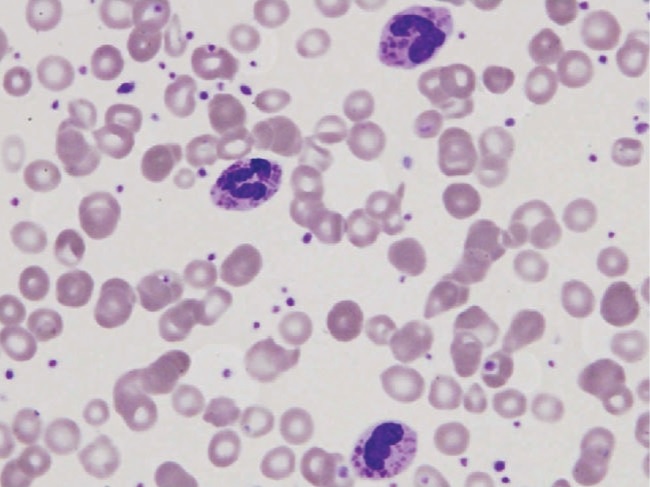
  • Frotis de sangre periférica: pueden verse gránulos azurófilos gigantes en EN Erythema nodosum is an immune-mediated panniculitis (inflammation of the subcutaneous fat) caused by a type IV (delayed-type) hypersensitivity reaction. It commonly manifests in young women as tender, erythematous nodules on the shins. Erythema Nodosum
    • Neutrófilos
    • Eosinófilos
    • Granulocitos
  • Frotis de médula ósea:
    • Muestra “cuerpos de inclusión gigantes” en EN Erythema nodosum is an immune-mediated panniculitis (inflammation of the subcutaneous fat) caused by a type IV (delayed-type) hypersensitivity reaction. It commonly manifests in young women as tender, erythematous nodules on the shins. Erythema Nodosum las células precursoras de leucocitos
    • Los LOS Neisseria gránulos son positivos para la peroxidasa y contienen enzimas lisosomales.
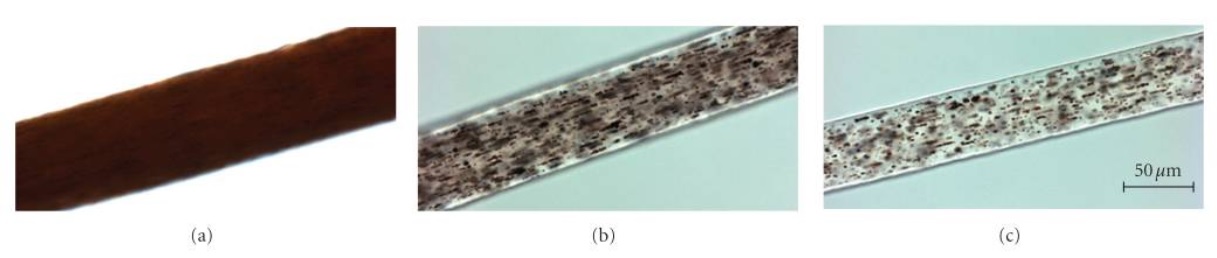
  • Examen microscópico del cabello:
    • Gránulos de melanina agrupados que son más grandes que los LOS Neisseria que se encuentran en EN Erythema nodosum is an immune-mediated panniculitis (inflammation of the subcutaneous fat) caused by a type IV (delayed-type) hypersensitivity reaction. It commonly manifests in young women as tender, erythematous nodules on the shins. Erythema Nodosum los LOS Neisseria pelos normales
    • Patrón de refringencia brillante y policromático
  • Pruebas genéticas para detectar mutaciones en EN Erythema nodosum is an immune-mediated panniculitis (inflammation of the subcutaneous fat) caused by a type IV (delayed-type) hypersensitivity reaction. It commonly manifests in young women as tender, erythematous nodules on the shins. Erythema Nodosum el gen LYST
  • Evaluación de laboratorio de apoyo:
    • Neutropenia Neutropenia Neutrophils are an important component of the immune system and play a significant role in the eradication of infections. Low numbers of circulating neutrophils, referred to as neutropenia, predispose the body to recurrent infections or sepsis, though patients can also be asymptomatic. Neutropenia
    • Hipergammaglobulinemia

Tratamiento

  • Tratamiento de elección: trasplante alogénico de células hematopoyéticas curativo
  • Tratamiento de soporte:
    • Antibióticos profilácticos
    • Terapia antibiótica agresiva para infecciones bacterianas agudas
    • Inmunizaciones de rutina
    • Transfusiones de plaquetas en EN Erythema nodosum is an immune-mediated panniculitis (inflammation of the subcutaneous fat) caused by a type IV (delayed-type) hypersensitivity reaction. It commonly manifests in young women as tender, erythematous nodules on the shins. Erythema Nodosum caso de hemorragia grave
    • Tratamiento de la fase acelerada:
      • Corticosteroides
      • Inmunoglobulina intravenosa
      • Quimioterapia (e.g., etopósido, metotrexato)
      • Esplenectomía

Diagnóstico Diferencial

  • Deficiencia de adhesión leucocitaria tipo 1: afección hereditaria que da lugar a una falta de expresión de CD18 CD18 Cell-surface glycoprotein beta-chains that are non-covalently linked to specific alpha-chains of the cd11 family of leukocyte-adhesion molecules (receptors, leukocyte-adhesion). A defect in the gene encoding cd18 causes leukocyte-adhesion deficiency syndrome. Leukocyte Adhesion Deficiency Type 1 en EN Erythema nodosum is an immune-mediated panniculitis (inflammation of the subcutaneous fat) caused by a type IV (delayed-type) hypersensitivity reaction. It commonly manifests in young women as tender, erythematous nodules on the shins. Erythema Nodosum los LOS Neisseria neutrófilos, lo que conlleva una disminución de la capacidad de los LOS Neisseria neutrófilos para migrar desde los LOS Neisseria vasos sanguíneos. Los LOS Neisseria pacientes con esta enfermedad tendrán infecciones recurrentes, retraso en EN Erythema nodosum is an immune-mediated panniculitis (inflammation of the subcutaneous fat) caused by a type IV (delayed-type) hypersensitivity reaction. It commonly manifests in young women as tender, erythematous nodules on the shins. Erythema Nodosum la cicatrización de las heridas y un recuento elevado de neutrófilos. La deficiencia no está asociada a albinismo oculocutáneo. El diagnóstico se confirma con una citometría de flujo que demuestra una deficiencia de CD18 CD18 Cell-surface glycoprotein beta-chains that are non-covalently linked to specific alpha-chains of the cd11 family of leukocyte-adhesion molecules (receptors, leukocyte-adhesion). A defect in the gene encoding cd18 causes leukocyte-adhesion deficiency syndrome. Leukocyte Adhesion Deficiency Type 1. El trasplante de células madre hematopoyéticas es el tratamiento de elección.
  • Enfermedad granulomatosa crónica: una consecuencia de células fagocíticas defectuosas. Los LOS Neisseria pacientes tendrán infecciones recurrentes, abscesos y lesiones granulomatosas de múltiples órganos. Puede observarse una hipergammaglobulinemia. El diagnóstico se realiza con pruebas de función de neutrófilos evaluando la producción de superóxido. La profilaxis antimicrobiana, el interferón gamma, la transfusión de granulocitos y el trasplante de células madre hematopoyéticas son posibles opciones de tratamiento.
  • Neutropenia Neutropenia Neutrophils are an important component of the immune system and play a significant role in the eradication of infections. Low numbers of circulating neutrophils, referred to as neutropenia, predispose the body to recurrent infections or sepsis, though patients can also be asymptomatic. Neutropenia congénita grave: una enfermedad rara resultante de mutaciones genéticas que afectan a la mielopoyesis. La enfermedad se manifiesta en EN Erythema nodosum is an immune-mediated panniculitis (inflammation of the subcutaneous fat) caused by a type IV (delayed-type) hypersensitivity reaction. It commonly manifests in young women as tender, erythematous nodules on the shins. Erythema Nodosum la infancia con infecciones bacterianas que ponen en EN Erythema nodosum is an immune-mediated panniculitis (inflammation of the subcutaneous fat) caused by a type IV (delayed-type) hypersensitivity reaction. It commonly manifests in young women as tender, erythematous nodules on the shins. Erythema Nodosum peligro la vida. La neutropenia Neutropenia Neutrophils are an important component of the immune system and play a significant role in the eradication of infections. Low numbers of circulating neutrophils, referred to as neutropenia, predispose the body to recurrent infections or sepsis, though patients can also be asymptomatic. Neutropenia se encuentra en EN Erythema nodosum is an immune-mediated panniculitis (inflammation of the subcutaneous fat) caused by a type IV (delayed-type) hypersensitivity reaction. It commonly manifests in young women as tender, erythematous nodules on the shins. Erythema Nodosum la evaluación de laboratorio, a menudo con un recuento elevado de monocitos. Una biopsia de médula ósea también ayudará al AL Amyloidosis diagnóstico. El tratamiento incluye factor estimulante de colonias de granulocitos y trasplante de células madre hematopoyéticas.
  • Deficiencia de mieloperoxidasa: un trastorno autosómico recesivo que provoca alteración en EN Erythema nodosum is an immune-mediated panniculitis (inflammation of the subcutaneous fat) caused by a type IV (delayed-type) hypersensitivity reaction. It commonly manifests in young women as tender, erythematous nodules on the shins. Erythema Nodosum la eliminación de microbios por parte de los LOS Neisseria fagocitos. La mayoría de los LOS Neisseria pacientes son asintomáticos, mientras que otros pueden tener infecciones fúngicas recurrentes y severas. El diagnóstico se realiza con la tinción histoquímica de mieloperoxidasa en EN Erythema nodosum is an immune-mediated panniculitis (inflammation of the subcutaneous fat) caused by a type IV (delayed-type) hypersensitivity reaction. It commonly manifests in young women as tender, erythematous nodules on the shins. Erythema Nodosum neutrófilos. No existe un tratamiento específico para esta afección, pero los LOS Neisseria pacientes deben recibir tratamiento para cualquier infección.

Referencias

  1. Nowicki, R.J. (2019). Chediak-Higashi syndrome. In Elston, D.M. (Ed.), Medscape. Retrieved November 6, 2024, from https://emedicine.medscape.com/article/1114607-overview
  2. Boztug, K. (2023). Chediak-Higashi syndrome. In TePas, E. (Ed.), UpToDate. Retrieved November 6, 2024, from https://www.uptodate.com/contents/chediak-higashi-syndrome
  3. Fernandez, J. (2024). Chediak-Higashi syndrome. [online] MSD Manual Professional Version. Retrieved November 6, 2024, from https://www.msdmanuals.com/professional/immunology-allergic-disorders/immunodeficiency-disorders/ch%C3%A9diak-higashi-syndrome
  4. Ajitkumar, A., Yarrarapu, S.N.S., and Ramphul, K. (2023). Chediak Higashi syndrome. [online] StatPearls. Retrieved November 6, 2024, from https://www.ncbi.nlm.nih.gov/books/NBK507881/

¡Crea tu cuenta gratis o inicia una sesión para seguir leyendo!

Regístrate ahora y obtén acceso gratuito a Lecturio con páginas de concepto, videos médicos y cuestionarios para tu educación médica.

User Reviews

Que tengas una sesión de estudio alegre y navideña 🎁 Ahorra 50% en todos los planes >>

Details