Domina Conceptos Médicos

Estudia para la escuela de medicina y tus examenes con Lecturio.

Tipos de Sesgos

Los LOS Neisseria estudios epidemiológicos están diseñados para evaluar una relación hipotética entre una exposición y un resultado; sin embargo, la existencia y/o la magnitud de estas relaciones pueden verse afectadas erróneamente por el diseño y la ejecución del propio estudio o por errores conscientes o inconscientes perpetrados por los LOS Neisseria investigadores o los LOS Neisseria sujetos. Estos errores sistemáticos se denominan sesgos. Si no se evitan o no se tienen en EN Erythema nodosum is an immune-mediated panniculitis (inflammation of the subcutaneous fat) caused by a type IV (delayed-type) hypersensitivity reaction. It commonly manifests in young women as tender, erythematous nodules on the shins. Erythema Nodosum cuenta, los LOS Neisseria sesgos pueden invalidar por completo los LOS Neisseria resultados de un estudio que, por lo demás, está bien planteado.

Last updated: Dec 15, 2025

Editorial responsibility: Stanley Oiseth, Lindsay Jones, Evelin Maza

Definición de Sesgo

El sesgo es un error Error Refers to any act of commission (doing something wrong) or omission (failing to do something right) that exposes patients to potentially hazardous situations. Disclosure of Information en EN Erythema nodosum is an immune-mediated panniculitis (inflammation of the subcutaneous fat) caused by a type IV (delayed-type) hypersensitivity reaction. It commonly manifests in young women as tender, erythematous nodules on the shins. Erythema Nodosum el diseño, la realización o el análisis de un estudio que da lugar a una desviación del resultado de una prueba estadística con respecto a su valor real. Esto da lugar a una estimación incorrecta de una asociación entre una exposición y la población diana, de manera que el resultado de la prueba generado se desvía de su valor real.

  • Los LOS Neisseria sesgos no pueden eliminarse por completo, pero pueden reducirse/minimizarse mediante un diseño adecuado del estudio.
  • 2 grandes subtipos de sesgo:
    • Sesgo de selección: sesgo causado por alguna preferencia en EN Erythema nodosum is an immune-mediated panniculitis (inflammation of the subcutaneous fat) caused by a type IV (delayed-type) hypersensitivity reaction. It commonly manifests in young women as tender, erythematous nodules on the shins. Erythema Nodosum la forma de elegir a los LOS Neisseria sujetos que hace HACE Altitude Sickness que los LOS Neisseria grupos de estudio sean diferentes de la población diana
    • Sesgo de información: sesgo que da lugar a un error Error Refers to any act of commission (doing something wrong) or omission (failing to do something right) that exposes patients to potentially hazardous situations. Disclosure of Information sistemático en EN Erythema nodosum is an immune-mediated panniculitis (inflammation of the subcutaneous fat) caused by a type IV (delayed-type) hypersensitivity reaction. It commonly manifests in young women as tender, erythematous nodules on the shins. Erythema Nodosum la forma de medir o recoger los LOS Neisseria datos
Posibles efectos de los LOS Neisseria sesgos
Enmascaramiento Oculta una relación existente entre la variable Variable Variables represent information about something that can change. The design of the measurement scales, or of the methods for obtaining information, will determine the data gathered and the characteristics of that data. As a result, a variable can be qualitative or quantitative, and may be further classified into subgroups. Types of Variables independiente y la dependiente
Relaciones falsas Crea relaciones falsas entre la variable Variable Variables represent information about something that can change. The design of the measurement scales, or of the methods for obtaining information, will determine the data gathered and the characteristics of that data. As a result, a variable can be qualitative or quantitative, and may be further classified into subgroups. Types of Variables independiente y la dependiente
Sobreestimación Exagera el tamaño de una relación existente entre la variable Variable Variables represent information about something that can change. The design of the measurement scales, or of the methods for obtaining information, will determine the data gathered and the characteristics of that data. As a result, a variable can be qualitative or quantitative, and may be further classified into subgroups. Types of Variables independiente y la dependiente
Subestimación Disminuye el tamaño de una relación existente entre la variable Variable Variables represent information about something that can change. The design of the measurement scales, or of the methods for obtaining information, will determine the data gathered and the characteristics of that data. As a result, a variable can be qualitative or quantitative, and may be further classified into subgroups. Types of Variables independiente y la dependiente

Sesgo de Selección

Definición

El sesgo de selección es el error Error Refers to any act of commission (doing something wrong) or omission (failing to do something right) that exposes patients to potentially hazardous situations. Disclosure of Information que se introduce cuando la población del estudio no representa a la población diana debido a alguna preferencia de selección.

  • Resulta en EN Erythema nodosum is an immune-mediated panniculitis (inflammation of the subcutaneous fat) caused by a type IV (delayed-type) hypersensitivity reaction. It commonly manifests in young women as tender, erythematous nodules on the shins. Erythema Nodosum una asociación inexistente entre la exposición y el resultado
  • Puede existir una preferencia de selección:
    • Entre grupos de estudio
    • Entre los LOS Neisseria participantes seleccionados y excluidos para el estudio

Ejemplos comunes de sesgo de selección

  • Efecto del trabajador sano: el sesgo se produce porque los LOS Neisseria sujetos reclutados en EN Erythema nodosum is an immune-mediated panniculitis (inflammation of the subcutaneous fat) caused by a type IV (delayed-type) hypersensitivity reaction. It commonly manifests in young women as tender, erythematous nodules on the shins. Erythema Nodosum un entorno laboral tienden a ser más sanos y activos que la población general
    • Tiende a llevar a una subestimación de la morbilidad o la mortalidad en EN Erythema nodosum is an immune-mediated panniculitis (inflammation of the subcutaneous fat) caused by a type IV (delayed-type) hypersensitivity reaction. It commonly manifests in young women as tender, erythematous nodules on the shins. Erythema Nodosum comparación con la población general
  • Sesgo de pérdida de seguimiento: se produce debido a la pérdida de datos de los LOS Neisseria participantes que se pierden durante el curso del estudio por pérdida de interés, efecto adverso, mejora clínica, etc ETC The electron transport chain (ETC) sends electrons through a series of proteins, which generate an electrochemical proton gradient that produces energy in the form of adenosine triphosphate (ATP). Electron Transport Chain (ETC).
    • Conduce a una reducción del tamaño efectivo de la muestra
    • El sesgo se produce si los LOS Neisseria grupos del estudio no son comparables o si los LOS Neisseria sujetos que se pierden para el seguimiento difieren en EN Erythema nodosum is an immune-mediated panniculitis (inflammation of the subcutaneous fat) caused by a type IV (delayed-type) hypersensitivity reaction. It commonly manifests in young women as tender, erythematous nodules on the shins. Erythema Nodosum la exposición y/o el resultado de los LOS Neisseria que permanecen en EN Erythema nodosum is an immune-mediated panniculitis (inflammation of the subcutaneous fat) caused by a type IV (delayed-type) hypersensitivity reaction. It commonly manifests in young women as tender, erythematous nodules on the shins. Erythema Nodosum el estudio.
  • Sesgo de susceptibilidad: en EN Erythema nodosum is an immune-mediated panniculitis (inflammation of the subcutaneous fat) caused by a type IV (delayed-type) hypersensitivity reaction. It commonly manifests in young women as tender, erythematous nodules on the shins. Erythema Nodosum los LOS Neisseria casos en EN Erythema nodosum is an immune-mediated panniculitis (inflammation of the subcutaneous fat) caused by a type IV (delayed-type) hypersensitivity reaction. It commonly manifests in young women as tender, erythematous nodules on the shins. Erythema Nodosum que una primera enfermedad predispone a una segunda enfermedad, el tratamiento de los LOS Neisseria sujetos con la primera enfermedad parece predisponer erróneamente a causar la segunda enfermedad.
  • Sesgo de supervivencia: se produce cuando los LOS Neisseria datos se recogen solo de los LOS Neisseria sujetos que han sobrevivido a un resultado o han cumplido algún otro criterio clínico relacionado con él
  • Sesgo de Berkson: se produce debido a que los LOS Neisseria sujetos son elegidos de un segmento específico de la población que tiene un riesgo más o menos intrínseco de tener el resultado que la población general
    • También llamada falacia de Berkson o paradoja de Berkson
    • Por ejemplo, los LOS Neisseria pacientes hospitalizados tienen un mayor riesgo de padecer alguna enfermedad que la población general, independientemente de la exposición; por lo tanto, en EN Erythema nodosum is an immune-mediated panniculitis (inflammation of the subcutaneous fat) caused by a type IV (delayed-type) hypersensitivity reaction. It commonly manifests in young women as tender, erythematous nodules on the shins. Erythema Nodosum un estudio que analice la relación entre el tabaquismo y la enfermedad pulmonar obstructiva crónica, la elección de sujetos hospitalizados para el grupo experimental dará lugar a una mayor asociación en EN Erythema nodosum is an immune-mediated panniculitis (inflammation of the subcutaneous fat) caused by a type IV (delayed-type) hypersensitivity reaction. It commonly manifests in young women as tender, erythematous nodules on the shins. Erythema Nodosum comparación con la que se observaría en EN Erythema nodosum is an immune-mediated panniculitis (inflammation of the subcutaneous fat) caused by a type IV (delayed-type) hypersensitivity reaction. It commonly manifests in young women as tender, erythematous nodules on the shins. Erythema Nodosum el público general.
    • La mayor morbilidad de los LOS Neisseria pacientes hospitalizados en EN Erythema nodosum is an immune-mediated panniculitis (inflammation of the subcutaneous fat) caused by a type IV (delayed-type) hypersensitivity reaction. It commonly manifests in young women as tender, erythematous nodules on the shins. Erythema Nodosum relación con la población general puede crear asociaciones falsas entre las enfermedades.

Sesgo de Información

Definición

El sesgo de información es el resultado de errores sistemáticos en EN Erythema nodosum is an immune-mediated panniculitis (inflammation of the subcutaneous fat) caused by a type IV (delayed-type) hypersensitivity reaction. It commonly manifests in young women as tender, erythematous nodules on the shins. Erythema Nodosum la medición de alguna exposición, resultado o variable Variable Variables represent information about something that can change. The design of the measurement scales, or of the methods for obtaining information, will determine the data gathered and the characteristics of that data. As a result, a variable can be qualitative or quantitative, and may be further classified into subgroups. Types of Variables. Los LOS Neisseria principales tipos de sesgo de información son el sesgo de clasificación errónea, el sesgo de recuerdo, el sesgo del entrevistador, el sesgo de respuesta, el sesgo de reporte, el sesgo del observador, el sesgo de comprobación y el sesgo de confirmación.

Ejemplos de sesgo de información

  • Sesgo de clasificación errónea: resulta de la clasificación errónea de la exposición o del resultado de salud de los LOS Neisseria sujetos de un estudio. Las personas que no tienen una enfermedad se clasifican como si la tuvieran, y viceversa.
    • Las razones más comunes son la inexactitud de los LOS Neisseria registros, las diferentes definiciones de la enfermedad o los LOS Neisseria diferentes criterios de diagnóstico.
    • Diferencial: causado por una diferencia de medición que existe entre los LOS Neisseria grupos de estudio
    • No diferencial: causado por mediciones igualmente inexactas o aleatorias en EN Erythema nodosum is an immune-mediated panniculitis (inflammation of the subcutaneous fat) caused by a type IV (delayed-type) hypersensitivity reaction. It commonly manifests in young women as tender, erythematous nodules on the shins. Erythema Nodosum todos los LOS Neisseria grupos del estudio
  • Sesgo de recuerdo: causado por el recuerdo diferencial (normalmente, mejorado) de los LOS Neisseria eventos por parte de los LOS Neisseria sujetos de caso en EN Erythema nodosum is an immune-mediated panniculitis (inflammation of the subcutaneous fat) caused by a type IV (delayed-type) hypersensitivity reaction. It commonly manifests in young women as tender, erythematous nodules on the shins. Erythema Nodosum comparación con los LOS Neisseria controles
  • Sesgo del entrevistador: se produce cuando el entrevistador influye en EN Erythema nodosum is an immune-mediated panniculitis (inflammation of the subcutaneous fat) caused by a type IV (delayed-type) hypersensitivity reaction. It commonly manifests in young women as tender, erythematous nodules on the shins. Erythema Nodosum las respuestas del participante a través del método, el contenido o el estilo de su interrogatorio
  • Sesgo de respuesta: se produce cuando los LOS Neisseria sujetos informan de lo que los LOS Neisseria investigadores quieren oír porque el sujeto quiere complacer al AL Amyloidosis entrevistador con su respuesta
  • Sesgo de reporte: se refiere a la tendencia de los LOS Neisseria investigadores a comunicar solo los LOS Neisseria resultados estadísticamente significativos, motivados por el deseo de publicar
  • Sesgo del observador: se produce debido a las diferencias que existen entre los LOS Neisseria observadores en EN Erythema nodosum is an immune-mediated panniculitis (inflammation of the subcutaneous fat) caused by a type IV (delayed-type) hypersensitivity reaction. It commonly manifests in young women as tender, erythematous nodules on the shins. Erythema Nodosum la forma de medir o evaluar un resultado o la diferencia en EN Erythema nodosum is an immune-mediated panniculitis (inflammation of the subcutaneous fat) caused by a type IV (delayed-type) hypersensitivity reaction. It commonly manifests in young women as tender, erythematous nodules on the shins. Erythema Nodosum la forma de actuar de un sujeto cuando se le observa
    • Sesgo resultante del efecto Hawthorne (véase más abajo)
  • Sesgo de comprobación: se produce cuando algunos sujetos tienen más probabilidades de ser incluidos en EN Erythema nodosum is an immune-mediated panniculitis (inflammation of the subcutaneous fat) caused by a type IV (delayed-type) hypersensitivity reaction. It commonly manifests in young women as tender, erythematous nodules on the shins. Erythema Nodosum los LOS Neisseria resultados finales que otros
    • Las fuentes comunes incluyen una diferencia de grupo en EN Erythema nodosum is an immune-mediated panniculitis (inflammation of the subcutaneous fat) caused by a type IV (delayed-type) hypersensitivity reaction. It commonly manifests in young women as tender, erythematous nodules on the shins. Erythema Nodosum el método o la frecuencia de tamizaje, el conocimiento del investigador de las asignaciones de los LOS Neisseria grupos de sujetos, o la preferencia de asignación de los LOS Neisseria sujetos en EN Erythema nodosum is an immune-mediated panniculitis (inflammation of the subcutaneous fat) caused by a type IV (delayed-type) hypersensitivity reaction. It commonly manifests in young women as tender, erythematous nodules on the shins. Erythema Nodosum los LOS Neisseria grupos de estudio.
  • Sesgo de confirmación: se produce debido a la tendencia de los LOS Neisseria investigadores a incluir solo los LOS Neisseria datos que coinciden con sus creencias preexistentes y/o apoyan su hipótesis
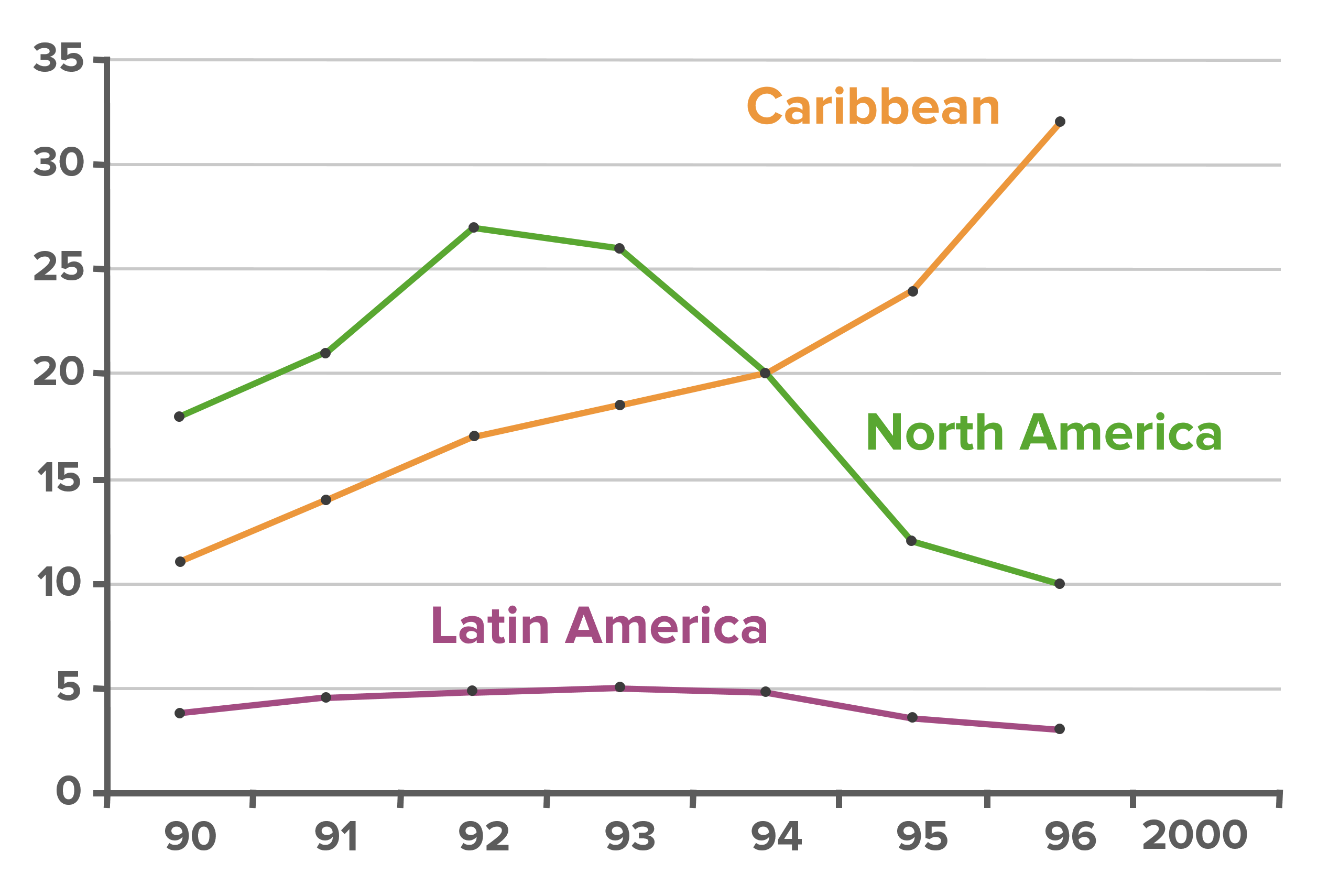
  • Sesgo de detección: se produce debido a una diferencia en EN Erythema nodosum is an immune-mediated panniculitis (inflammation of the subcutaneous fat) caused by a type IV (delayed-type) hypersensitivity reaction. It commonly manifests in young women as tender, erythematous nodules on the shins. Erythema Nodosum la forma de medir o detectar un resultado en EN Erythema nodosum is an immune-mediated panniculitis (inflammation of the subcutaneous fat) caused by a type IV (delayed-type) hypersensitivity reaction. It commonly manifests in young women as tender, erythematous nodules on the shins. Erythema Nodosum función de una característica particular del sujeto (véase la imagen 1).
  • Sesgo del experimentador: se produce cuando un sujeto se comporta de forma diferente en EN Erythema nodosum is an immune-mediated panniculitis (inflammation of the subcutaneous fat) caused by a type IV (delayed-type) hypersensitivity reaction. It commonly manifests in young women as tender, erythematous nodules on the shins. Erythema Nodosum función de las expectativas del investigador
    • Sesgo resultante del efecto Rosenthal (véase más abajo)
Sesgo de detección

Ejemplo de sesgo de detección. Arriba se muestra un gráfico del número de nuevos casos de SIDA por año por cada 100 000 habitantes en el periodo 1990–2000. Aunque el gráfico parece sugerir que los casos de SIDA en el Caribe están aumentando (línea naranja), en realidad, el incremento constante de nuevos casos se debe al aumento del número y la frecuencia de las pruebas de detección. Este es un ejemplo de sesgo de detección, un subtipo de sesgo de información.

Imagen por Lecturio.

Efectos Hawthorne y Rosenthal

Efecto Hawthorne

  • Se refiere a la tendencia de los LOS Neisseria sujetos de un estudio a comportarse o actuar de forma diferente (i.e., trabajar más) cuando saben que están siendo observados
  • Resulta y está relacionado con el sesgo del observador
  • Especialmente común en EN Erythema nodosum is an immune-mediated panniculitis (inflammation of the subcutaneous fat) caused by a type IV (delayed-type) hypersensitivity reaction. It commonly manifests in young women as tender, erythematous nodules on the shins. Erythema Nodosum los LOS Neisseria estudios psiquiátricos
  • El sesgo causado por este efecto es difícil de eliminar, pero puede reducirse ocultando a los LOS Neisseria sujetos el conocimiento de cuándo/cómo están siendo observados.

Efecto Rosenthal

  • Se refiere a la tendencia de los LOS Neisseria sujetos o investigadores a comportarse de forma diferente en EN Erythema nodosum is an immune-mediated panniculitis (inflammation of the subcutaneous fat) caused by a type IV (delayed-type) hypersensitivity reaction. It commonly manifests in young women as tender, erythematous nodules on the shins. Erythema Nodosum función de las expectativas de los LOS Neisseria demás
  • También llamado efecto Pigmalión
  • Por ejemplo, en EN Erythema nodosum is an immune-mediated panniculitis (inflammation of the subcutaneous fat) caused by a type IV (delayed-type) hypersensitivity reaction. It commonly manifests in young women as tender, erythematous nodules on the shins. Erythema Nodosum un estudio sobre la eficacia de un nuevo medicamento para tratar la depresión, los LOS Neisseria sujetos del grupo de tratamiento informan de una mejora de los LOS Neisseria síntomas depresivos porque los LOS Neisseria investigadores que los LOS Neisseria evalúan esperan que los LOS Neisseria sujetos que reciben el tratamiento mejoren.
  • Resulta y está relacionado con el sesgo del experimentador
  • El sesgo resultante de este efecto puede evitarse mediante el cegamiento.

Variables de Confusión

Definición

Una variable Variable Variables represent information about something that can change. The design of the measurement scales, or of the methods for obtaining information, will determine the data gathered and the characteristics of that data. As a result, a variable can be qualitative or quantitative, and may be further classified into subgroups. Types of Variables de confusión es una variable Variable Variables represent information about something that can change. The design of the measurement scales, or of the methods for obtaining information, will determine the data gathered and the characteristics of that data. As a result, a variable can be qualitative or quantitative, and may be further classified into subgroups. Types of Variables adicional distinta de la variable Variable Variables represent information about something that can change. The design of the measurement scales, or of the methods for obtaining information, will determine the data gathered and the characteristics of that data. As a result, a variable can be qualitative or quantitative, and may be further classified into subgroups. Types of Variables independiente que tiene un efecto sobre la variable Variable Variables represent information about something that can change. The design of the measurement scales, or of the methods for obtaining information, will determine the data gathered and the characteristics of that data. As a result, a variable can be qualitative or quantitative, and may be further classified into subgroups. Types of Variables dependiente, lo que hace HACE Altitude Sickness que se infiera una relación errónea entre ellas.

  • Técnicamente, una variable Variable Variables represent information about something that can change. The design of the measurement scales, or of the methods for obtaining information, will determine the data gathered and the characteristics of that data. As a result, a variable can be qualitative or quantitative, and may be further classified into subgroups. Types of Variables de confusión no es un sesgo.
  • Las variables de confusión pueden tenerse en EN Erythema nodosum is an immune-mediated panniculitis (inflammation of the subcutaneous fat) caused by a type IV (delayed-type) hypersensitivity reaction. It commonly manifests in young women as tender, erythematous nodules on the shins. Erythema Nodosum cuenta mediante un diseño de estudio adecuado. Las siguientes técnicas ayudan a reducir el efecto de las confusiones:
    • Aleatorización: los LOS Neisseria sujetos son asignados aleatoriamente a los LOS Neisseria grupos de estudio de manera que las variables de confusión se repartan por igual entre los LOS Neisseria grupos.
    • Controlar: todos los LOS Neisseria sujetos se eligen de manera que tengan la misma variable Variable Variables represent information about something that can change. The design of the measurement scales, or of the methods for obtaining information, will determine the data gathered and the characteristics of that data. As a result, a variable can be qualitative or quantitative, and may be further classified into subgroups. Types of Variables de confusión.
    • Emparejamiento: cada sujeto con una variable Variable Variables represent information about something that can change. The design of the measurement scales, or of the methods for obtaining information, will determine the data gathered and the characteristics of that data. As a result, a variable can be qualitative or quantitative, and may be further classified into subgroups. Types of Variables de confusión en EN Erythema nodosum is an immune-mediated panniculitis (inflammation of the subcutaneous fat) caused by a type IV (delayed-type) hypersensitivity reaction. It commonly manifests in young women as tender, erythematous nodules on the shins. Erythema Nodosum un grupo particular se empareja con un sujeto en EN Erythema nodosum is an immune-mediated panniculitis (inflammation of the subcutaneous fat) caused by a type IV (delayed-type) hypersensitivity reaction. It commonly manifests in young women as tender, erythematous nodules on the shins. Erythema Nodosum los LOS Neisseria otros grupos con la misma o similar variable Variable Variables represent information about something that can change. The design of the measurement scales, or of the methods for obtaining information, will determine the data gathered and the characteristics of that data. As a result, a variable can be qualitative or quantitative, and may be further classified into subgroups. Types of Variables de confusión.
  • Las variables de confusión son comunes en EN Erythema nodosum is an immune-mediated panniculitis (inflammation of the subcutaneous fat) caused by a type IV (delayed-type) hypersensitivity reaction. It commonly manifests in young women as tender, erythematous nodules on the shins. Erythema Nodosum los LOS Neisseria estudios observacionales, ya que es más difícil o imposible controlarlas.
  • Las variables de confusión son diferentes de los LOS Neisseria modificadores del efecto, una tercera variable Variable Variables represent information about something that can change. The design of the measurement scales, or of the methods for obtaining information, will determine the data gathered and the characteristics of that data. As a result, a variable can be qualitative or quantitative, and may be further classified into subgroups. Types of Variables que contribuye a la verdadera relación entre la exposición y el resultado (véase el cuadro 2).
Sesgo de confusión

Un diagrama que detalla cómo se relaciona una variable de confusión con la exposición y el resultado. La variable de confusión está relacionada con la exposición y puede contribuir o causar el resultado; si no se tiene en cuenta, puede contribuir a causar o afectar a la magnitud de la relación observada (verdadera).

Imagen por Lecturio.
Diferencias entre las variables de confusión y los LOS Neisseria modificadores del efecto
Variables de confusión Modificadores de efecto
Enmascaramientos No
Crea la ilusión de asociación No
Modifica la naturaleza de la relación No

Related videos

Referencias

  1. Celentano, David D., ScD., M.H.S., & Szklo, Moyses, MD, M.P.H., DrP.H. (2019). More on causal inference: Bias, confounding, and interaction. In Celentano, David D., ScD, MHS, & Szklo, Moyses, MD, MPH, DrPH (Eds.), Gordis epidemiology (pp. 289-306). doi://dx.doi.org/10.1016/B978-0-323-55229-5.00015-2. Retrieved from https://www.clinicalkey.es/#!/content/3-s2.0-B9780323552295000152
  2. Althubaiti, A. (2016). Information bias in health research: Definition, pitfalls, and adjustment methods. Journal of Multidisciplinary Healthcare, 9(1), 211-217. doi:10.2147/JMDH.S104807. Retrieved from https://www.ncbi.nlm.nih.gov/pmc/articles/PMC4862344/
  3. Mansournia, M., Higgins, J. P., Sterne, J. A., & Hernán, M. (2017). Biases in randomized trials: A conversation between trialists and epidemiologists. Epidemiology, 28(1), 54-59. doi:10.1097/EDE.0000000000000564. Retrieved from https://www.ncbi.nlm.nih.gov/pmc/articles/PMC5130591/#S11title

¡Crea tu cuenta gratis o inicia una sesión para seguir leyendo!

Regístrate ahora y obtén acceso gratuito a Lecturio con páginas de concepto, videos médicos y cuestionarios para tu educación médica.

User Reviews

¡Flash Sale Doble! ⚡ Ahorra 30% en todos planes y cursos acreditados!

Details