

Start your online infectious diseases course
with Dr. John Fisher from the Medical College of Georgia, Augusta University
Infectious diseases remain a significant cause of morbidity and mortality worldwide. Between navigating the tests for detecting different infections and dealing with the rise of multiresistant superbugs, it is a challenging field to master.
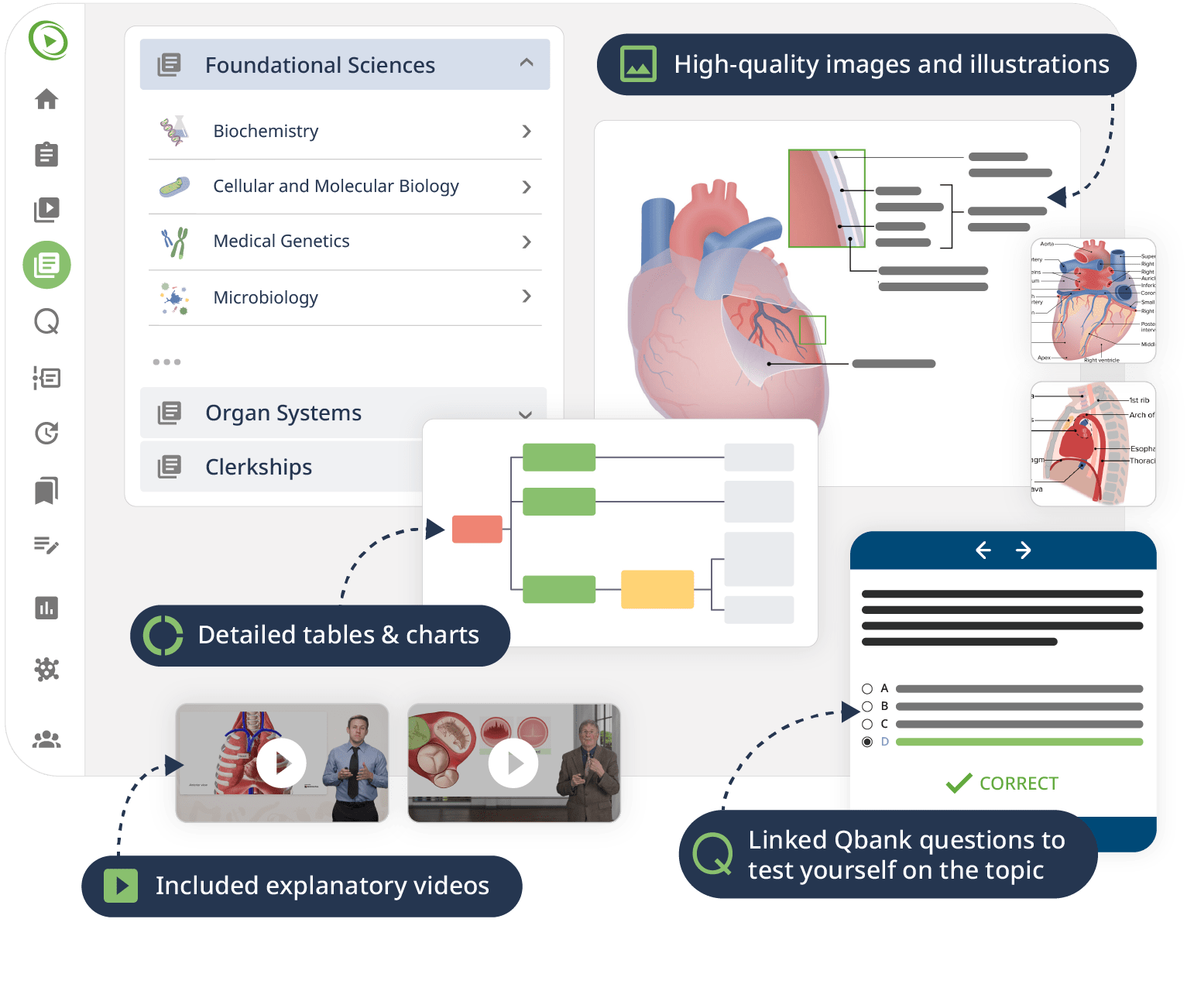
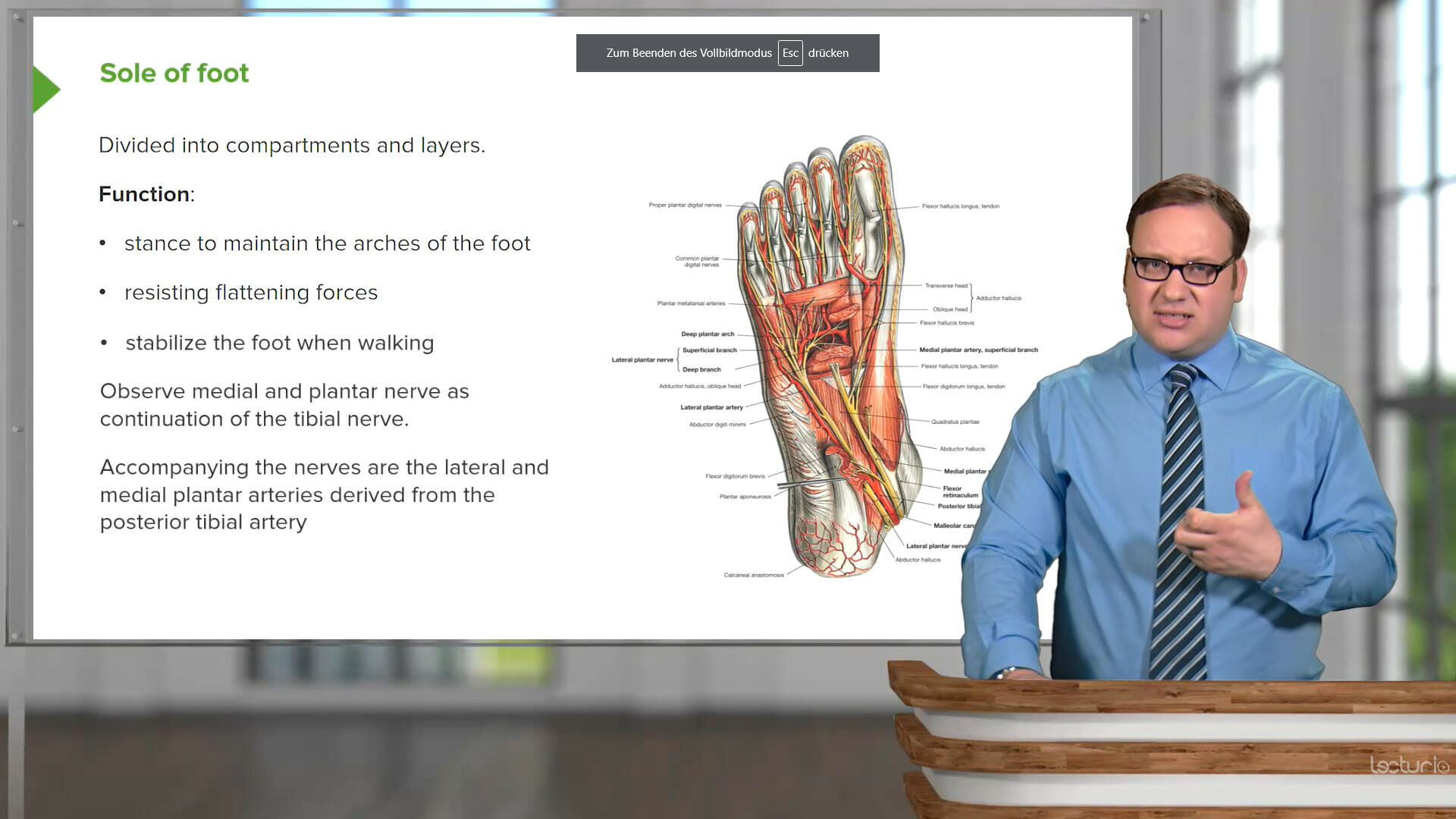
This course covers the most important infectious diseases affecting each body system, from common infections like influenza and UTIs to complex complications like infected central lines. Experienced educator Dr. John Fisher guides you through the epidemiology, etiology, management, and prevention of each disease. His real-world experience in combination with high-quality animations and illustrations will help you grasp the mechanisms of transmission and the signs and clinical courses of different infections.
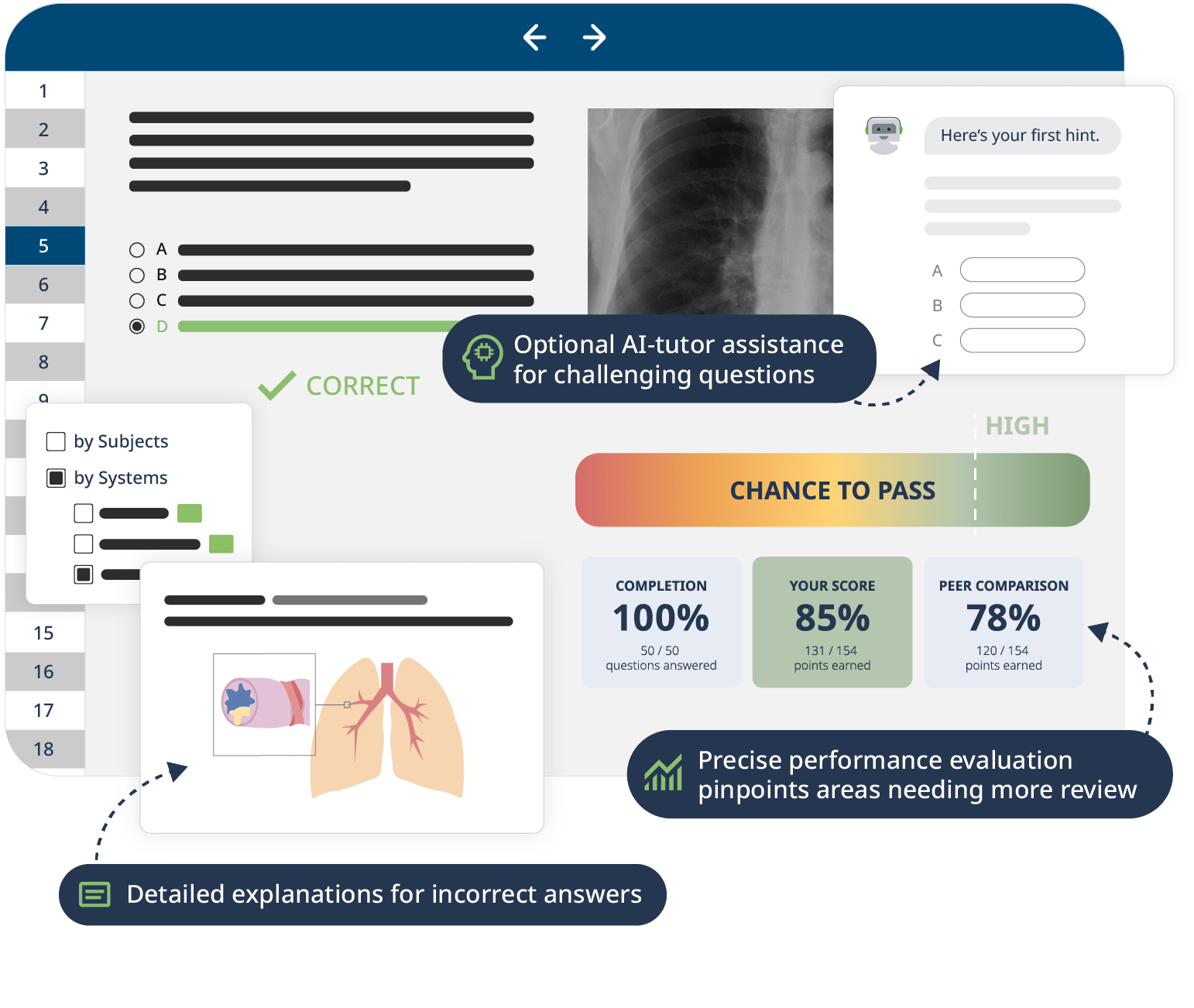
You will also learn how to carefully determine if antibiotic therapy is indicated to not exacerbate antimicrobial resistance. Recall quizzes after each video, downloadable study materials, and a USMLE-style Qbank support your learning by boosting retention and understanding.
By the end of this course, you will have a comprehensive understanding of the major infectious diseases, be confident in the diagnosis and management of infections, and be well prepared to apply treatment protocols and infection control measures in patient care.
“I want to help you help your future patients.”
– Dr. John Fisher